Santa Rosa Wilderness
Nat'l Recreation Area

Santa Rosa Wilderness

United States

Official sources & verification

Managed by National Recreation Area

Verify before you go

Source of truth

Managing agency

Verify by phone or mail

We display cached information from agency feeds. Hours, fees, permits, closures, fire restrictions, and conditions change without notice. Outdoors is not the permitting authority. Confirm current conditions for this park using the links above before you go — you are responsible for compliance. Last verified by us: May 20, 2026. Spot an error in our data?

About

Imported description
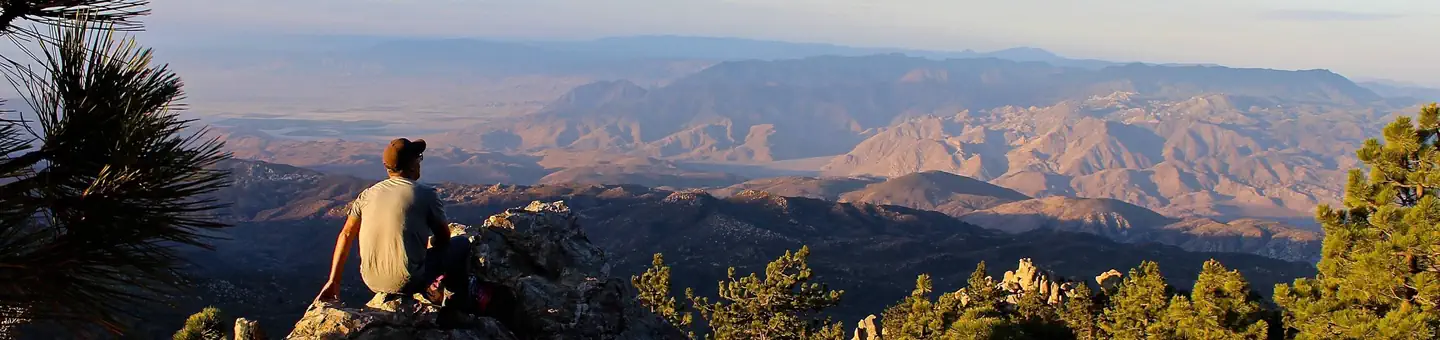
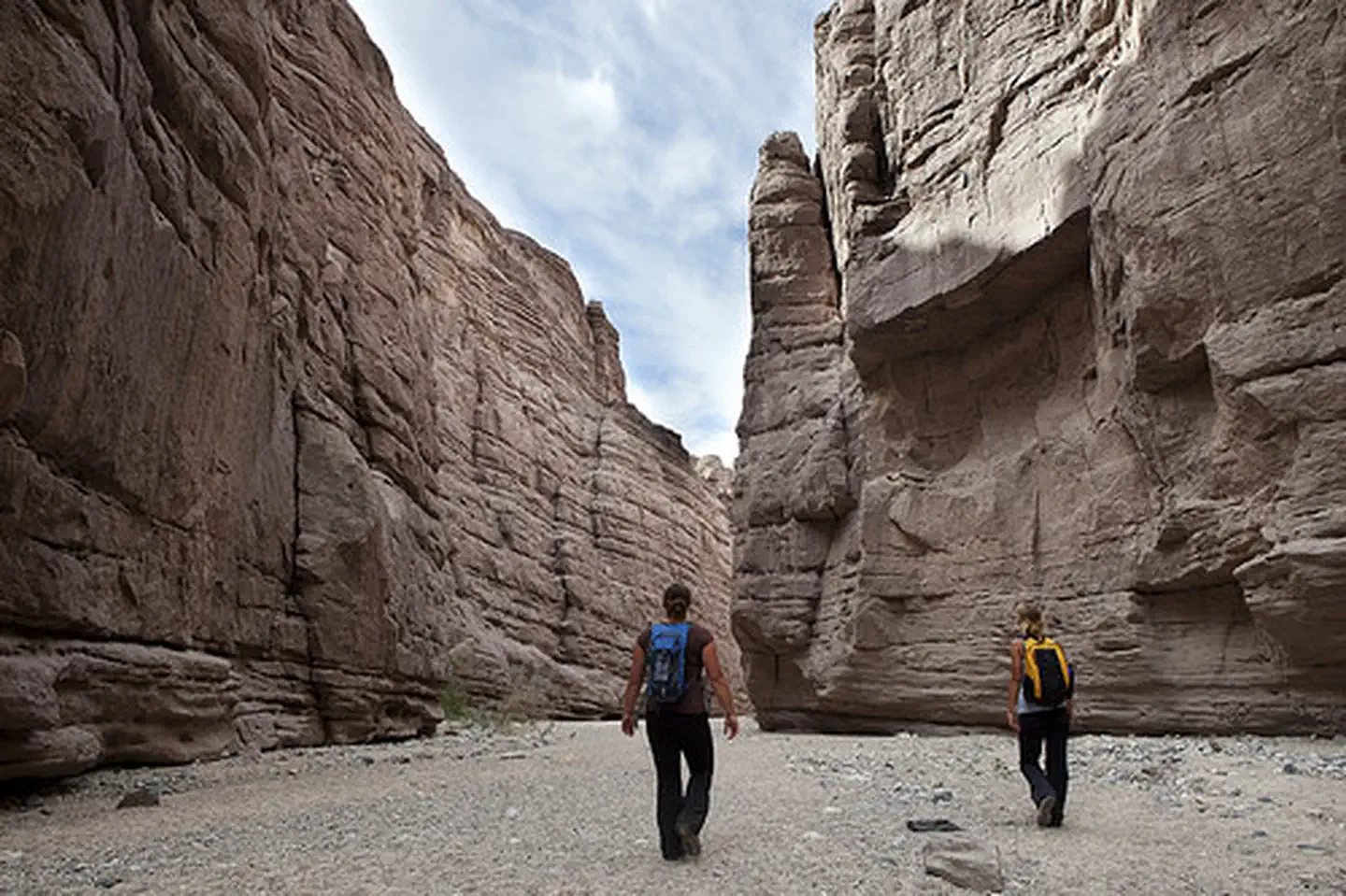
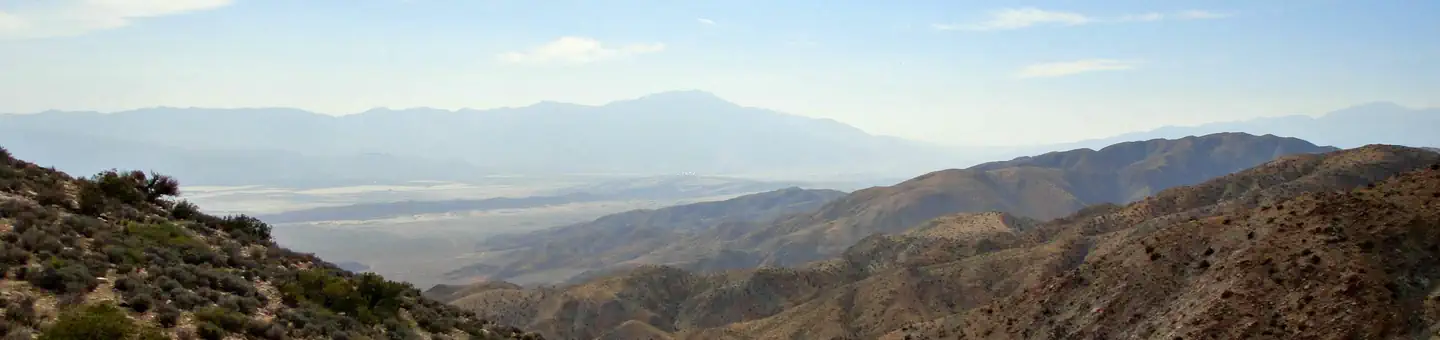
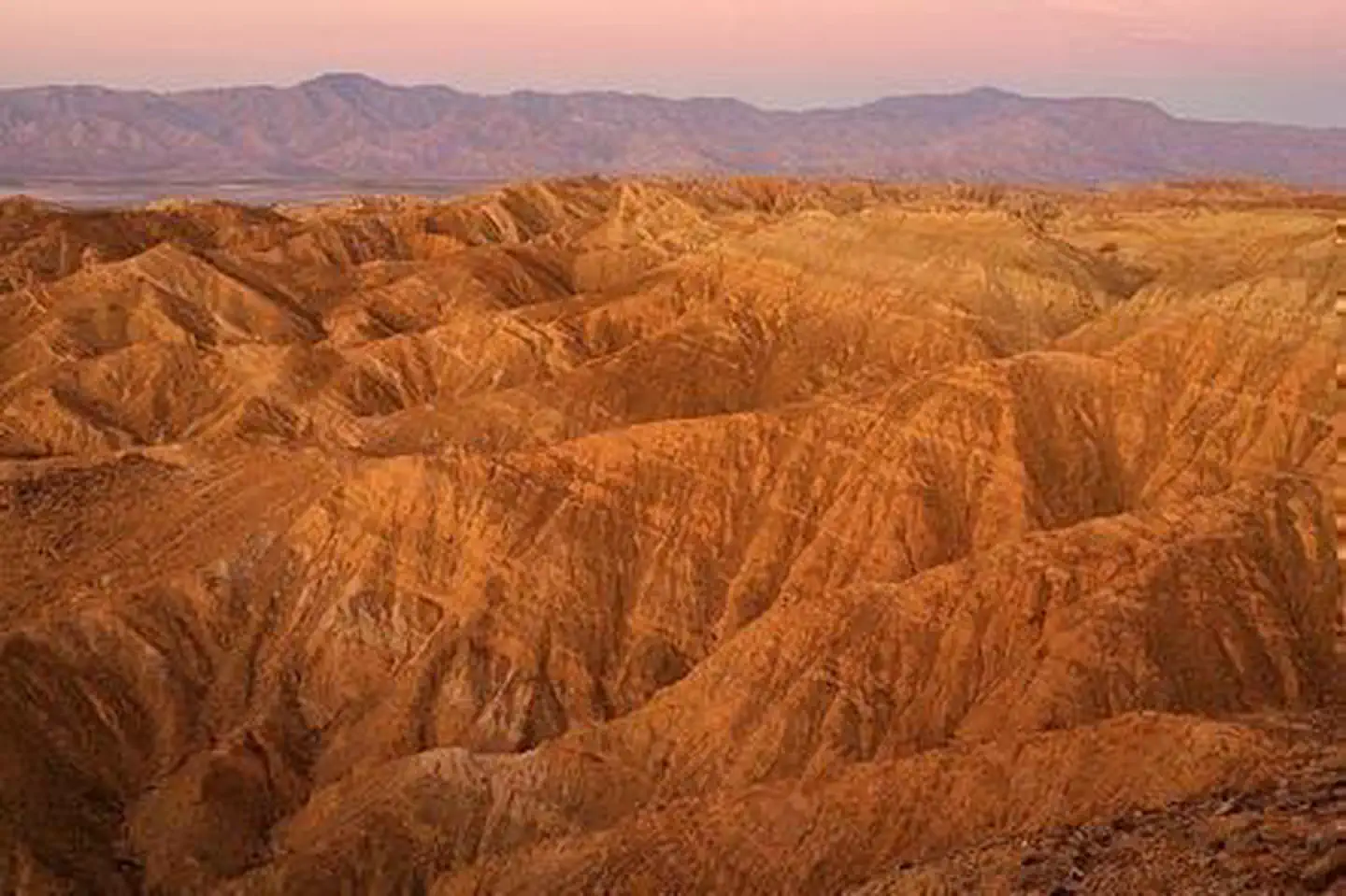
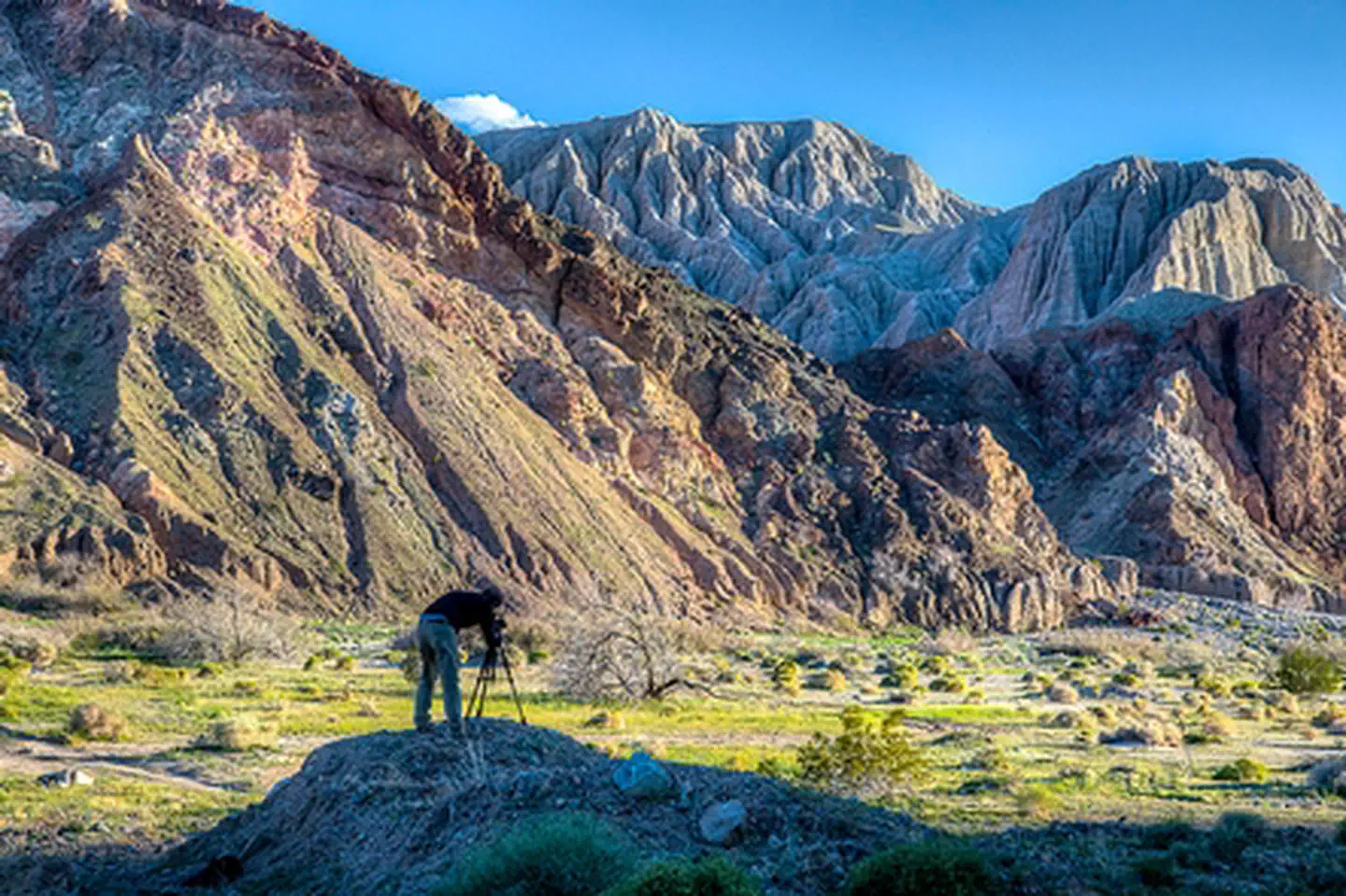
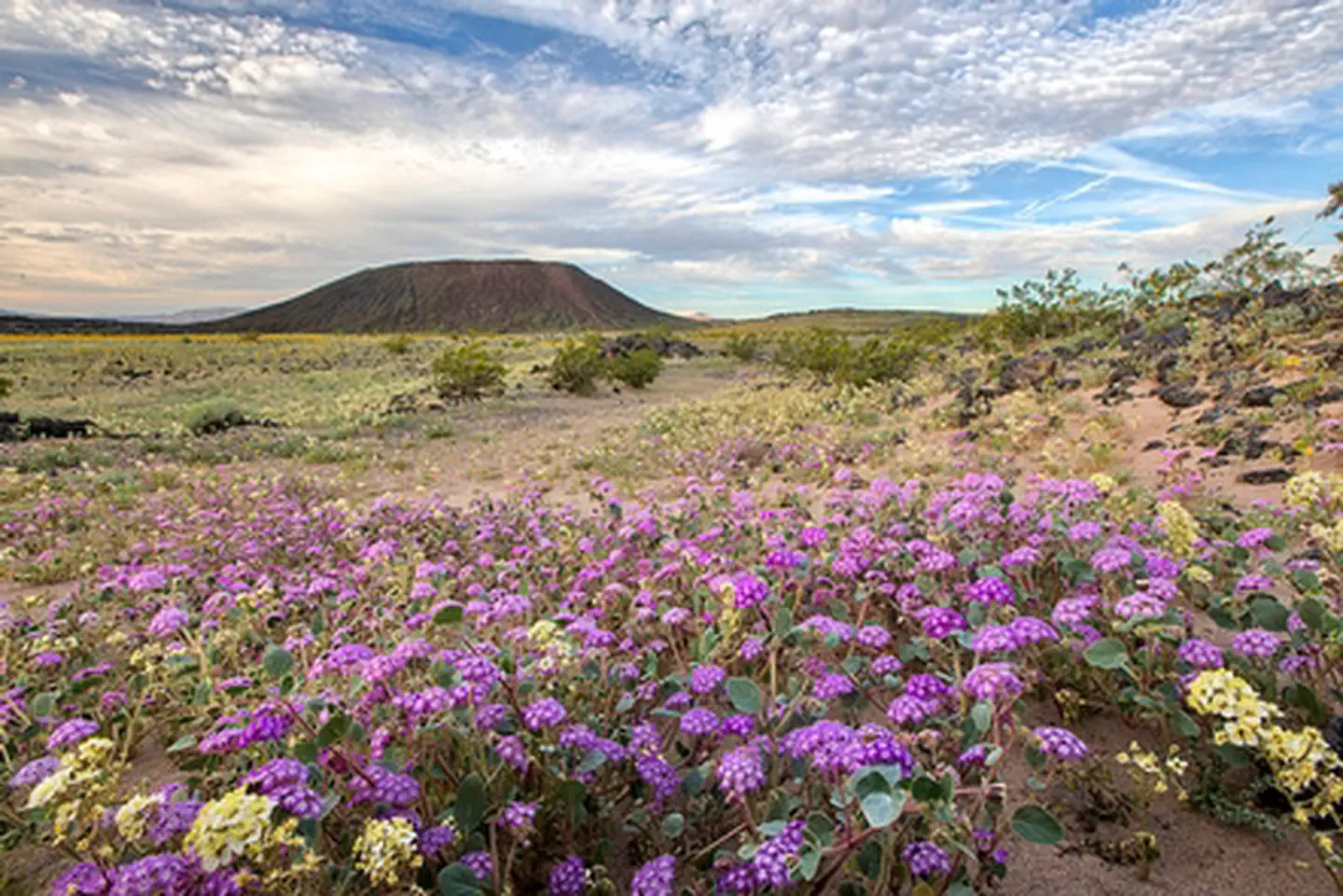
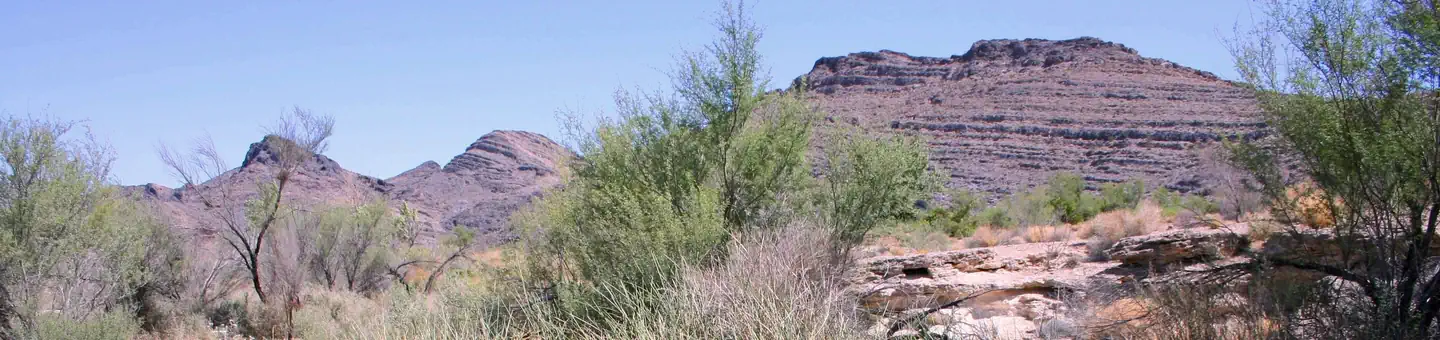
  Overview The terrain within the Santa Rosa Mountains Wilderness is rugged with elevations rising dramatically from just above sea level to 7,000 feet. Laced with deep washes and shallow drainages, the area supports a variety of riparian streams which flow year-round. Here, desert and mountain environments blend together to form unique plant habitats, which thrive in riparian oases. The Santa Rosas are strewn with boulders. The steep canyon walls have been eroded by springs and streams. Bear Creek Oasis, Lost Canyon Oasis, Guadelupe Canyon, Devil Canyon and Rockhouse Canyon are all found within this wilderness. Many of these areas provide important lambing habitat for bighorn sheep. The Santa Rosa Mountains support the largest herd of Peninsular bighorn sheep in the United States. Mule deer can be found throughout the coniferous forests, which grow along the higher elevations of the range. Great horned owls, prairie falcons and golden eagles nest and forage throughout the entire wilderness. Reptiles, including frogs, toads and the desert slender salamander also live in this desert setting. History  The Santa Rosa Mountains have been the homeland of hundreds of generations of Cahuilla, whose culture has been described and recorded in numerous publications. Direct evidence links the tribe to this area for at least 3,000 years. Within the Santa Rosas are sacred sites, such as the peak of the Santa Rosa Mountain and Tahquitz Peak, and landscape features which are of great importance to Cahuilla history. Within the mountain range, Cahulla villages were generally located in or near the mouth of a canyon or in a valley, and in some instances there were both summer and winter villages with the former being at higher elevations and the latter closer to the valley floor. A network of trails connect village sites, campsites, and other areas of importance. Cahuilla lived in the Santa Rosas until the late 19th century, by which time most Cahuilla had moved to nearby reservations or the Coachella Valley, and contemporary Cahuilla have strong feelings and concern for their ancestral homeland. he Santa Rosas have great heritage value to the Cahuilla and many sites are of National Register quality. The linked document contains descriptions of some of the more significant prehistoric and historic sites in the Santa Rosa Mountains.  

Source: recreation.gov

From Wikipedia

The Santa Rosa Wilderness is a 72,259-acre (292.42 km2) wilderness area in Southern California, in the Santa Rosa Mountains of Riverside and San Diego counties, California. It is in the Colorado Desert section of the Sonoran Desert, above the Coachella Valley and Lower Colorado River Valley regions in a Peninsular Range, between La Quinta to the north and Anza Borrego Desert State Park to the south. The United States Congress established the wilderness in 1984 with the passage of the California Wilderness Act, managed by both the US Forest Service and the Bureau of Land Management. In 2009, the Omnibus Public Land Management Act was signed into law which added more than 2,000 acres (8.1 km2). Most of the Santa Rosa Wilderness is within the Santa Rosa and San Jacinto Mountains National Monument.

Source: Wikipedia — text licensed CC BY-SA 4.0. Verify alerts and operational details with the managing agency below.

Reviews

No reviews yet

Be the first to share your experience and help others plan their visit.

Hunting in this park

Hunting is generally prohibited in this National Park Service unit

Verify current park-specific rules with the National Park Service before planning any hunt. See NPS regulations

Spot an error in our data on Santa Rosa Wilderness?