Photo: Andy Collins/NOAAPublic domainRecreation.gov
Official sources & verification
Managed by National Recreation Area
Source of truth
- Agency source page
The page our published rules and notes are derived from.
Managing agency
- National Recreation Area
Find offices, alerts, and current orders for this agency.
Verify by phone or mail
- Operator:808-397-2660
- Email:hawaiireef@noaa.gov
About
Park entrance fees, hours, and ranger-issued closures change without notice and may be out of date here. Always confirm current conditions, fees, and access restrictions with the managing agency before you travel. Outdoors is not responsible for closures, fines, or denied entry resulting from outdated information.
Source: recreation.gov
From Wikipedia
Source: Wikipedia — text licensed CC BY-SA 4.0. Verify alerts and operational details with the managing agency below.
Reviews
No reviews yet
Be the first to share your experience and help others plan their visit.
Hunting in this park
Hunting is generally prohibited in this National Park Service unit
Verify current park-specific rules with the National Park Service before planning any hunt. See NPS regulations
Within ~100 miles
Parks near Papahānaumokuākea Marine National Monument

Wailoa River State Recreation Area
Hawaii
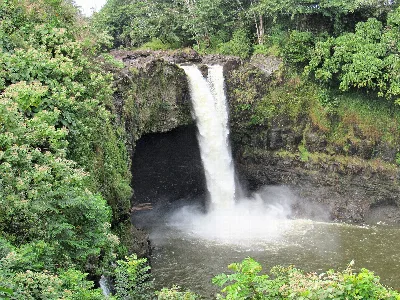
Wailuku River State Park
Hawaii
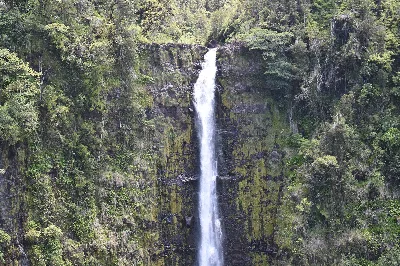
Akaka Falls State Park
Hawaii
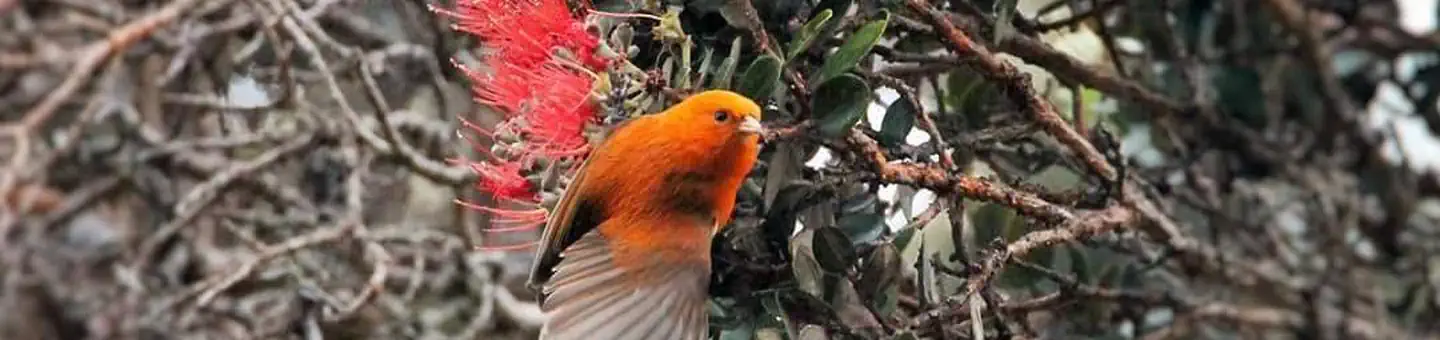
Hakalau Forest National Wildlife Refuge
Hawaii
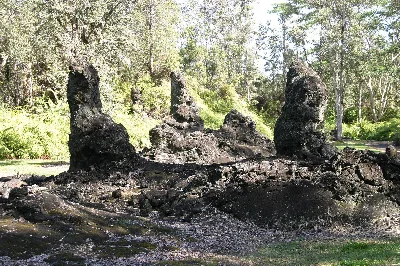
Lava Tree State Monument
Hawaii
Mackenzie State Recreation Area
Hawaii
Same state
More parks in Hawaii
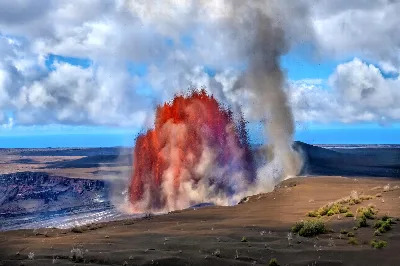
Hawaii Volcanoes National Park
Hawaii
Ahuikini State Recreation Pier
Hawaii
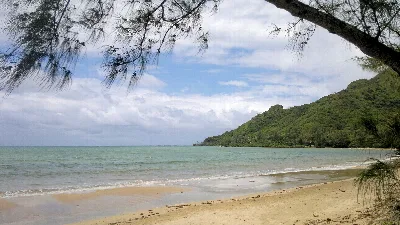
Ahupuaa O Kahana State Park
Hawaii
Aiea Bay State Recreation Area
Hawaii
Ala Kahakai National Historic Trail
Hawaii
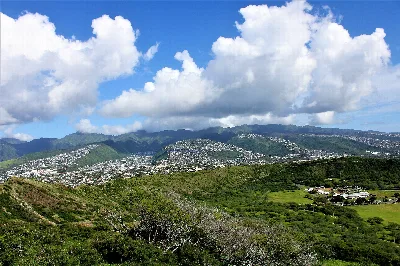
Diamond Head State Monument
Hawaii
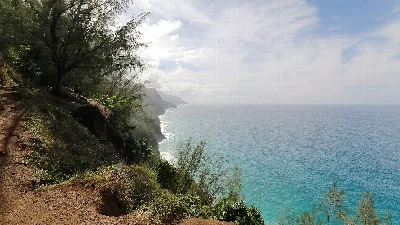
Haena State Park
Hawaii

Haleakalā National Park
Hawaii