Charles M. Russell National Wildlife Refuge
Nat'l Recreation Area

Charles M. Russell National Wildlife Refuge

United States

Official sources & verification

Managed by U.S. Fish & Wildlife Service

Verify before you go

Source of truth

Managing agency

Verify by phone or mail

We display cached information from agency feeds. Hours, fees, permits, closures, fire restrictions, and conditions change without notice. Outdoors is not the permitting authority. Confirm current conditions for this park using the links above before you go — you are responsible for compliance. Last verified by us: May 20, 2026. Spot an error in our data?

About

Imported description
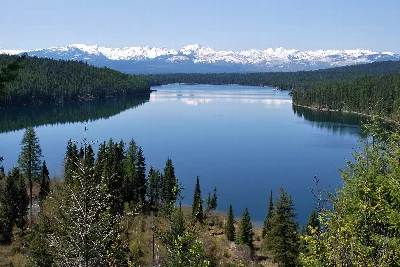
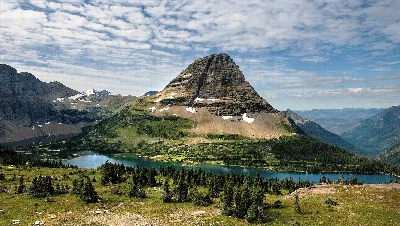
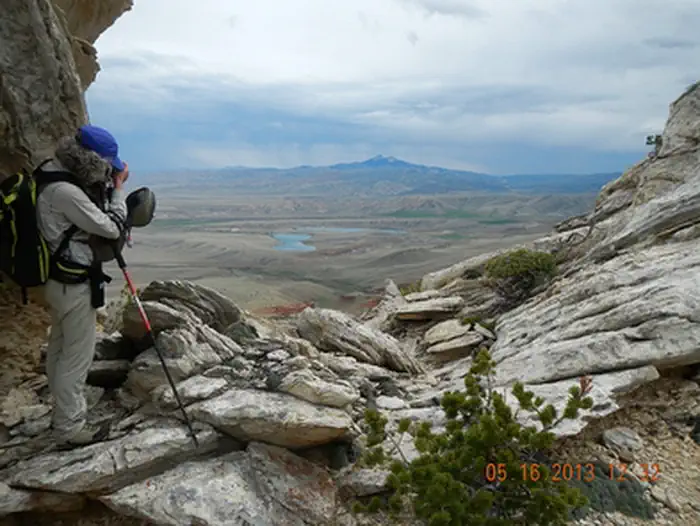
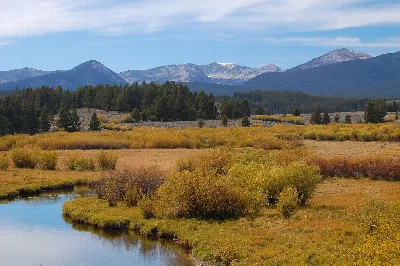
Together, Charles M. Russell National Wildlife Refuge and UL Bend National Wildlife Refuge encompass an area of 1.1 million acres that span about 125 air miles along the Missouri River, from the Fort Peck Dam west to the boundary with the Upper Missouri River Breaks National Monument. Located within the boundary of Charles M. Russell National Wildlife Refuge, UL Bend is, in essence, a refuge within a refuge. The U.S. Fish and Wildlife Service manages these refuges as one. Given the size and remoteness of Charles M. Russell National Wildlife Refuge, the area has changed very little from the historic voyage of the Lewis and Clark expedition, through the era of outlaws and homesteaders, to the present time. Elk, mule deer, pronghorn, bighorn sheep, sage and sharp-tailed grouse, and bald eagles make the refuge home. Over 175,00 acres of designated and proposed wilderness ensure wildlife and people have a chance to experience nature untrammeled and unconfined. Across the Refuge, visitors will find spectacular examples of native prairie, forested coulees, river bottoms, and "breaks" badlands so often portrayed in the paintings of the colorful artist for whom this refuge is named.Hunting and fishing opportunities abound on Charles M. Russell Refuge. Boating is popular on the Missouri River and Fort Peck Reservoir. Several recreational areas have been developed within the Refuge and excellent wildlife viewing and photography opportunities are found throughout the refuge. Each fall, hundreds of elk congregate in the Slippery Ann Wildlife Viewing Area, creating a spectacle not to be missed. Camping, hiking and horseback riding are permitted. On the east side of the Refuge, in the shadow of the Fort Peck Dam, lies the Fort Peck Interpretive Center, a cooperative effort between the U.S. Army Corps of Engineers and the U.S. Fish and Wildlife Service. Here, you can explore the wildlife of northeast Montana and the rich history of the Fort Peck area from dinosaurs to dam building.Charles M. Russell Refuge is managed by the U.S. Fish and Wildlife Service. The refuge is one of over 560 refuges in the National Wildlife Refuge System - a system of lands set aside to conserve wildlife and habitat for people today and generations to come. It is the second largest national wildlife refuge in the lower 48 states.

Source: recreation.gov

From Wikipedia

The Charles M. Russell National Wildlife Refuge is a National Wildlife Refuge in the U.S. state of Montana on the Missouri River. The refuge surrounds Fort Peck Reservoir and is 915,814 acres (3,706.17 km2) in size. It is the second-largest National Wildlife Refuge in the lower 48 states of the United States, and the largest in Montana. Created in 1936, it was originally called the Fort Peck Game Range. It was renamed in 1963 after Montana artist Charles M. Russell, a famous painter of the American West. In 1976, the "range" was made a "refuge".

Source: Wikipedia — text licensed CC BY-SA 4.0. Verify alerts and operational details with the managing agency below.

Reviews

No reviews yet

Be the first to share your experience and help others plan their visit.

Spot an error in our data on Charles M. Russell National Wildlife Refuge?