Park entrance fees, hours, and ranger-issued closures change without notice and may be out of date here. Always confirm current conditions, fees, and access restrictions with the managing agency before you travel. Outdoors is not responsible for closures, fines, or denied entry resulting from outdated information.
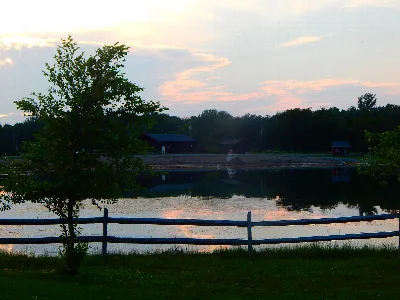
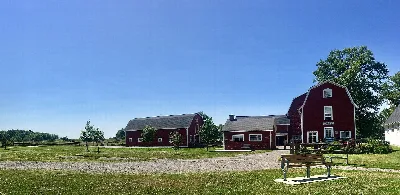
Our namesake comes from the Iroquois (Haudenosaunee) Confederacy, a powerful and enduring alliance that has thrived in the northeast for centuries. The Haudenosaunee Confederacy is composed of six nations: the Cayuga, Oneida, Mohawk, Seneca, Onondaga, and Tuscarora. These nations have a rich history, vibrant traditions, and a profound connection to the land, which is reflected in the names of many of our nature trails and overlooks.It is important to recognize that the culture of the Haudenosaunee people remains strong, their communities resilient, and their voices vital in preserving both their heritage and the environment we all share. We encourage visitors to take the time to learn about the Haudenosaunee’s deep cultural traditions, their contributions to the stewardship of the natural world, and their ongoing legacy. Exploring their history and culture not only honors their past but also helps us appreciate the enduring connection between people and the land.At the end of the last glacial period, much of Western New York was covered by Lake Tonawanda. Over time, the lake repeatedly drained and filled, leaving behind swampy areas that became rich habitats for wildlife.Centuries later, the Seneca people began modifying the land, draining swamps and clearing forests for farming. By the early 19th century, European settlers arrived and named the area “Oak Orchard Swamp,” inspired by clusters of oak trees that reminded them of orchards. Settlers further expanded drainage to support logging and farming, but the efforts were costly and often resulted in cycles of muck fires and floods.By the 1950s, landowners sought to convert the wetlands for development, threatening the loss of these vital habitats. In response, on May 19, 1958, the federal government established the Oak Orchard National Wildlife Refuge using funds from Migratory Bird Hunting and Conservation Stamps, or "Duck Stamps." To avoid confusion with the nearby Oak Orchard State Wildlife Management Area, the refuge was renamed Iroquois National Wildlife Refuge (NWR) in 1964.Managed by the U.S. Fish and Wildlife Service, Iroquois NWR is one of over 570 refuges in the National Wildlife Refuge System, the only federal land network dedicated to wildlife conservation who's mission is to work with others to conserve, protect, and enhance fish, wildlife, plants and their habitats for the continuing benefit of the American people. Established under the Migratory Bird Conservation Act, the refuge serves as an inviolate sanctuary for migratory birds and supports diverse species of wildlife.Encompassing 10,828 acres of forested wetlands, marshland, upland forests, grasslands, and shrublands, the refuge provides critical habitat for 266 bird species, 42 mammal species, and numerous reptiles, fish, amphibians, and insects. Iroquois NWR is also one of New York’s first designated Important Bird Areas (IBA) due to its exceptional bird diversity, particularly in its wetlands.Providing high-quality freshwater wetland migration stopover and breeding habitats.Maintaining the health and integrity of Oak Orchard Creek and its floodplain.Supporting a diverse mix of grassland, shrubland, and upland forest habitats.Offering exceptional recreational, educational, and interpretive opportunities, including hunting and fishing programs.Strengthening partnerships with local communities and organizations.Iroquois National Wildlife Refuge, known locally as part of the "Alabama Swamps", will be the ecological "puzzle piece" for Western New York by creating and maintaining unsurpassed habitats for migratory birds and other wildlife. By encouraging compatible wildlife dependent recreation and working with partners, a deep understanding and appreciation for the refuge's ecological integrity will be fostered in its visitors, regardless of generational, economic, or social boundaries. Through these efforts, future generations will cherish Iroquois National Wildlife Refuge's interconnectivity to the much larger National Wildlife Refuge System.
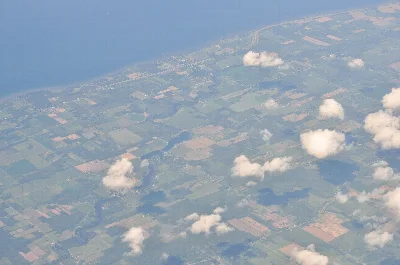
The Iroquois National Wildlife Refuge is a wildlife refuge in Genesee and Orleans counties in western New York. The refuge is located between the cities of Buffalo and Rochester and is operated by the United States Fish and Wildlife Service.
Source: Wikipedia — text licensed CC BY-SA 4.0. Verify alerts and operational details with the managing agency below.
Reviews
No reviews yet
Be the first to share your experience and help others plan their visit.