Park entrance fees, hours, and ranger-issued closures change without notice and may be out of date here. Always confirm current conditions, fees, and access restrictions with the managing agency before you travel. Outdoors is not responsible for closures, fines, or denied entry resulting from outdated information.
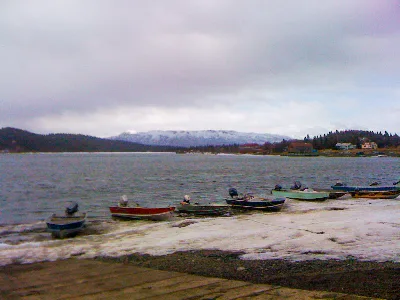
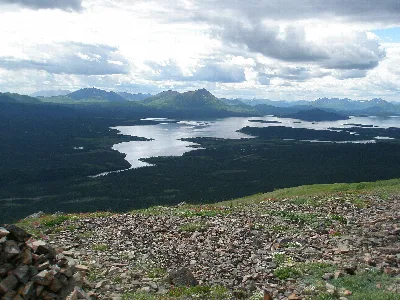
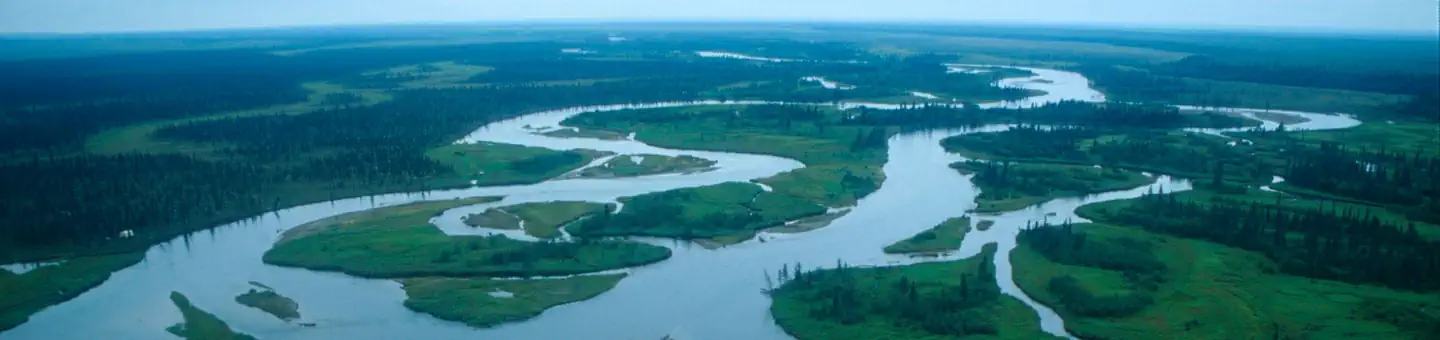
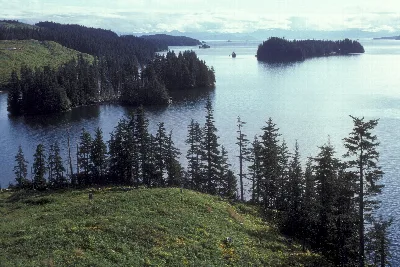
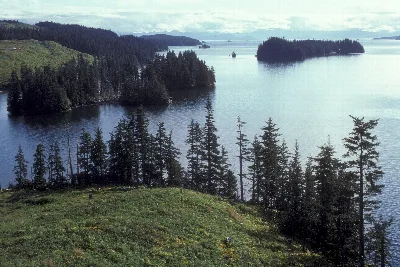
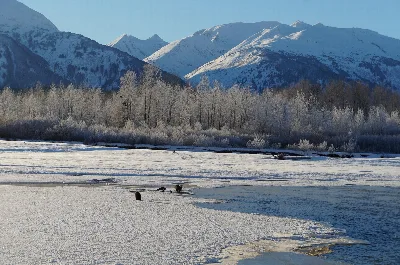
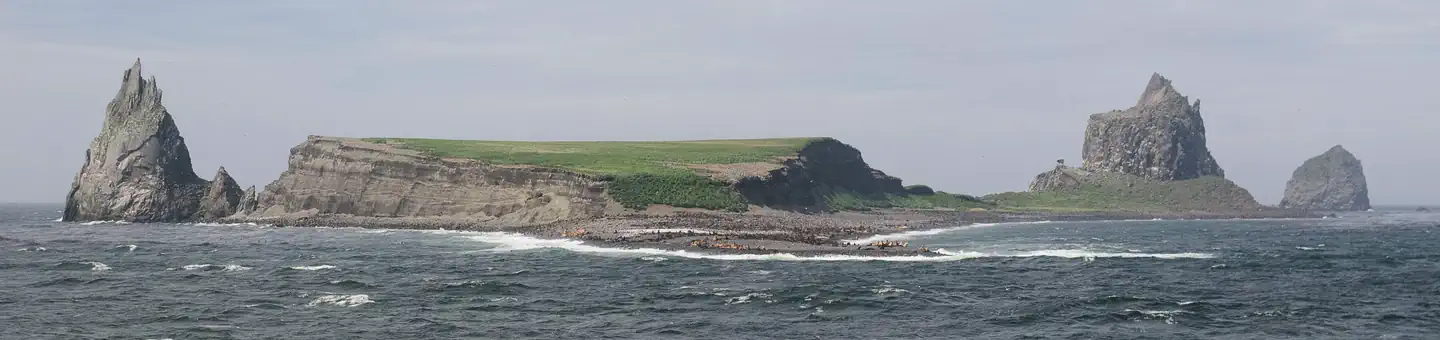
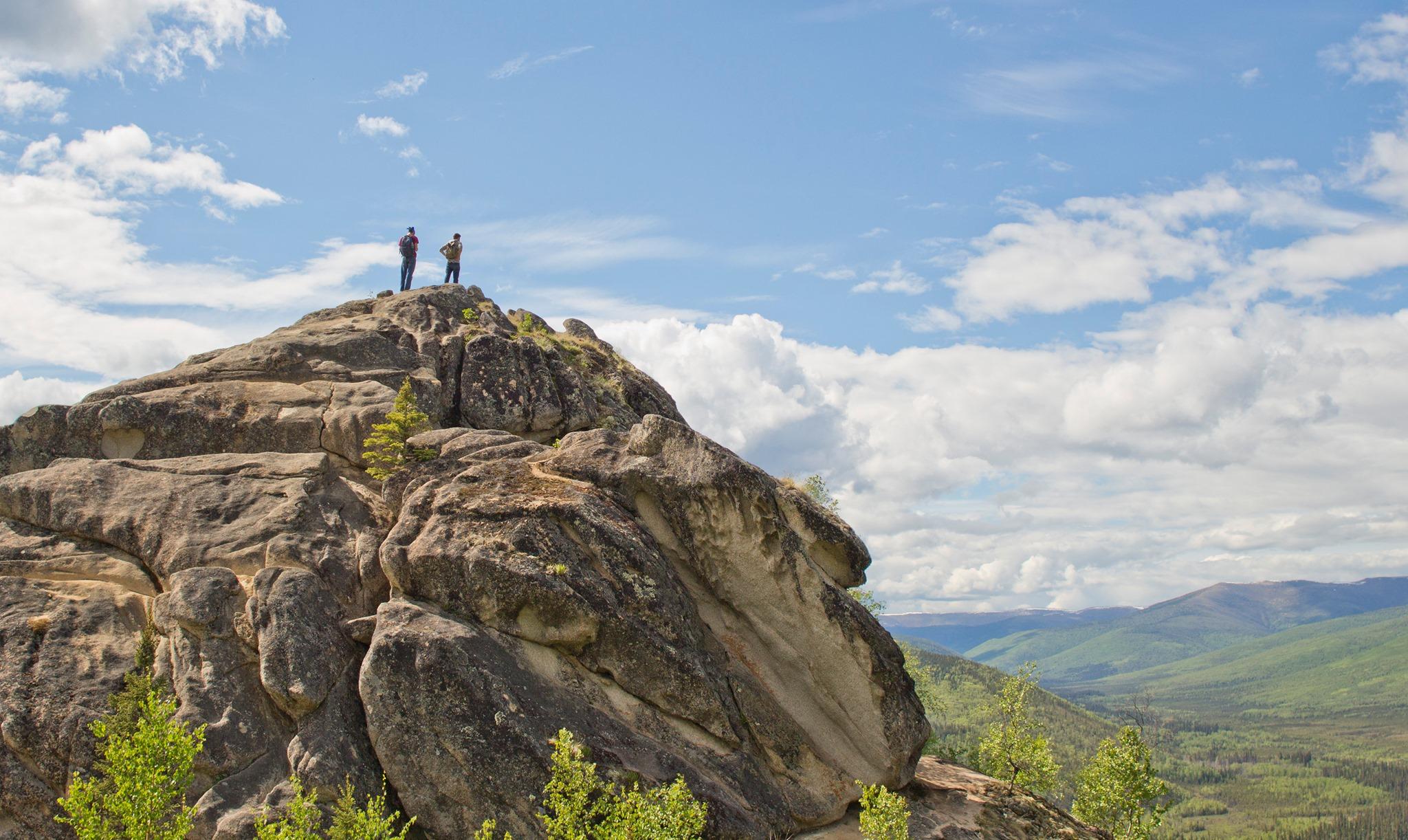
Togiak National Wildlife Refuge was established on February 11, 1980, but is part of a much larger region that has its own special history. Much of the Refuge's character is defined by Yup'ik peoples past and present, Russian trappers, and later settlers whose descendants still live throughout the region and depend upon the refuge for their livelihoods. The refuge encompasses mountain crags, fast-flowing rivers, deep lakes, tundra, marshy lowlands, ponds, estuaries, coastal lagoons, and sea cliffs. The Ahklun Mountains spread across 80 percent of the refuge and their broad glacial valleys cut the tundra uplands and follow the rivers downstream to the coast. From the 5,026-foot Mount Waskey to the broad coastal plains of the Kanektok and Arolik rivers, the Refuge is remarkable in its diversity of terrain, scenery, and wildlife. Perhaps the most important value of the refuge is the amount and quality of fish habitat. Several large river and lake systems located within the Refuge provide spawning and rearing habitat each year for millions of salmon. These salmon runs are crucial to ecological processes, Yup'ik peoples and local residents, and the local economy. Fish provide subsistence, as well as recreational fishing opportunities found few other places in the world. Established in 1980, the Togiak Wilderness covers about half of the refuge at nearly 2.3 million acres (the second largest managed by the U.S. Fish and Wildlife Service). The wilderness area includes pristine rivers, clear mountain lakes, and steep-sloped mountains. The rugged Ahklun and Wood River Mountains, partly within the wilderness area, are noteworthy for their scenic values.The Kanektok, Goodnews, and Togiak rivers have important subsistence and sport fishery values, containing Pacific salmon, Dolly Varden, and rainbow trout among other species. The rivers are free flowing are important for subsistence uses and possess excellent scenic, wildlife, riparian, and recreational values, especially sport fishing. Parts of all three drainages are in the Togiak Wilderness. Cape Peirce and Cape Newenham are unique and special places within the Refuge as well. Cape Peirce represents one of the few coastal areas in the United States where Pacific walrus consistently haul out. These areas also provide nesting habitat for some of the largest mainland-nesting seabird colonies in Alaska and continue to provide important habitat for a variety of shorebirds, waterfowl, and other wildlife. Chagvan and Nanvak bays provide important staging and feeding habitat for many migrating waterfowl, seabirds, shorebirds, anadromous fish, and marine mammals. The State of Alaska has designated Chagvan Bay as a State Game Refuge
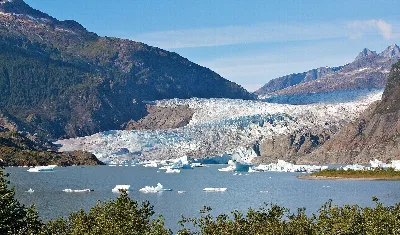
Togiak National Wildlife Refuge is in the Dillingham and Bethel Census Areas, Alaska. It is dominated by the Ahklun Mountains in the north and the cold waters of Bristol Bay to the south. The natural forces that have shaped this land range from the violent and powerful to the geologically patient. Earthquakes and volcanoes filled the former role, and their marks can still be found, but it was the gradual advance and retreat of glacial ice that carved many of the physical features of this refuge.
Source: Wikipedia — text licensed CC BY-SA 4.0. Verify alerts and operational details with the managing agency below.
Reviews
No reviews yet
Be the first to share your experience and help others plan their visit.