Park entrance fees, hours, and ranger-issued closures change without notice and may be out of date here. Always confirm current conditions, fees, and access restrictions with the managing agency before you travel. Outdoors is not responsible for closures, fines, or denied entry resulting from outdated information.
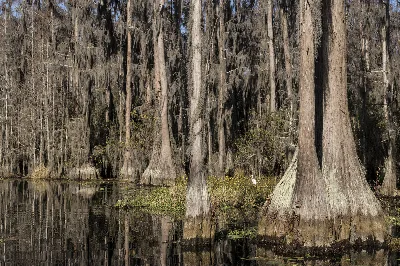
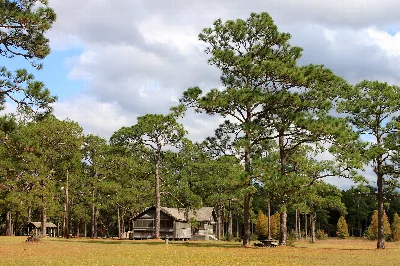
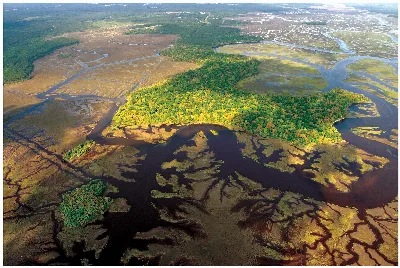
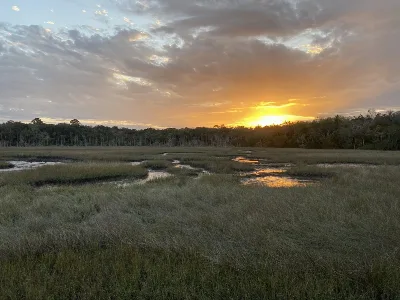
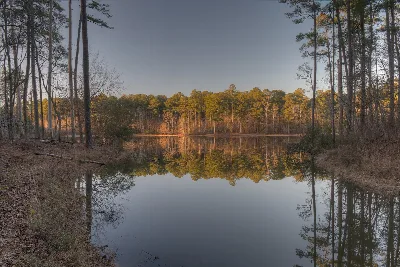
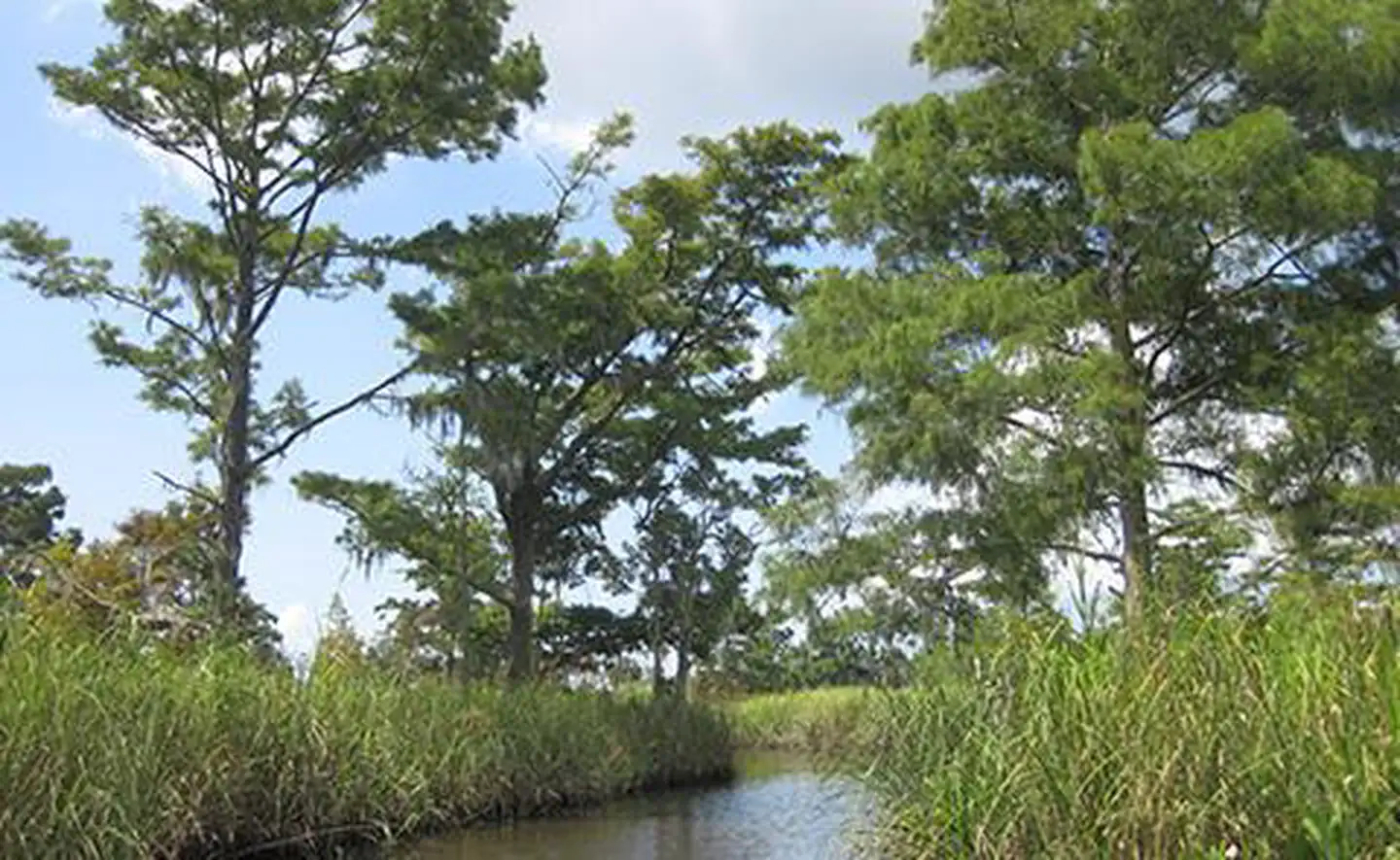
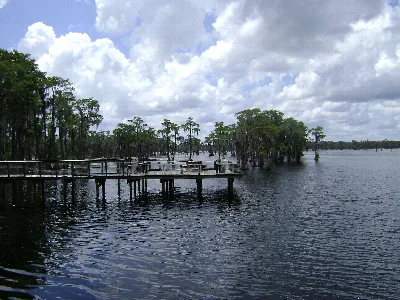
The Okefenokee National Wildlife Refuge was established in 1937 as a "refuge and breeding ground for migratory birds and other wildlife.” The refuge conserves the unique features of the Okefenokee Swamp,the headwaters of the Suwannee and St. Marys rivers. The swamp provides habitat for threatened and endangered species, such as red-cockaded woodpeckers, wood storks, indigo snakes, and a wide variety of other wildlife species. It is world renowned for its amphibian populations that are bio-indicators of global health. More than 600 plant species have been identified on refuge lands. Today, the refuge is approximately 407,000 acres and is the largest National Wildlife Refuge east of the Mississippi River. In addition, the refuge is a Wetland of International Importance (RAMSAR Convention – 1971) because it is one of the world’s largest intact freshwater ecosystems. Nearly 359,000 acres of Okefenokee National Wildlife Refuge are assigned as Congressionally-designated wilderness. The legislation that created the Okefenokee National Wildlife Refuge wilderness area (353,981 acres) grandfathered in historic uses such as fishing and the use of motorboats up to ten horsepower. It also required the USFWS to maintain four access areas and up to 120 miles of trails. A small number of National Wilderness Areas have additional protection as Class I Air Sheds under the 1990 Clean Air Act. Okefenokee is one of only 21 refuges across the country with this additional designation. Historically, the Okefenokee was the indigenous homeland of the Deptford and Swift Creek Cultures, Weeden Island Culture, Cord-Marked Culture, Timucuan people, and the Seminoles. The Okefenokee Wilderness was designated in 1974 and has a total of 353,981 acres. The Okefenokee Wilderness is managed to restore, preserve, and protect the primeval character and natural processes of the designated lands, leaving it untrammeled by man while providing recreational solitude, education, scientific study, conservation ethics, and scenic vistas.Okefenokee National Wildlife Refuge and Okefenokee Wilderness encompasses the best-preserved precipitation-based freshwater wetland ecosystem in the conterminous U.S. and the largest in the Northern Hemisphere’s subtropical zone. It is the last-standing large, naturally driven freshwater wetland in the eastern U.S. The resiliency of its diverse habitats from open lakes, marshes, scrub-shrub, cypress and hardwood forests, to pine islands resembling pristine conditions stands out in one of the highly populated and developed temperate/subtropical regions of the world. Designated as a Wilderness Area, management strives to allow ecological processes to govern in order to sustain the ecosystem services it has provided for centuries.Learn more about the Okefenokee Wilderness
The Okefenokee National Wildlife Refuge is a 402,000‑acre (1,627 km2) National Wildlife Refuge located in Charlton, Ware, and Clinch Counties of Georgia, and Baker County in Florida, United States. The refuge is administered from offices in Folkston, Georgia. The refuge was established in 1937 to protect a majority of the 438,000 acres (1,770 km2) in the Okefenokee Swamp. The name "Okefenokee", often translated as "land of trembling earth", is likely derived from Hitchiti oki fanôːki.
Source: Wikipedia — text licensed CC BY-SA 4.0. Verify alerts and operational details with the managing agency below.
Reviews
No reviews yet
Be the first to share your experience and help others plan their visit.