Park entrance fees, hours, and ranger-issued closures change without notice and may be out of date here. Always confirm current conditions, fees, and access restrictions with the managing agency before you travel. Outdoors is not responsible for closures, fines, or denied entry resulting from outdated information.
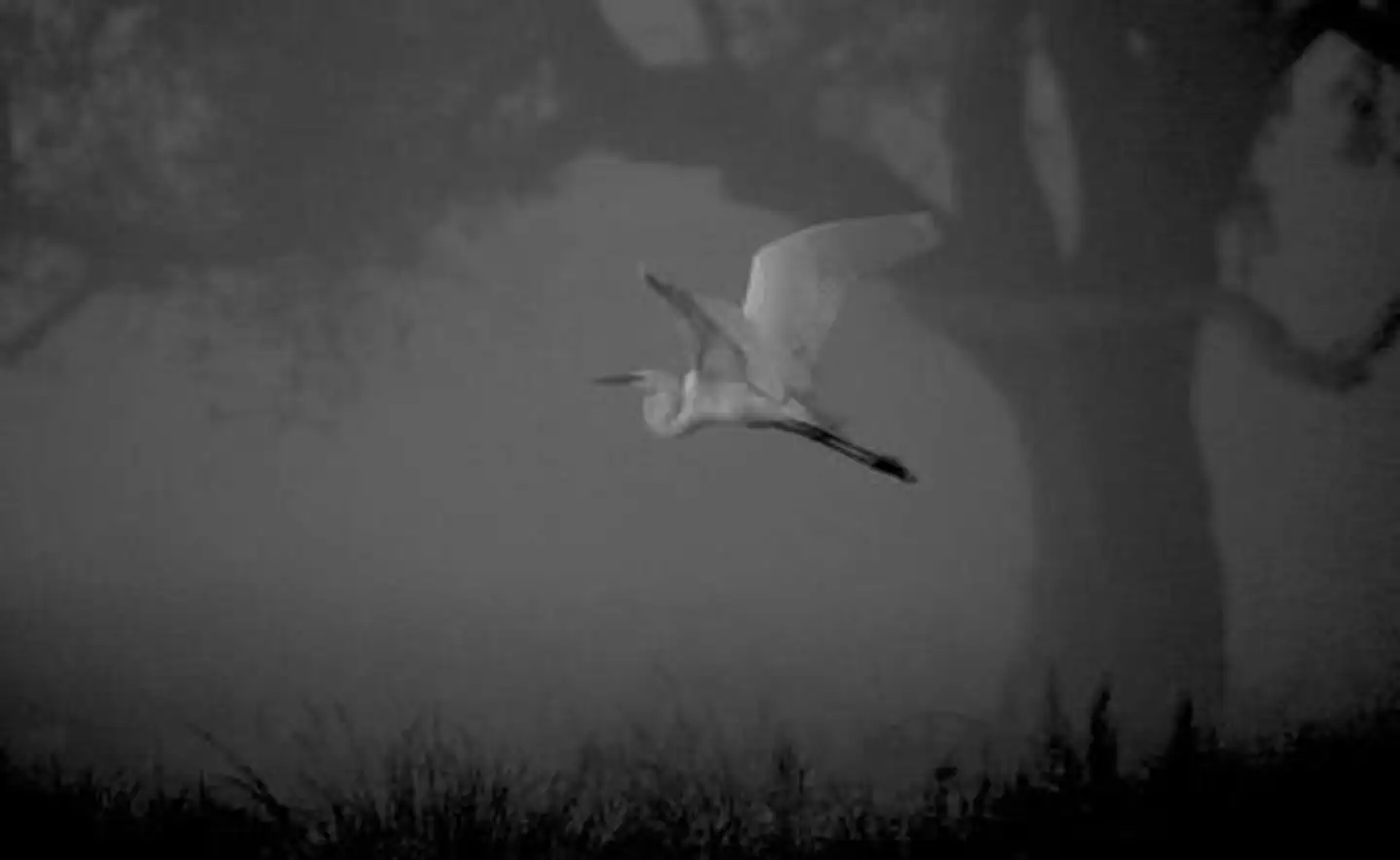
Established in 1966 as an “overlay project” on an U.S. Corps of Engineers flood control reservoir, Flint Hills National Wildlife Refuge's 18,463 acres incorporate a diverse variety of habitat including wetlands, bottomland hardwood forests, grasslands, river riparian areas, and agricultural lands. Located in east central Kansas, Flint Hills National Wildlife Refuge lies in the broad, flat, Neosho River Valley. The Refuge is located in the tallgrass prairie region of the country and is named for the gently rolling, fossil-studded hills found to the west of the Refuge. These hills were laid down when seas blanketed the area 250 million years. he Neosho and Cottonwood Rivers provide most of the water for the Refuge, which is located at the upstream end of John Redmond Reservoir. Historically, the Neosho River floodplain was covered with hundreds of shallow wetlands in the springtime. As spring progressed into summer, these wetlands dried, producing (“moist soil”) plants to grow. Rain fills the wetlands and in turn the wetlands provide both food and shelter to migrating waterfowl. Most of these natural wetlands have been lost throughout the river floodplain because of agriculture and other developments. To mimic the natural wet and dry cycles on the Refuge, the staff actively mange over 2,000 acres of restored wetland habitat through the use of pumps, levees, and water control structures.Three types of tallgrass prairie habitats can be found on the Refuge- cordgrass prairie, upland prairie, and savanna. Cordgrass prairie is found in low, wet areas and is composed mainly of prairie cordgrass, buttonbush, eastern grama grass, and common ironweed. Upland prairie occurs on drier sites above the flood plain and contains many well-know tallgrass prairie plants, including big bluestem, indiangrass, switchgrass, and a large variety of wildflower species. Savanna habitat is a mixture of widely scattered trees, prairie grasses, and wildflowers.Woodlands are confined primarily to areas along the Neosho River and its tributaries, commonly referred to as riparian areas. You might find bur oak, pecan, black walnut, American elm, hackberry, green ash, and Kentucky coffeetree in these riparian areas.Riparian areas provide water and shelter for wildlife, including bobcats, white-tailed deer, pileated woodpeckers, wild turkeys, and many species of warblers. To protect the riparian areas along the Neosho River, the Refuge staff work closely with Refuge farmers to reduce soil run-off into the river.
Flint Hills National Wildlife Refuge (NWR) is a wildlife refuge located north and east of the city of Hartford, Kansas, United States, in northwestern Coffey and southeastern Lyon Counties. It was established in 1966 as part of the U.S. Army Corps of Engineers, John Redmond Reservoir flood control project. The U.S. Fish and Wildlife Service manages 18,463 acres (75 km2) upstream of the reservoir, most of which is in the floodplain of the Neosho River. Refuge habitats, consisting of prairie grasslands, bottomland hardwood timber, shallow wetlands, and croplands, are managed to provide food and habitat for migratory birds and resident wildlife.
Source: Wikipedia — text licensed CC BY-SA 4.0. Verify alerts and operational details with the managing agency below.
Reviews
No reviews yet
Be the first to share your experience and help others plan their visit.