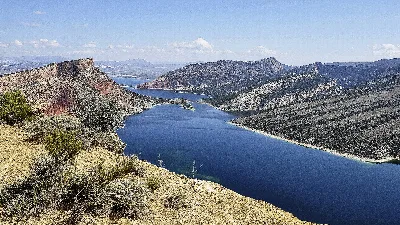
Bear River Migratory Bird Refuge
Nat'l Recreation Area

Bear River Migratory Bird Refuge

United States

Official sources & verification

Managed by National Recreation Area

Verify before you go

Source of truth

Managing agency

Verify by phone or mail

We display cached information from agency feeds. Hours, fees, permits, closures, fire restrictions, and conditions change without notice. Outdoors is not the permitting authority. Confirm current conditions for this park using the links above before you go — you are responsible for compliance. Last verified by us: May 20, 2026. Spot an error in our data?

About

Imported description
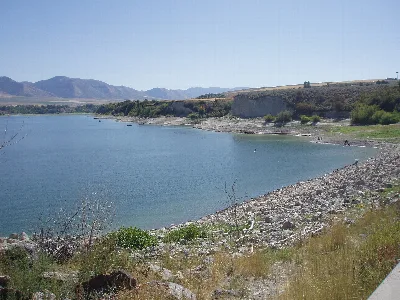
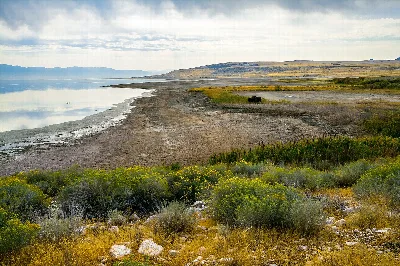
Each unit of the National Wildlife Refuge System is established to serve a statutory purpose that targets the conservation of native species dependent on its lands and waters. All activities on those acres are reviewed for compatibility with this statutory purpose.Established in 1928 by Congress (Public Law 304) and the initial boundaries designated by Presidential Proclamation (2011) in 1932, Bear River Migratory Bird Refuge was one of the first Refuge's to join a system of lands now encompassing over 560 Refuge's in the National Wildlife Refuge System - a network of lands set aside and managed by the U.S. Fish & Wildlife Service specifically for wildlife. The Refuge and other wetlands associated with the Great Salt Lake provide critical habitat for migrating birds, over 250 species moving through this area annually by the millions to rest and feed.  As part of the Bear River Bay, the Refuge is designated as a Western Hemisphere Shorebird Reserve Network site, a globally important shorebird area.The Refuge lies along the eastern edge of the Pacific Flyway and the western edge of the Central Flyway, making it an important resting, feeding, and nesting area for birds in both flyways. Of more than 250 bird species that use the Refuge, 67 species nest on the Refuge.  American avocets and black-necked stilts nest by the thousands along Refuge dikes and roads. White-faced ibis nest in dense emergent vegetation in large colonies of up to 10,000 birds. Migrant tundra swans can number in the tens of thousands in the spring and fall.  The Refuge uses a complex system of dikes and water control structures to provide different water depths for a variety of waterbird species over the seasons.On the ancestral homelands of the Shoshone, Paiute, Bannock, and Ute people, known as the Newe or Meme (the People), the Refuge lands and waters support diverse plant and animal species in a mosaic of mudflats, river deltas, brackish and freshwater marshes, temporary ponds, and uplands. Refuge uplands have scattered knolls that form a unique ecological community in the Bear River delta.Today, Bear River Migratory Bird Refuge contains nearly 80,000 acres of marsh, open water, uplands, and alkali mudflats. The marshes and open water are managed using a complex system of dikes and water control structures to provide a variety of water depths suitable for the needs of different waterbird species. The Refuge is an excellent place to observe wildlife along a 12-mile Auto Tour Route, as well as enjoying hunting, fishing, and wildlife photography. 

Source: recreation.gov

From Wikipedia

Bear River Migratory Bird Refuge is a 74,000-acre (299 km2) National Wildlife Refuge in Utah, established in 1928. The refuge is part of a national system of fee ownership lands purchased from willing sellers, mostly private property owners.

Source: Wikipedia — text licensed CC BY-SA 4.0. Verify alerts and operational details with the managing agency below.

Reviews

No reviews yet

Be the first to share your experience and help others plan their visit.

Hunting in this park

Hunting is generally prohibited in this National Park Service unit

Verify current park-specific rules with the National Park Service before planning any hunt. See NPS regulations

Spot an error in our data on Bear River Migratory Bird Refuge?