1 / 6
+1
Nat'l Recreation Area
Official sources & verification
Managed by Bureau of Land Management
Source of truth
- Agency source page
The page our published rules and notes are derived from.
Managing agency
- Bureau of Land Management
Find offices, alerts, and current orders for this agency.
Verify by phone or mail
- Operator:928-718-3700
- Email:BLM_AZ_KFOWEB@blm.gov
- Address:AZ
About
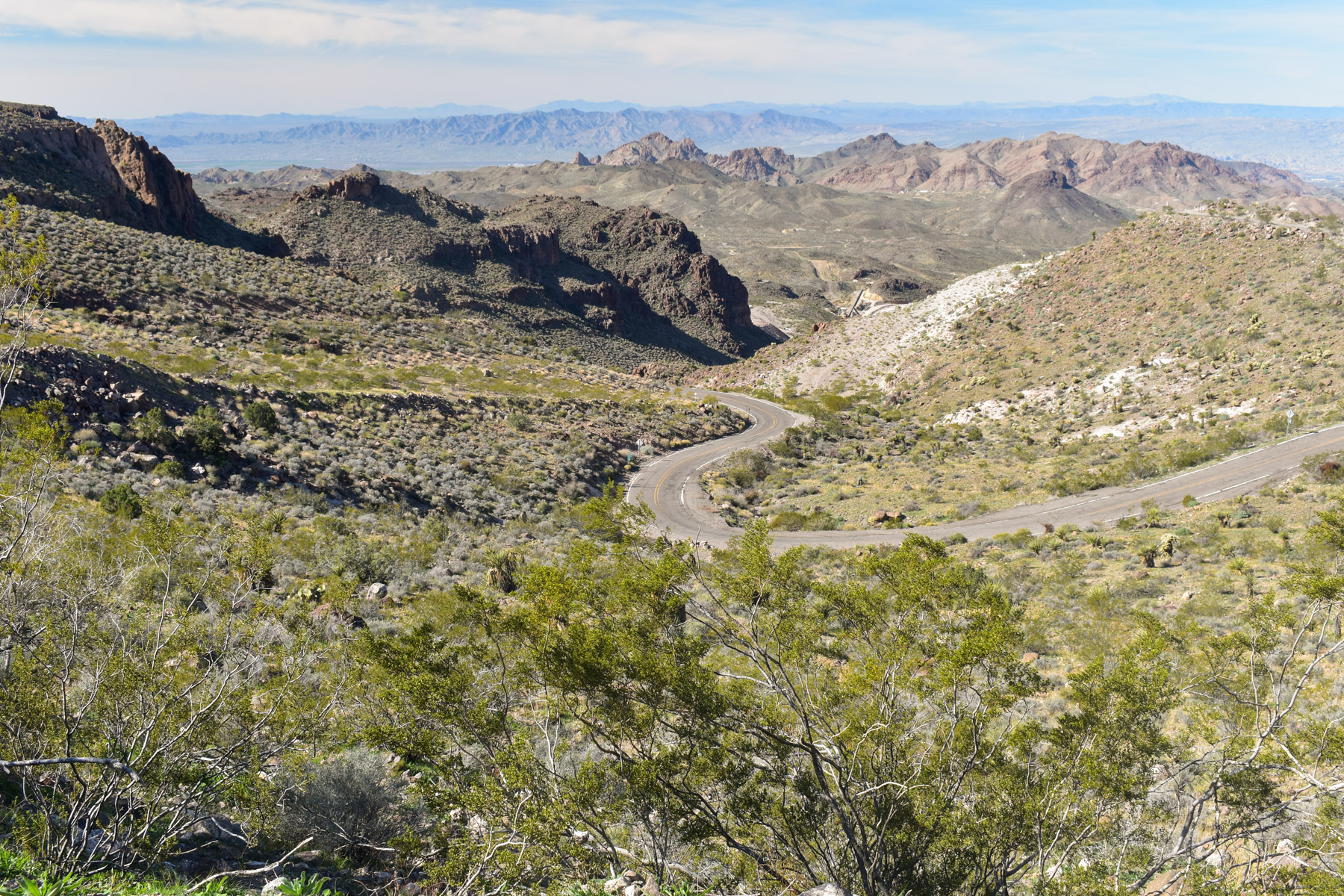
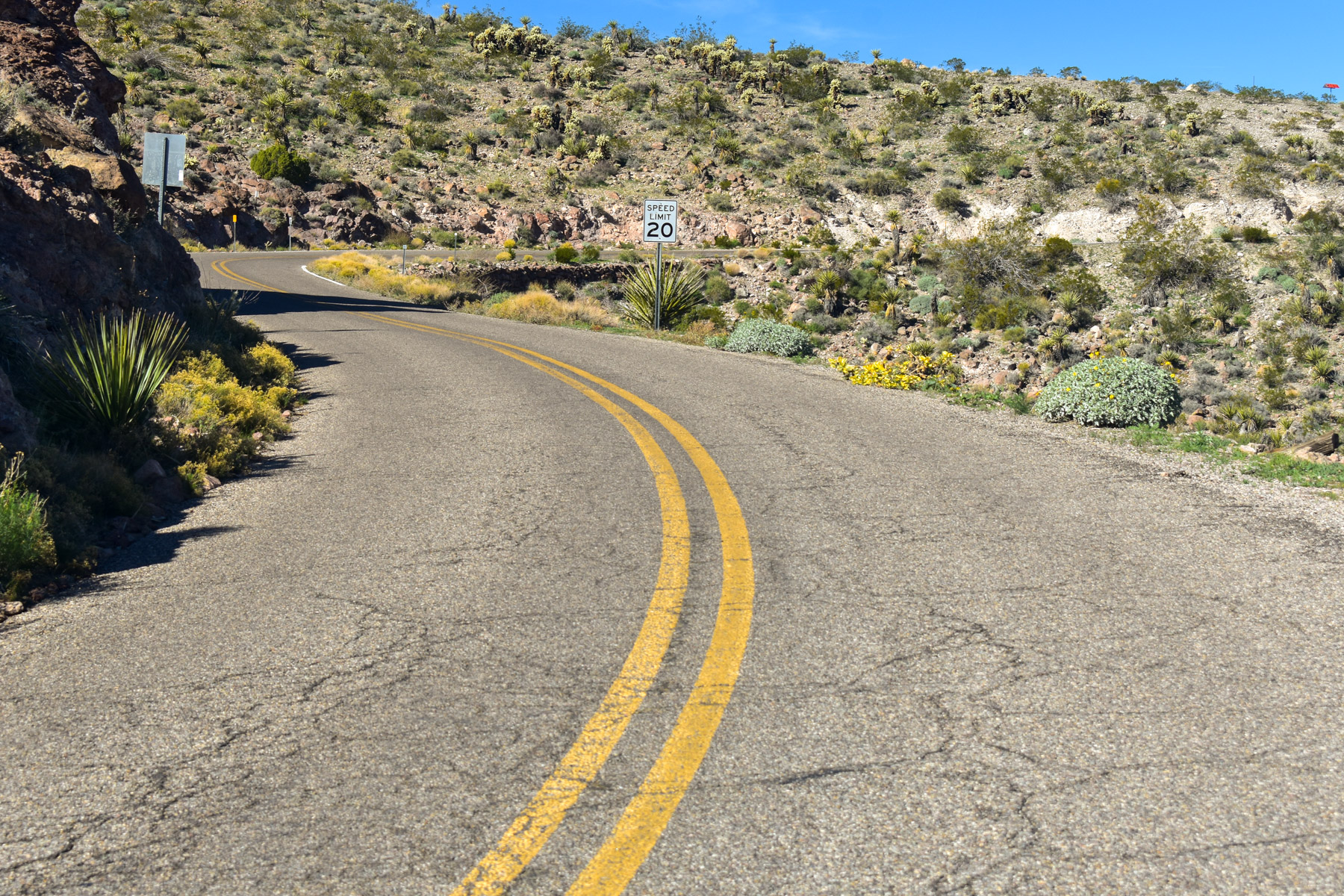
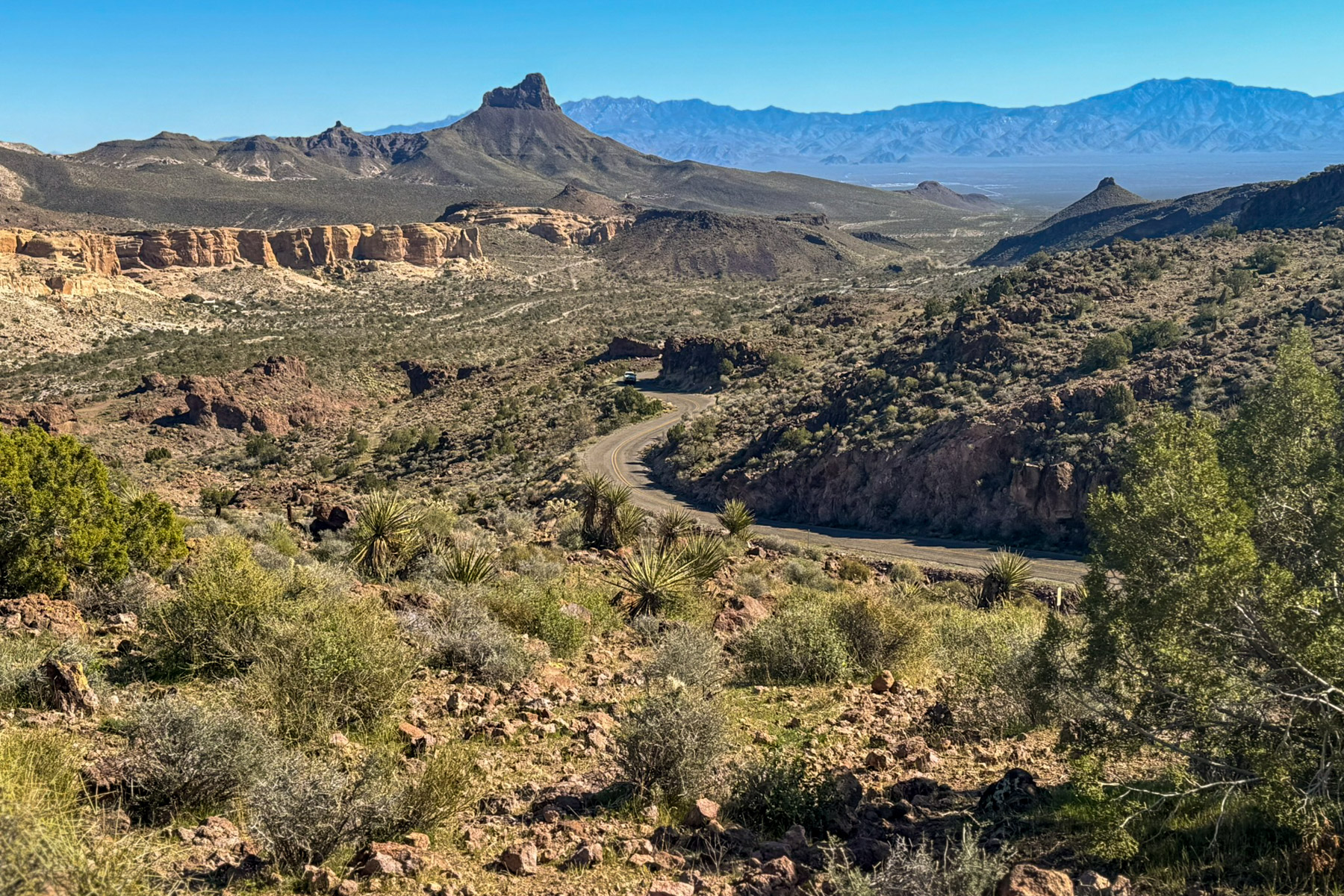
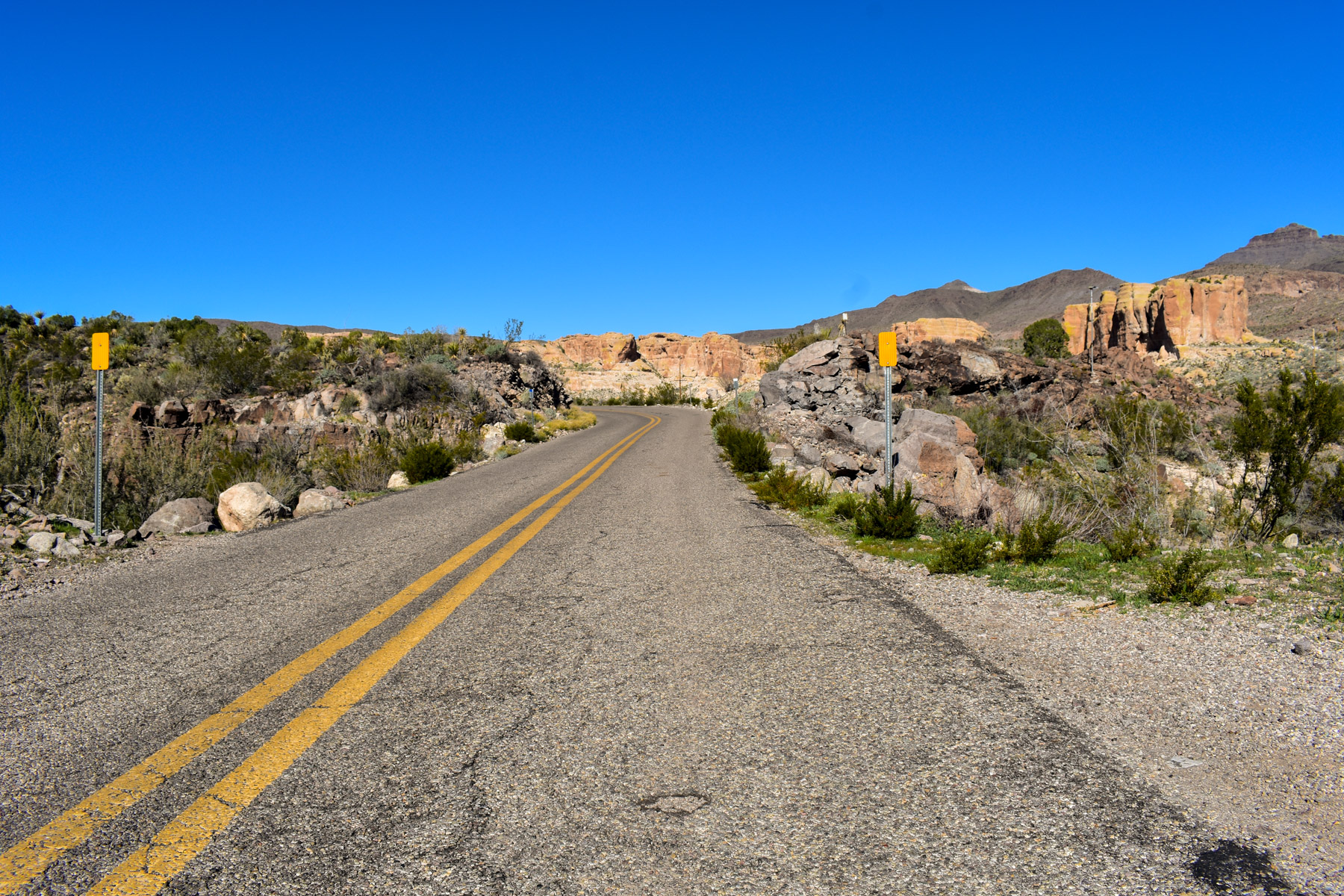
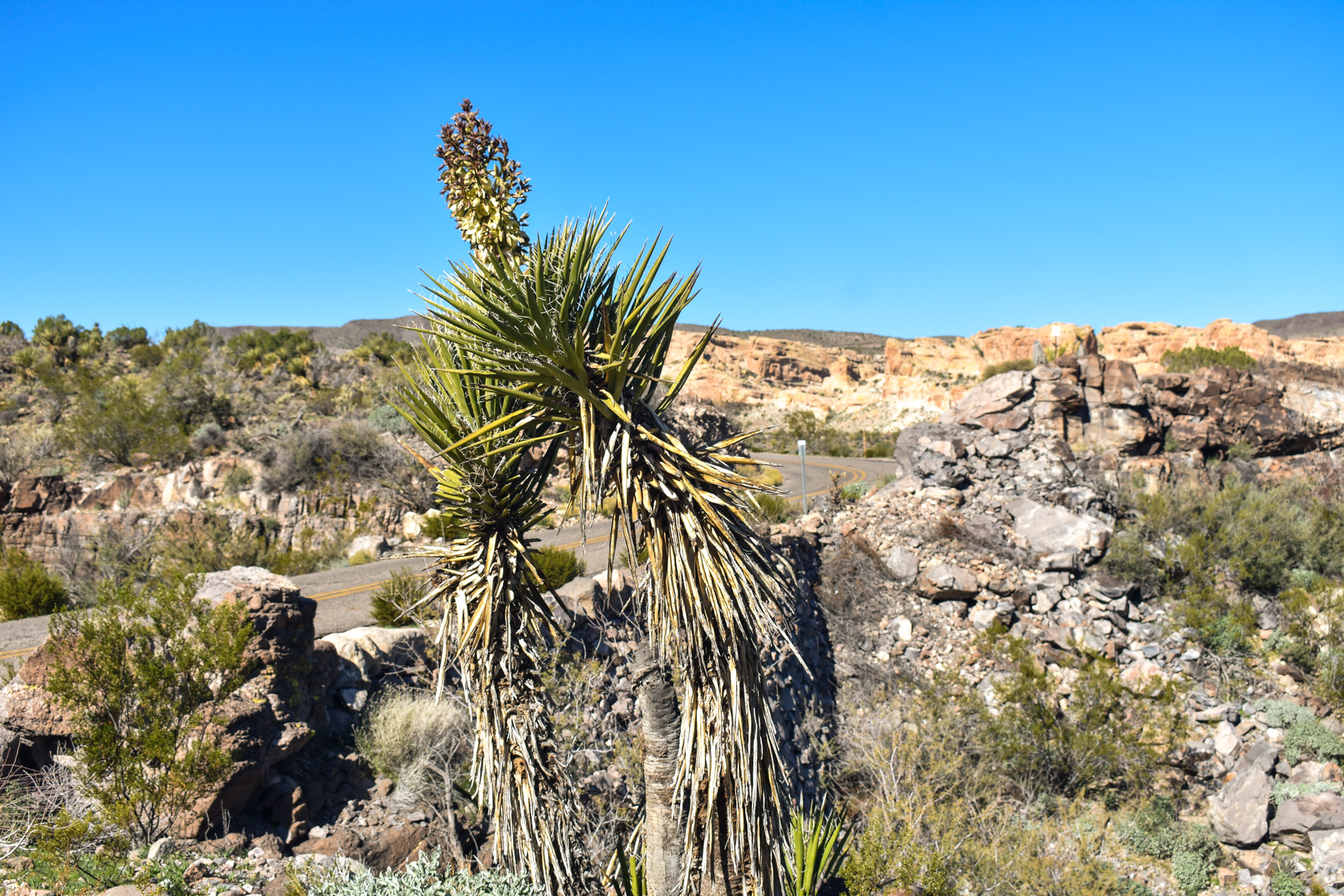
Imported descriptionRoute 66 was one of America's first transcontinental highways, linking Chicago and Los Angeles with nearly 400 miles passing through Arizona. Along its path, it linked the "Main Streets" of towns and cities.This 42-mile stretch of two-lane paved blacktop in Arizona is one of the last and best-preserved segments of the original Route 66. Almost all variety of vehicles are suitable to traverse the segment however wider vehicles (e.g., RVs) should use caution. The segment also has a length requirement of no more than 40 feet over Sitgreaves Pass between Golden Valley and the historic ghost town of Oatman There is signage in Golden Valley to remind travelers of the restrictions.The byway passes through public and private lands, wilderness, valleys, and Main Streets. Please respect all lands and property. Signs posted along the byway range from 20 to 45 miles per hour, obey all posted signs and traffic laws. Any road-worthy vehicle can drive the byway since it is paved asphalt, but automatic transmission is recommended due to steep grades.This portion of the highway once included one of the most fearsome obstacles for "flatland" travelers in the 1930s. These include the hairpin curves and steep grades of Sitgreaves Pass, which characterize Old Route 66 as it makes its way over the Black Mountains of western Arizona.The Route 66 Historic Back Country Byway passes between the Mount Nutt Wilderness and the Warm Springs Wilderness. Visitors can admire the Black Mountains along the way.Along the byway, mileposts 15, 17.1, 33.8 and 34.7 all provide access to the Warm Springs Wilderness, which offers offer outstanding opportunities for primitive recreation like dispersed camping, hiking, and horseback riding. Four-wheel drive is required for all access routes to the wilderness.Nearby attractions and amenities include Oatman and the downtown Kingman Visitor Center. Hours and Seasons The Route 66 Historic Back Country Byway is open all year although the best time to visit is October through April.Features and ServicesDrinking Water: There is no drinking water available. Bring plenty of water. Toilets: There are no toilets available. Cell Phone and Internet: There is no public internet or Wi-Fi. Pets: Pets are allowed and must be kept on a leash at all times. Service dogs are legally permitted anywhere that visitors can go. Please pack out all waste.Safety and ConditionsYou are responsible for your own safety. Call 911 to contact local law enforcement, obtain emergency services, or report a fire. While enjoying your visit, keep in mind that there is no first aid available on-site.Expect potential hazards along the route such as venomous reptiles and invertebrates, extreme heat or cold, and flash floods. Be prepared for changes in weather and stay informed on weather warning alerts. Let someone know your travel plans and when you plan to return.Make sure you have the appropriate gear, food and water. Carry a spare tire, jack, tools, shovel, blanket, etc. Bring adequate fuel as the nearest gas stations are located in Kingman, Golden Valley, Bullhead City, and Fort Mohave.Remember that signing and fencing are for your safety.Respect and ProtectPlease remember to practice outdoor ethics and recreate responsibly. Leave no trace during your visit.All historic artifacts are protected by law and must remain undisturbed. Leave them as you found them for others to enjoy.Check for fire restrictions before your visit. Using exploding targets, fireworks, sky lanterns, tracer ammunition and other incendiary devices is prohibited on BLM-managed public land in Arizona.
Source: recreation.gov
From Wikipedia
U.S. Route 66 also known as the Will Rogers Highway, was a major United States Numbered Highway in the state of Arizona from November 11, 1926, to June 26, 1985. US 66 covered a total of 385.20 miles (619.92 km) through Arizona. The highway ran from west to east, starting in Needles, California, through Kingman and Seligman to the New Mexico state line. Nationally, US 66 ran from Santa Monica, California, to Chicago, Illinois. In its height of popularity, US 66 was one of the most popular highways in the state of Arizona, sometimes carrying over one million cars a year.
Source: Wikipedia — text licensed CC BY-SA 4.0. Verify alerts and operational details with the managing agency below.
Reviews
No reviews yet
Be the first to share your experience and help others plan their visit.
Hunting in this park
This park overlaps hunting units
During hunting seasons, wear blaze orange and check regulations — see the Arizona hunting page
Within ~100 miles
Parks near Route 66 Historic Back Country Byway
Nat'l Recreation Area
Park
Cerbat Foothills Recreation Area (CFRA)
other
Park
Monolith Garden Trail
Arizona
Nat'l Recreation Area
Park
Kingman Field Office
Arizona
Nat'l Recreation Area
Park
Wabayuma Peak Wilderness
Arizona
Nat'l Recreation Area
Park
Muleshoe Ranch Cooperative Management Area
Arizona
other
Park
Wabayuma Peak Trail
Arizona
Same state
More parks in Arizona
Featured
National Park
Park
Grand Canyon National Park
Arizona
1,878 sq mi
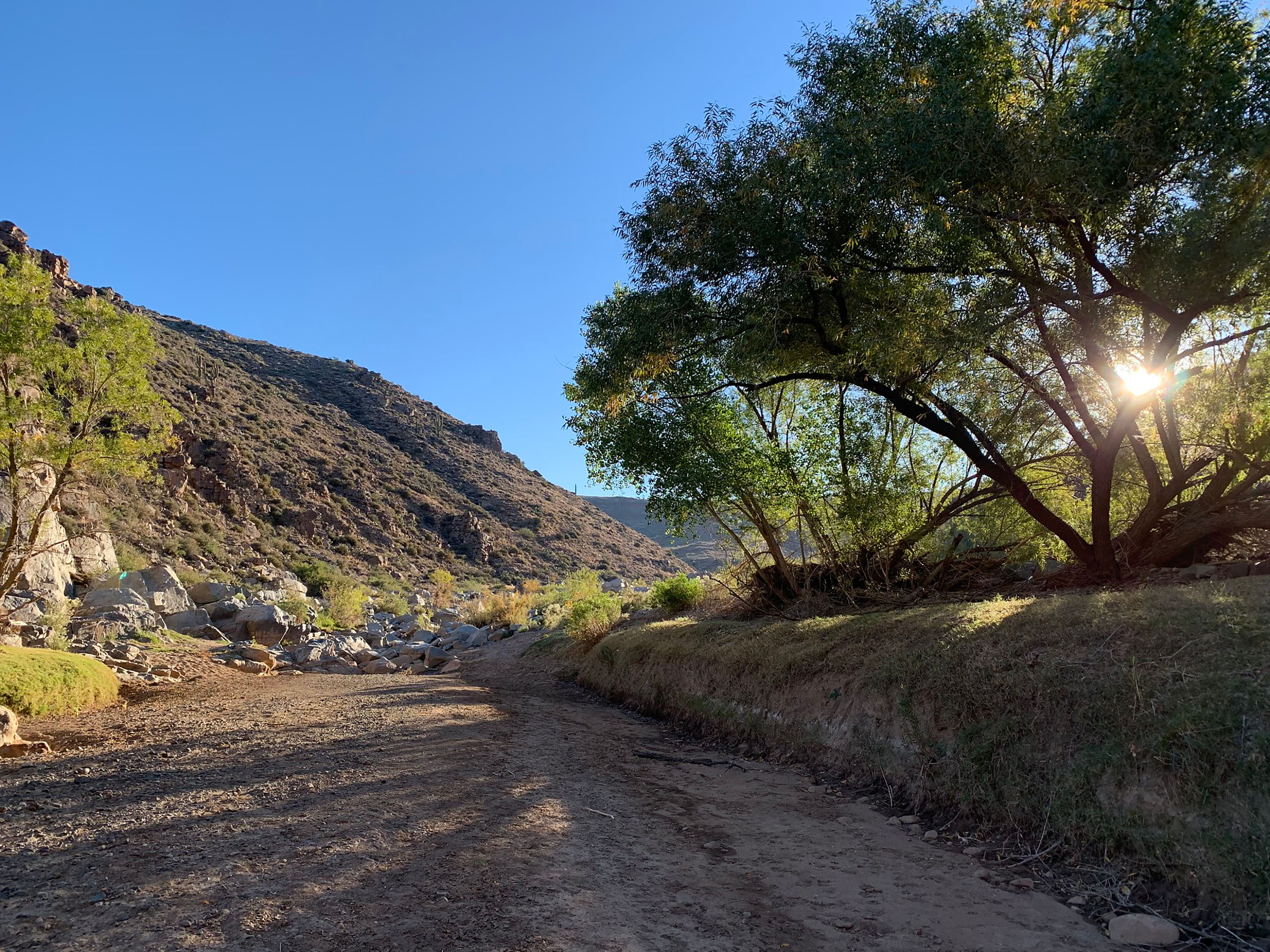
Nat'l Recreation Area
Park
Agua Fria National Monument
Arizona
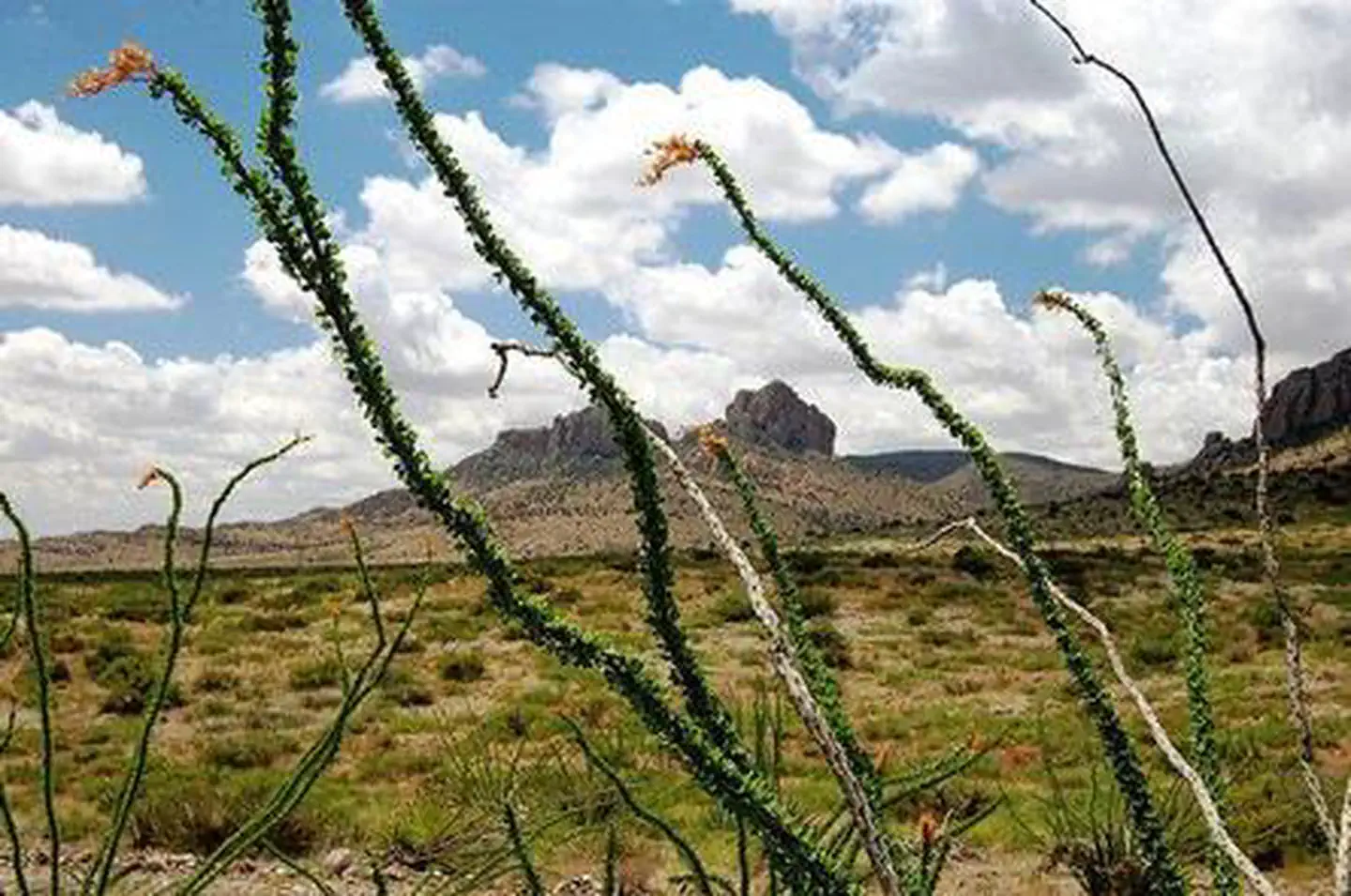
Nat'l Recreation Area
Park
Alamo Hueco Mountains Wilderness Study Area
Arizona
Nat'l Recreation Area
Park
Alamo Lake
Arizona
Nat'l Recreation Area
Park
Apache Box Wilderness Study Area
Arizona
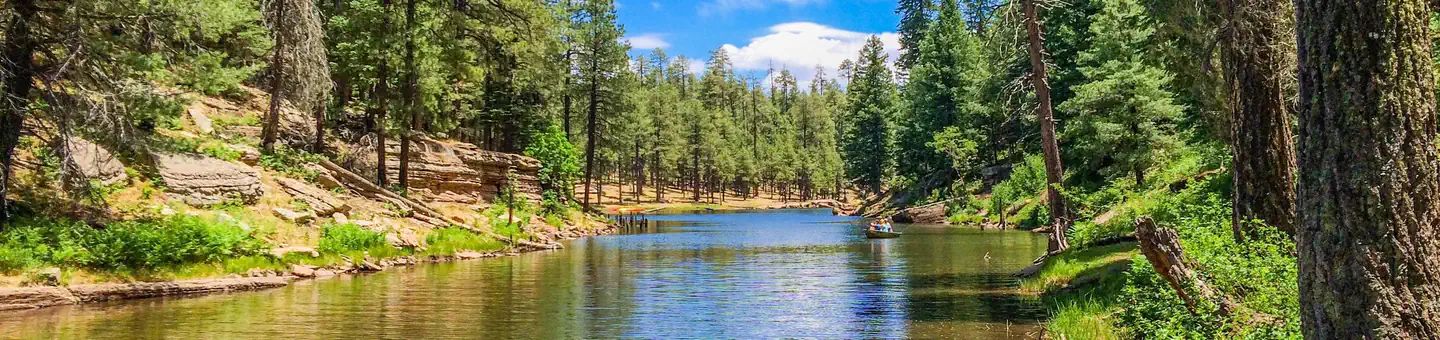
Nat'l Recreation Area
Park
Apache-Sitgreaves National Forest
Arizona
National Forest
Park
Apache-Sitgreaves National Forests
Arizona
4,313 sq mi
Nat'l Recreation Area
Park
Arizona National Scenic Trail
Arizona
Spot an error in our data on Route 66 Historic Back Country Byway?