Park entrance fees, hours, and ranger-issued closures change without notice and may be out of date here. Always confirm current conditions, fees, and access restrictions with the managing agency before you travel. Outdoors is not responsible for closures, fines, or denied entry resulting from outdated information.
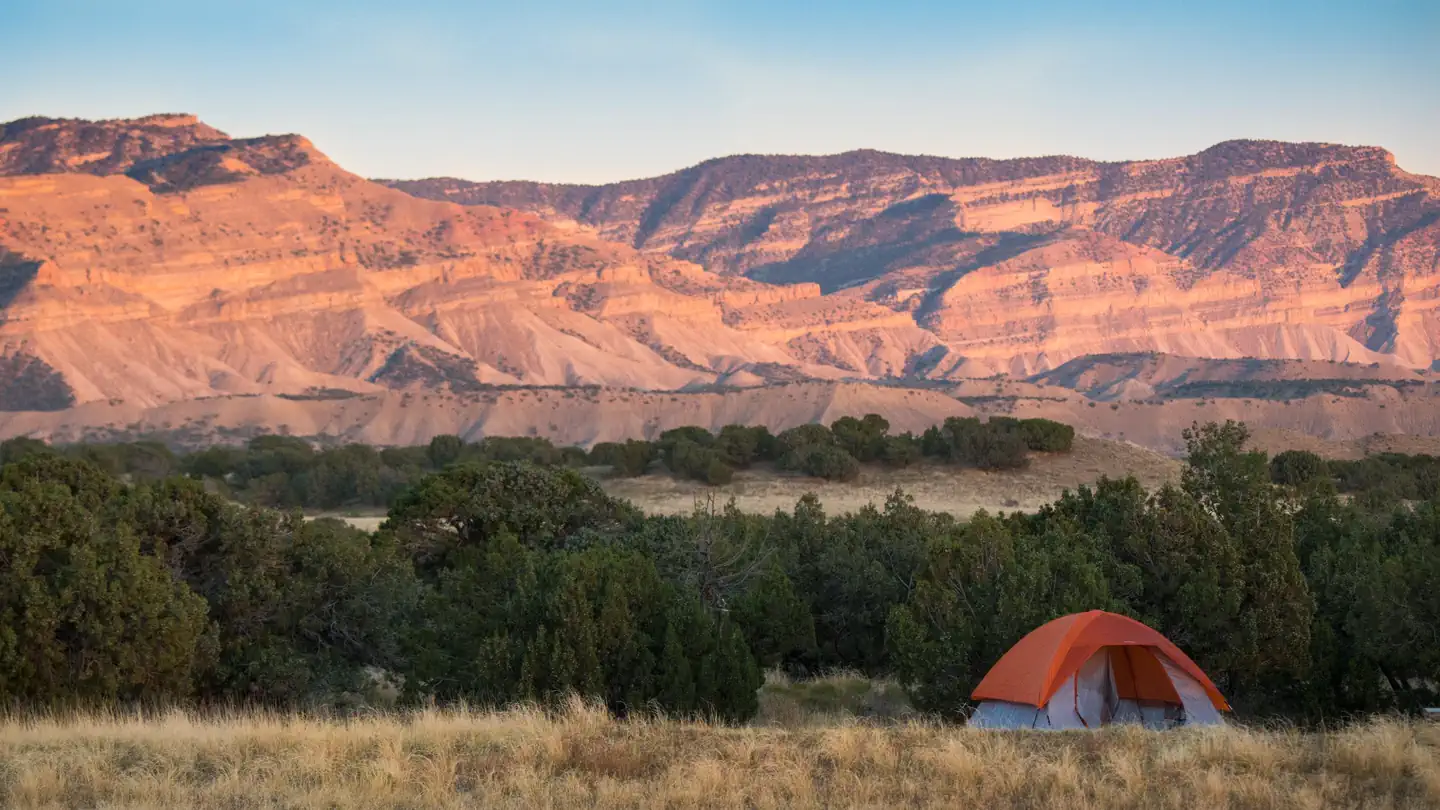
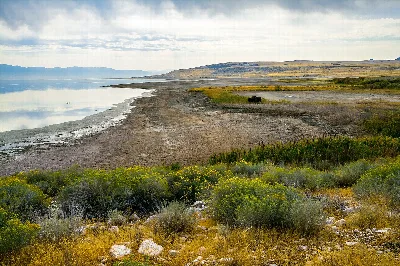
The Rockwell Wilderness Study Area is a 9,000-acre, vehicle-free sanctuary of undisturbed desert ecology. Rolling sand dunes, scattered Utah junipers, sagebrush, and native grasses create ideal conditions for hiking, birdwatching, and photography. A unique plant known as Atriplex canescens var gigantean grows in the Wilderness Study Area. It is a four-wing saltbrush that grows to ten feet tall and appears to be the last relic community of a plant species that was once widespread. The area is also home to diverse wildlife, including mule deer, pronghorn antelope, 15 bird species, and a variety of reptiles like the desert whipsnake.Things to DoWilderness areas are generally available for primitive recreational opportunities, which may include hiking, hunting, fishing, camping, climbing, rockhounding, photography, and other similar activities. With no recreation infrastructure, visitors must rely on backcountry skills to navigate the rugged terrain and remote desert environment.When planning your visit, please keep the following regulations in mind:Primitive Recreation: Motorized equipment and equipment used for mechanical transport are prohibited on all federal lands designated as Wilderness. This includes the use of motor vehicles (including OHVs), motorboats, motorized equipment, bicycles, hang gliders, wagons, carts, portage wheels, and the landing of aircraft including helicopters, unless provided for in specific legislation. Camping: Dispersed camping is allowed for up to 14 days.Wilderness EthicsTo help ensure that everyone has a positive and inspiring experience in wilderness, visitors should practice wilderness-friendly outdoor ethics, including the seven principles developed through the national Leave No Trace program.Plan ahead and prepareTravel and camp on durable surfacesDispose of waste properlyLeave what you findMinimize campfire impactsRespect wildlifeBe considerate of othersWilderness ActWilderness, as defined in the Wilderness Act of 1964, is land "protected and managed so as to preserve its natural conditions and which generally appears to have been affected primarily by the forces of nature, with the imprint of man's work substantially unnoticeable."