Kiavah Wilderness
Nat'l Recreation Area

Kiavah Wilderness

United States

Official sources & verification

Managed by National Recreation Area

Verify before you go

Source of truth

Managing agency

Verify by phone or mail

We display cached information from agency feeds. Hours, fees, permits, closures, fire restrictions, and conditions change without notice. Outdoors is not the permitting authority. Confirm current conditions for this park using the links above before you go — you are responsible for compliance. Last verified by us: May 20, 2026. Spot an error in our data?

About

Imported description
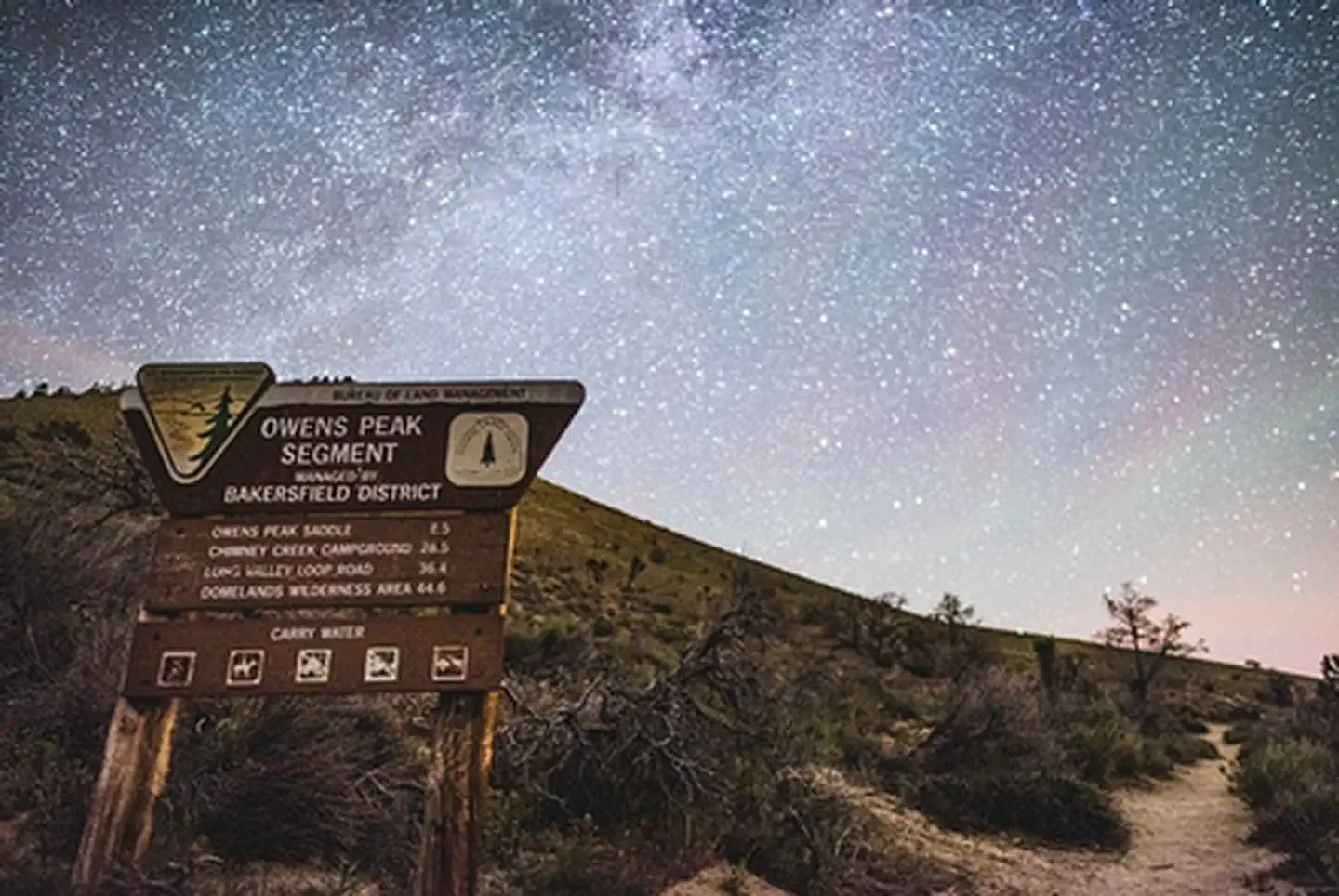
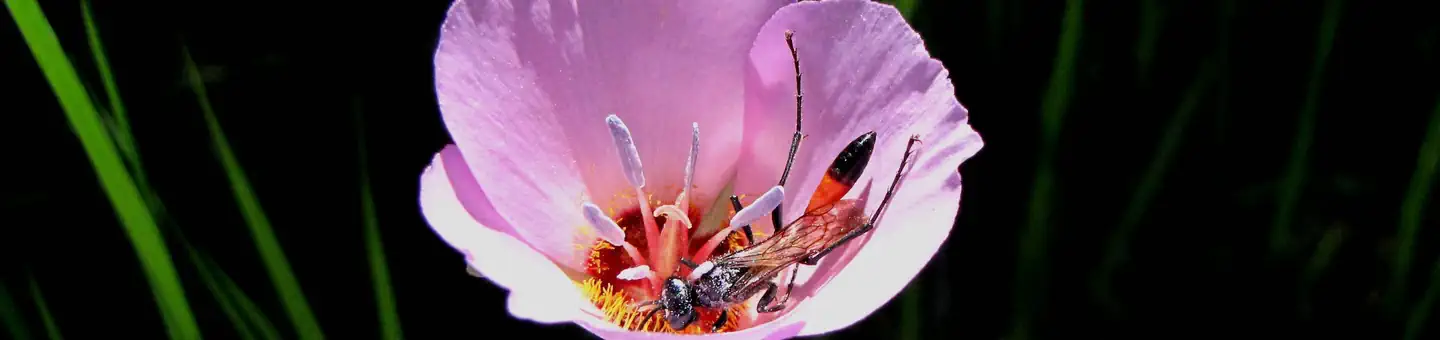
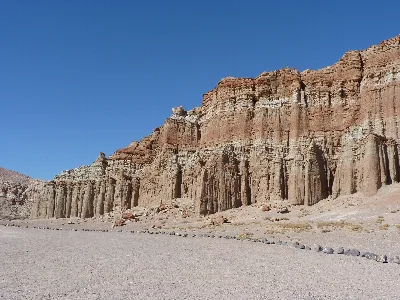
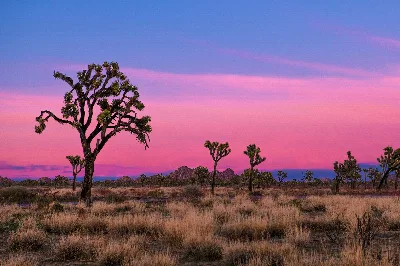
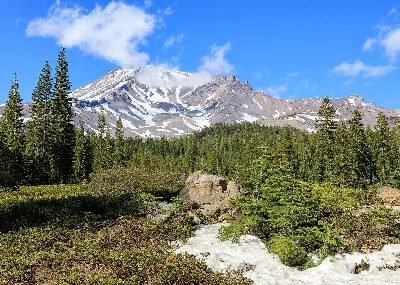
Overview Embracing the eroded hills, canyons, and bajadas of the Scodie Mountains--the southernmost reach of the Sierra Nevada--Kiavah Wilderness lies primarily within Sequoia National Forest but includes a portion on BLM land. Here in the transition zone between the Sierra Nevada and the Mojave Desert, you'll find an unusual mix of plants and animals: creosote bush, Joshua tree, burro bush, and shadscale growing near pinion pine, juniper, canyon oak, and gray pine; yellow-eared pocket mice and lizards watching the skies for raptors. Trails enter from all sides, often fading into the terrain. The Pacific Crest Trail enters on the northeast from Walker Pass and crosses the area for 16 miles, exiting over Bird Spring Pass to the south. Four-wheel-drive roads forge into the area on non-Wilderness intrusions from the east up Horse Canyon and Cow Heaven Canyon, both accessible from State Highway 14. You should be able to find water in numerous springs. However, due to the arid environment and dry conditions be sure to carry plenty of water. Potable drinking water may not be available year round. Visitors should not drink from creeks and springs without properly treating the water. Recommended treatment is to bring clear water to a rolling boil for 5 minutes or use a filter/purifying system that eliminates giardia and waterborne bacteria. For more information about this wilderness, please visit Wilderness Connect. Leave No Trace How to follow the seven standard Leave No Trace principles differs in different parts of the country (desert vs. Rocky Mountains). For more information on any of the principles listed below, please visit Leave No Trace, Visit the Leave No Trace, Inc. website.. Plan Ahead and Prepare Travel and Camp on Durable Surfaces Dispose of Waste Properly Leave What You Find Minimize Campfire Impacts Respect Wildlife Be Considerate of Other Visitors Rules and Regulations Motorized equipment and equipment used for mechanical transport are generally prohibited on all federal lands designated as wilderness. This includes the use of motor vehicles (including OHVs), motorboats, motorized equipment, bicycles, hang gliders, wagons, carts, portage wheels, and the landing of aircraft including helicopters, unless provided for in specific legislation. In a few areas some exceptions allowing the use of motorized equipment or mechanical transport are described in the special regulations in effect for a specific area. Contact the agency for more information about regulations.

Source: recreation.gov

From Wikipedia

The Kiavah Wilderness is a federally designated wilderness area located in the Mojave Desert, Scodie Mountains, and southern Sierra Nevada in Kern County, California, United States. California State Route 178 connects the town of Lake Isabella to State Highway 14 in the east, crossing Walker Pass at the north boundary of the wilderness.

Source: Wikipedia — text licensed CC BY-SA 4.0. Verify alerts and operational details with the managing agency below.

Reviews

No reviews yet

Be the first to share your experience and help others plan their visit.

Hunting in this park

Hunting is generally prohibited in this National Park Service unit

Verify current park-specific rules with the National Park Service before planning any hunt. See NPS regulations

Spot an error in our data on Kiavah Wilderness?