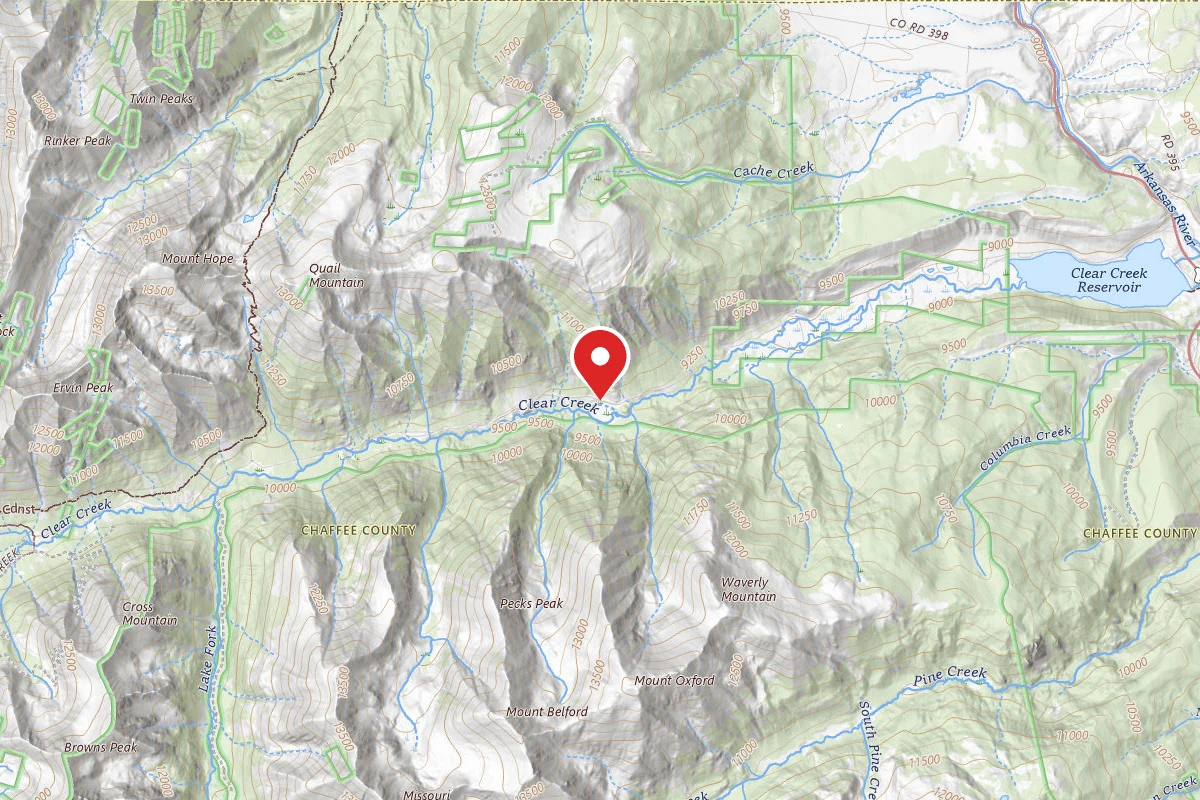
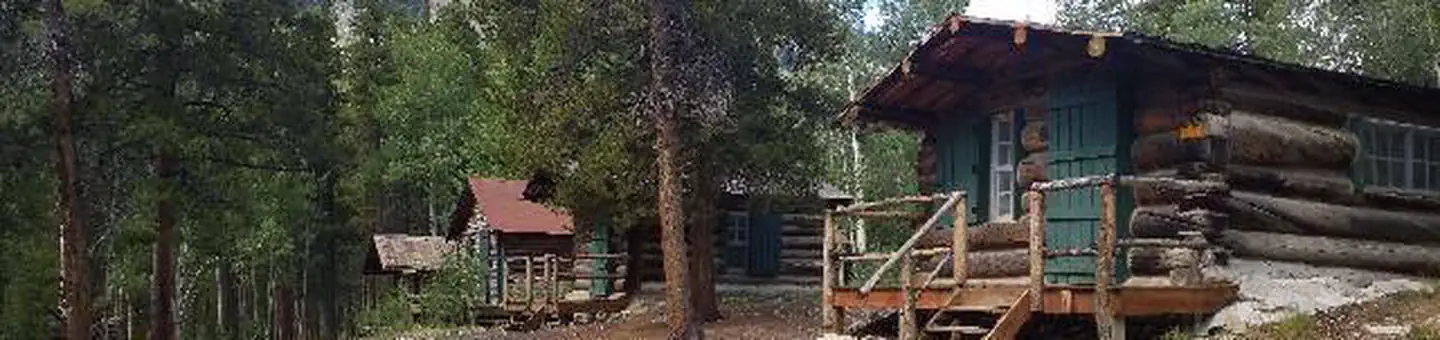
Vicksburg Mining Camp Interpretive Site
San Isabel National Forest · Buena Vista, CO
Verify with the state park system
State parks set their own rules and reservation systems. Fire bans, road closures, and operating dates change seasonally — check the state park website before traveling.
Pricing
Check official pricing0.0
0 Reviews
Official sources & verification
Managed by State Park
Source of truth
- Agency source page
The page our published rules and notes are derived from.
Verify by phone or mail
- Address:Buena Vista, CO
About
Reviews
No reviews yet
Be the first to share your experience and help others plan their visit.
Campground Rules
- No campfires allowed
In this park
Trails at San Isabel National Forest
Rainbow
Colorado
Laplata Peak Trail
Colorado
Little Cochetopa Trail
Colorado
Mt. Massive/North Halfmoon Trail
Colorado
Greenhorn Road
Colorado
West Tennessee Lakes
Colorado
Within ~30 miles
Trails near Vicksburg Mining Camp Interpretive Site
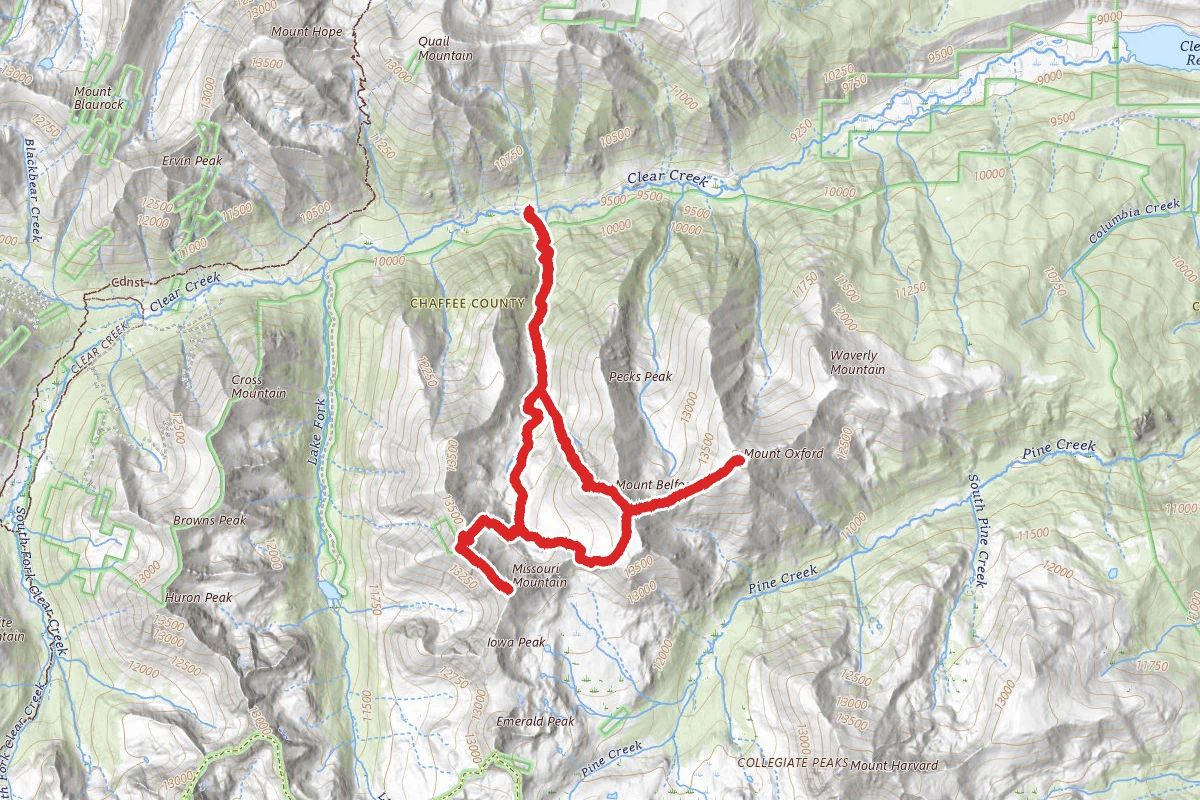
Missouri, Belford and Oxford Mountains
Colorado
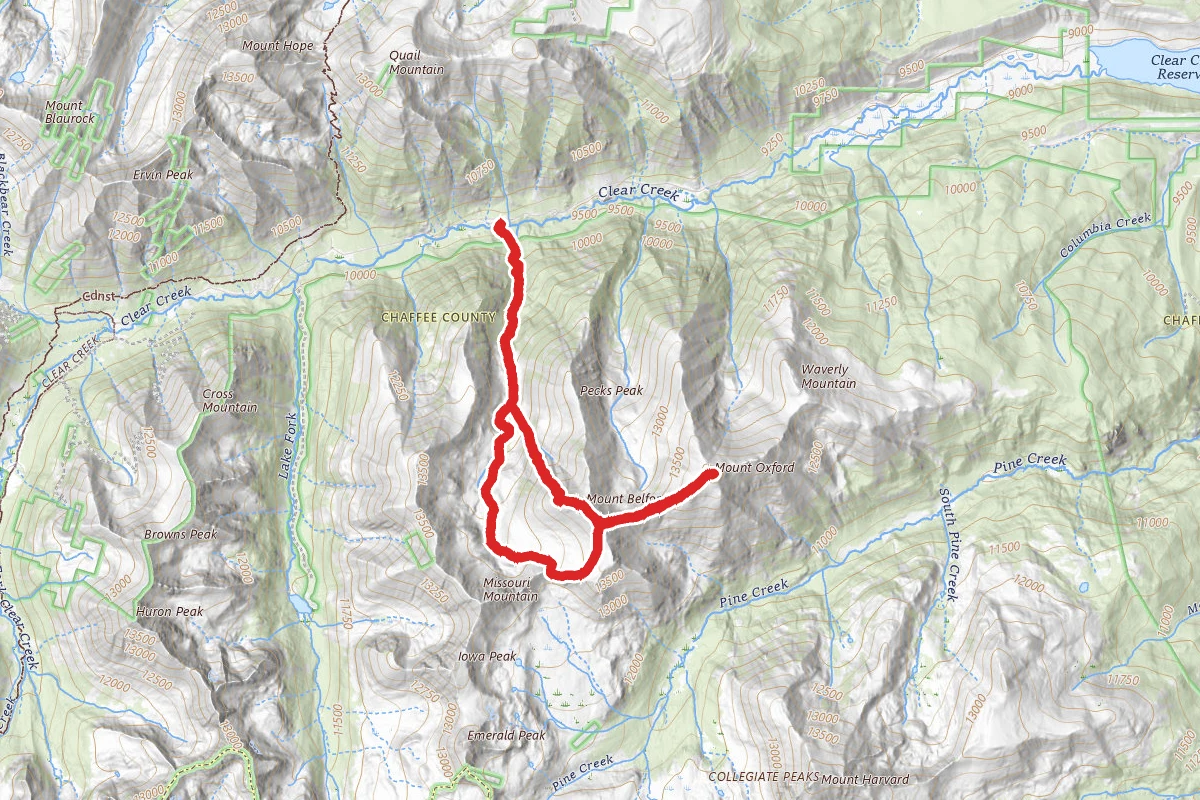
Mount Oxford
Colorado
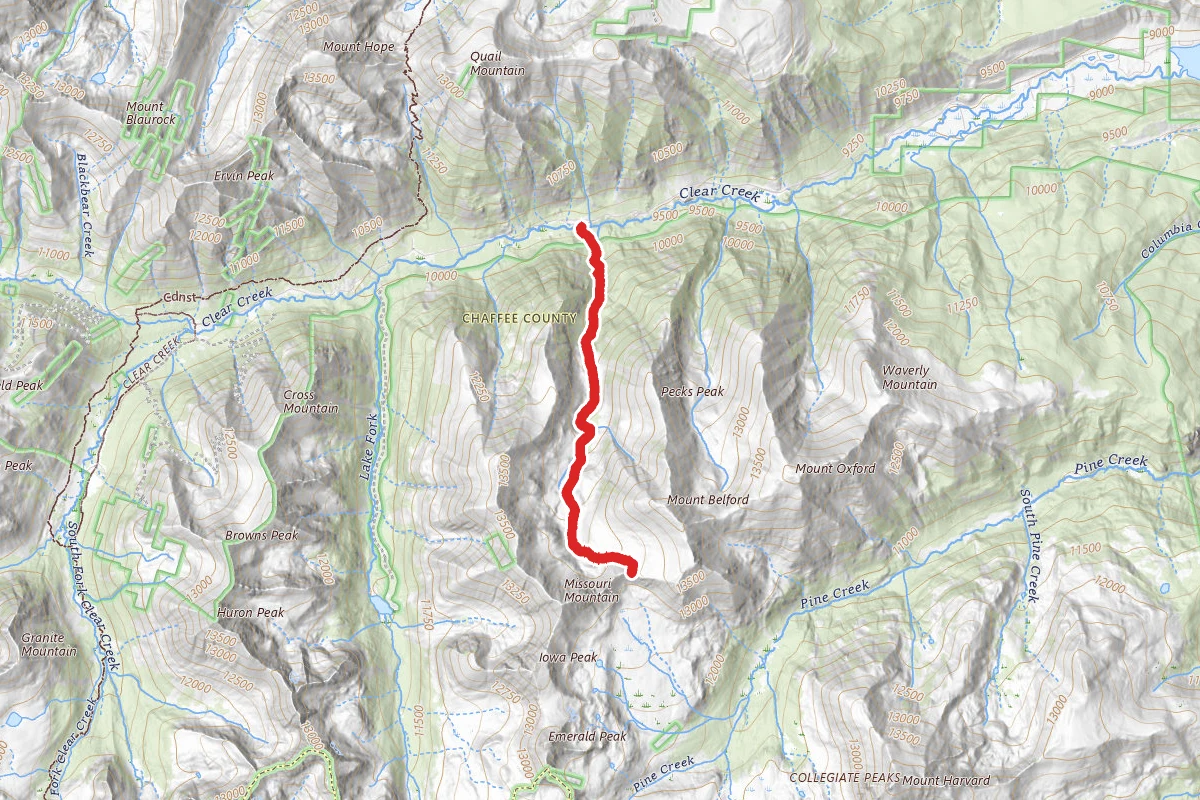
Elkhead Pass
Colorado
Mount Belford
Colorado
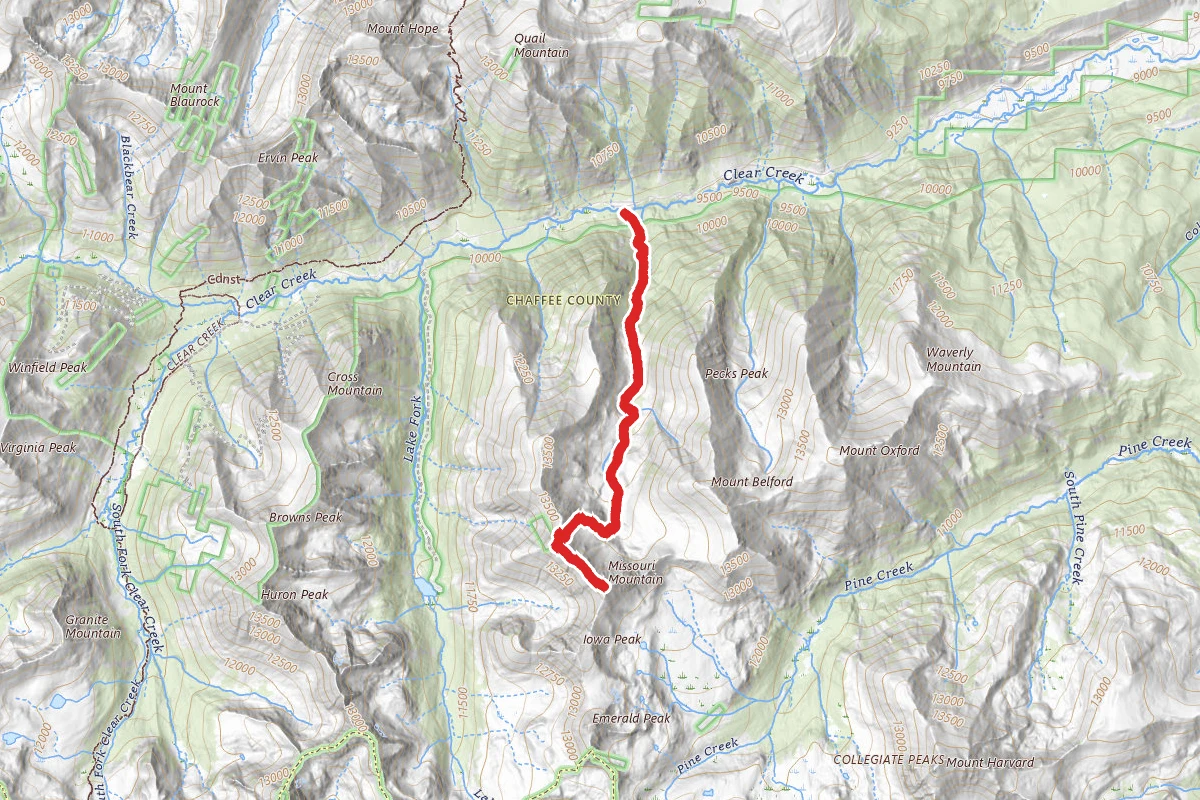
Missouri Mountain Trail
Colorado
Sheep Gulch/Hope Pass
Colorado
Hunt context
Hunting units around this campground
During hunting seasons, wear blaze orange and check regulations — see the Colorado hunting page
Nearby Campgrounds
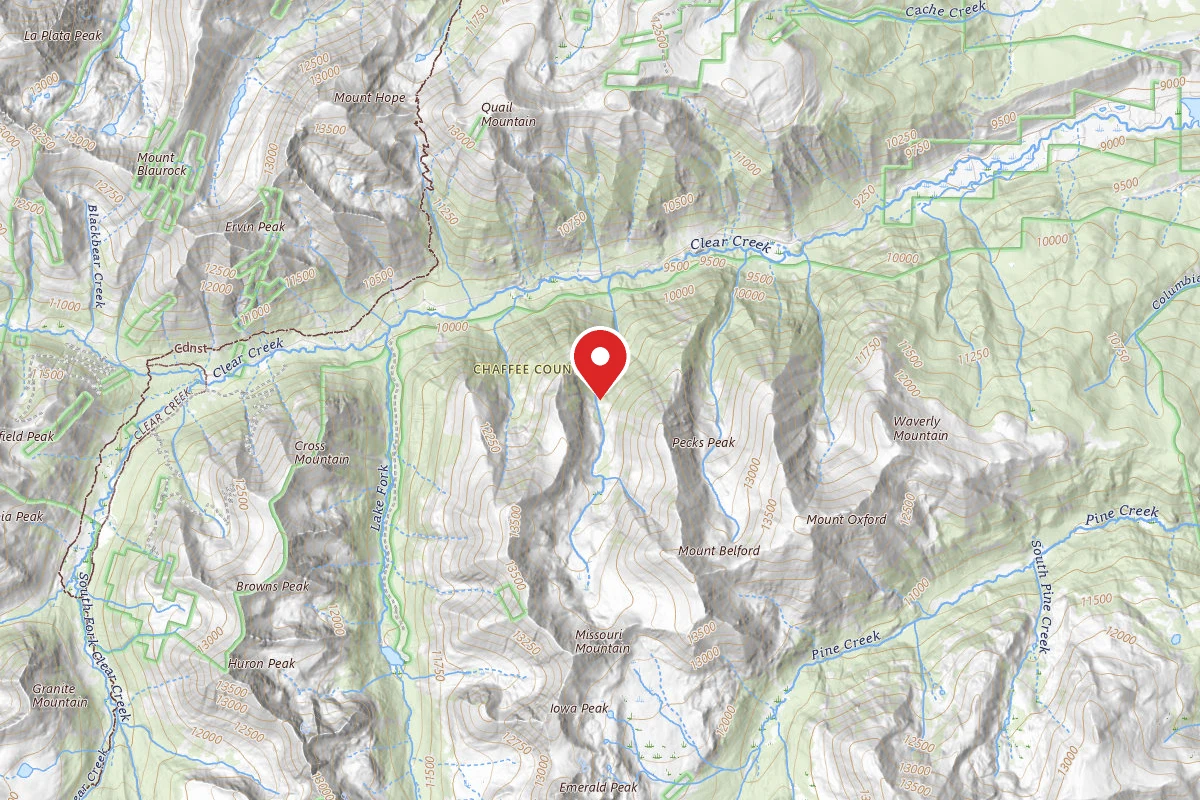
Dispersed Site near 38.9817, -106.3737
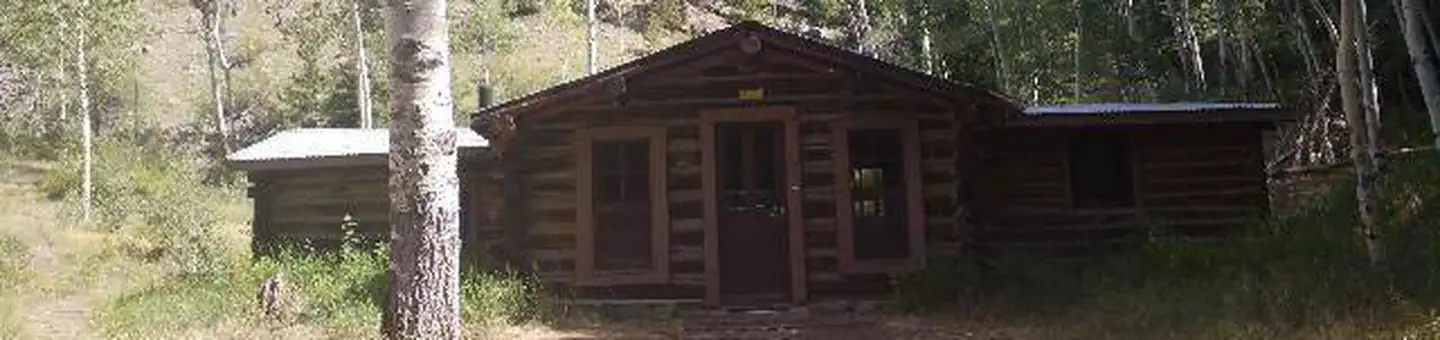
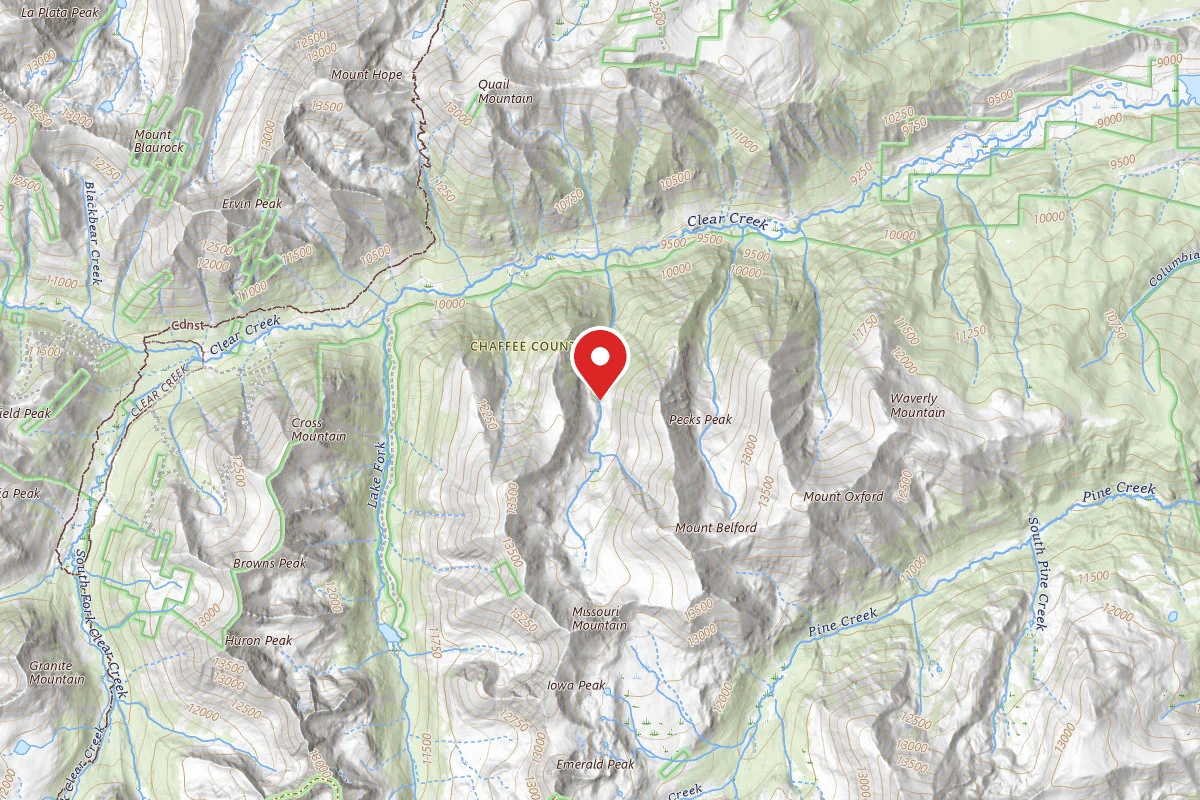
Dispersed Site near 38.9786, -106.3732
Chaffee County Road 390 Dispersed
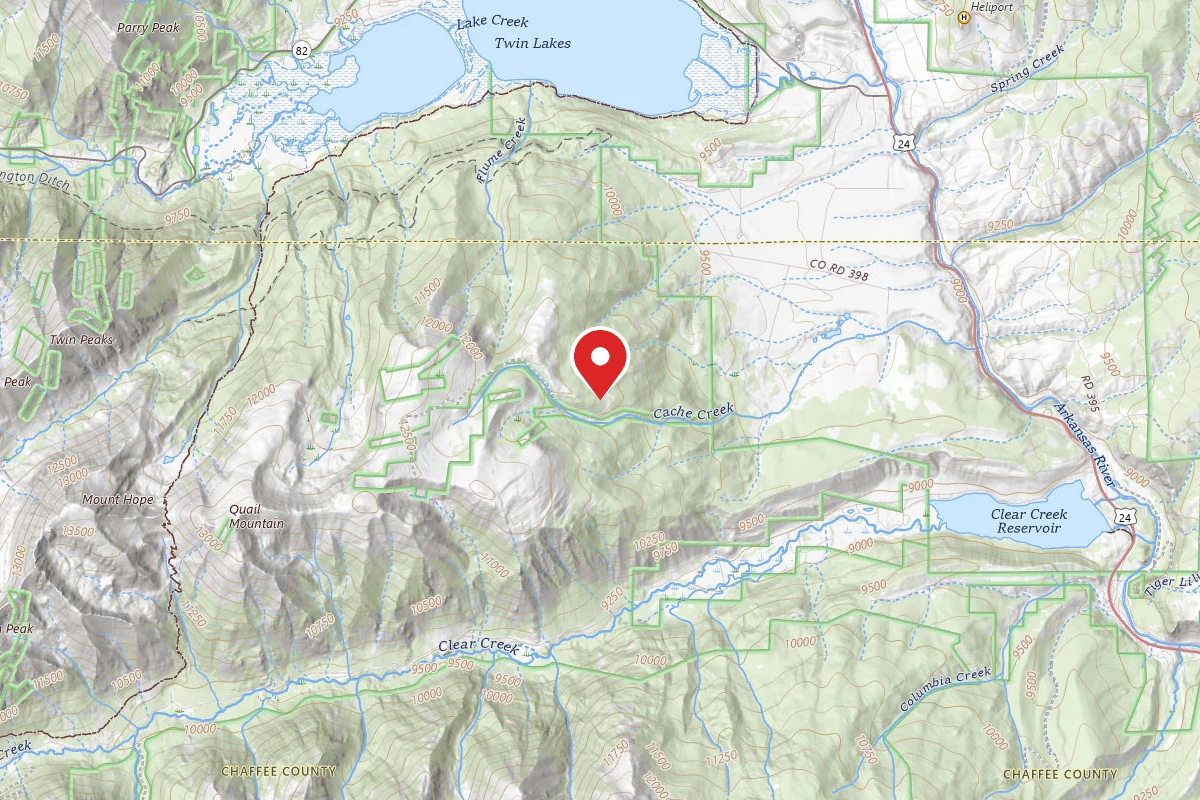
Dispersed Site near 39.0353, -106.3305