1 / 5
Nat'l Recreation Area
Official sources & verification
Managed by U.S. Fish & Wildlife Service
Source of truth
- Agency source page
The page our published rules and notes are derived from.
Managing agency
- U.S. Fish & Wildlife Service
Find offices, alerts, and current orders for this agency.
Verify by phone or mail
- Operator:956-784-7500
- Email:null
- Address:TX
About
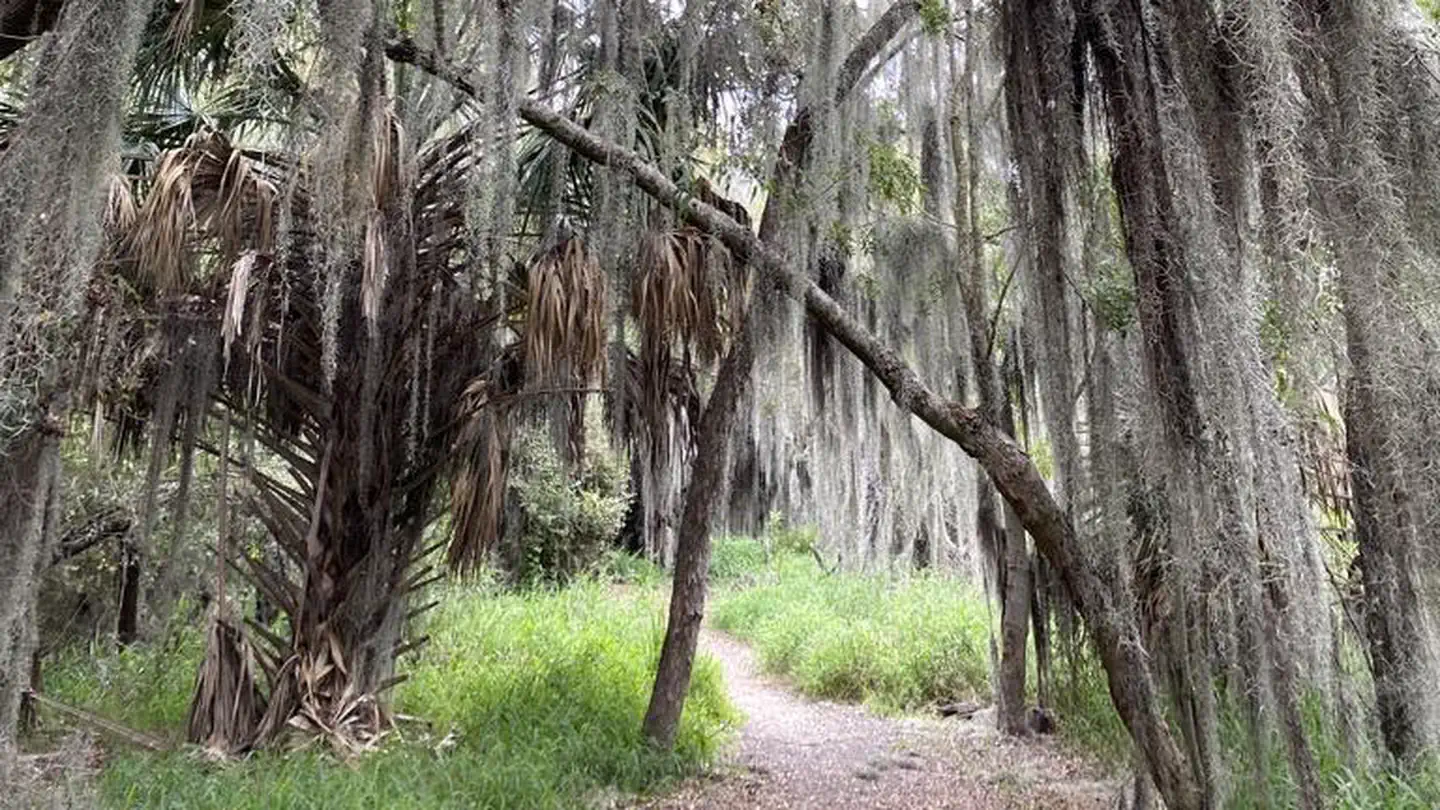
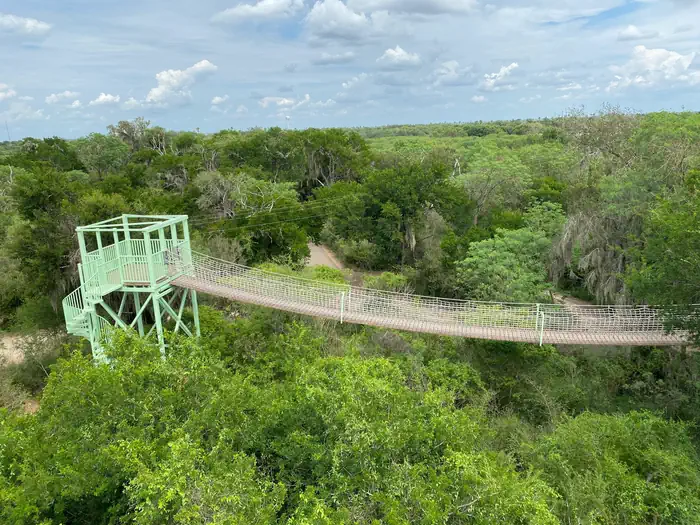
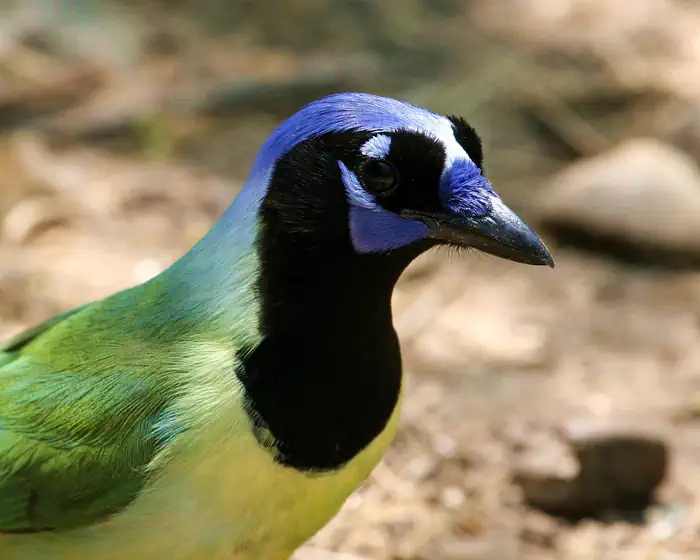
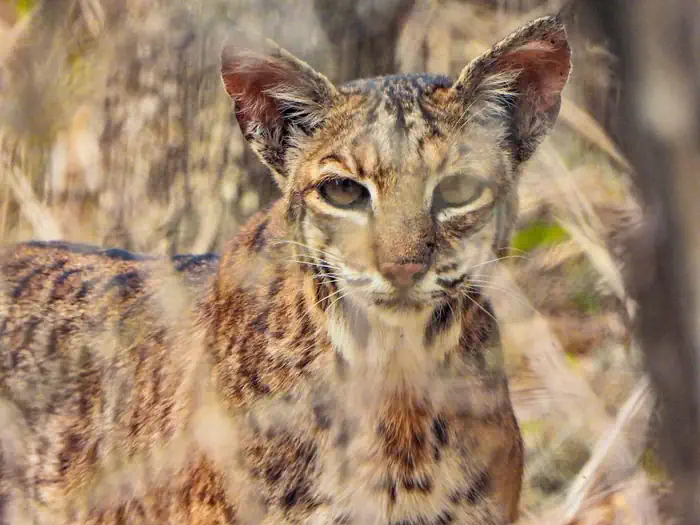
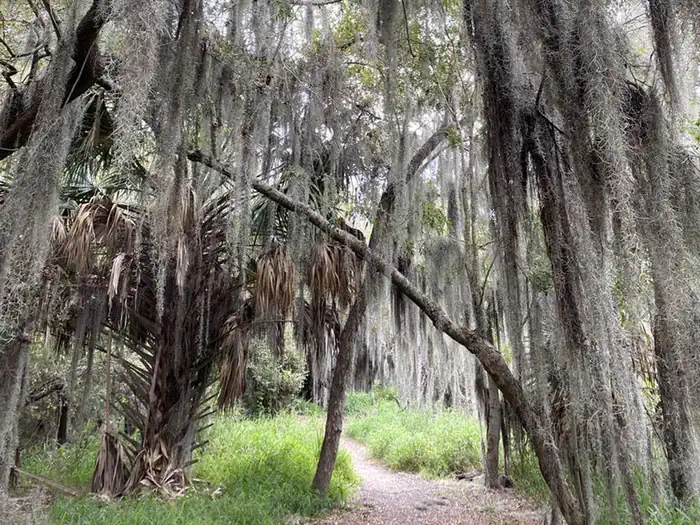
Imported descriptionEstablished in 1943 for the protection of migratory birds, Santa Ana National Wildlife Refuge is positioned along an east-west and north-south juncture of two major migratory routes for many species of birds. It is also at the northern-most point for many species whose range extends south into Central and South America. The refuge is right in the middle of all this biological diversity, which is what makes this 2,088-acre parcel the ‘jewel of the National Wildlife Refuge System.’ Though small in size, Santa Ana offers visitors an opportunity to see birds, butterflies and many other species not found anywhere else in the United States beyond deep South Texas. Most out-of-town visitors will see or hear a new bird species before even making it into the refuge’s Visitor Center! Sit in the refuge’s breezeway and watch the birds or hike more than 14 miles of trails. Take an open-air tram ride, go for either a 3 or 7-mile bike ride, or join a guided nature walk.
Source: recreation.gov
From Wikipedia
Santa Ana National Wildlife Refuge is a 2,088-acre (8.45 km2) National Wildlife Refuge situated along the banks of the Rio Grande, south of Alamo in the Lower Rio Grande Valley, in Hidalgo County, Texas. This sub-tropical sanctuary harbors one of the highest wildlife diversities of any single unit in the National Wildlife Refuge system and has been referred to as the “Gem of the National Wildlife Refuge System”. Many Mexican and tropical species reach the northern limit of their distributions in the Lower Rio Grande Valley, including several that occur nowhere else in the US. Santa Ana National Wildlife Refuge preserves one of the largest tracks of old growth habitat in the Lower Rio Grande, in a region where much of the land use has been dominated by, and shifted over the last century, from small farms, to commercial agro-industries, to significant population growth and urban development in recent decades.
Source: Wikipedia — text licensed CC BY-SA 4.0. Verify alerts and operational details with the managing agency below.
Reviews
No reviews yet
Be the first to share your experience and help others plan their visit.
Within ~100 miles
Parks near Santa Ana National Wildlife Refuge

Same state
More parks in Texas
Featured
State Park
Park
Palo Duro Canyon State Park
Texas
46 sq mi
National Monument
Park
Alibates Flint Quarries National Monument
Texas
Nat'l Recreation Area
Park
Amistad National Recreation Area
Texas
National Forest
Park
Angelina National Forest
Texas
239 sq mi
Nat'l Recreation Area
Park
Aransas National Wildlife Refuge
Texas
wildlife refuge
Park
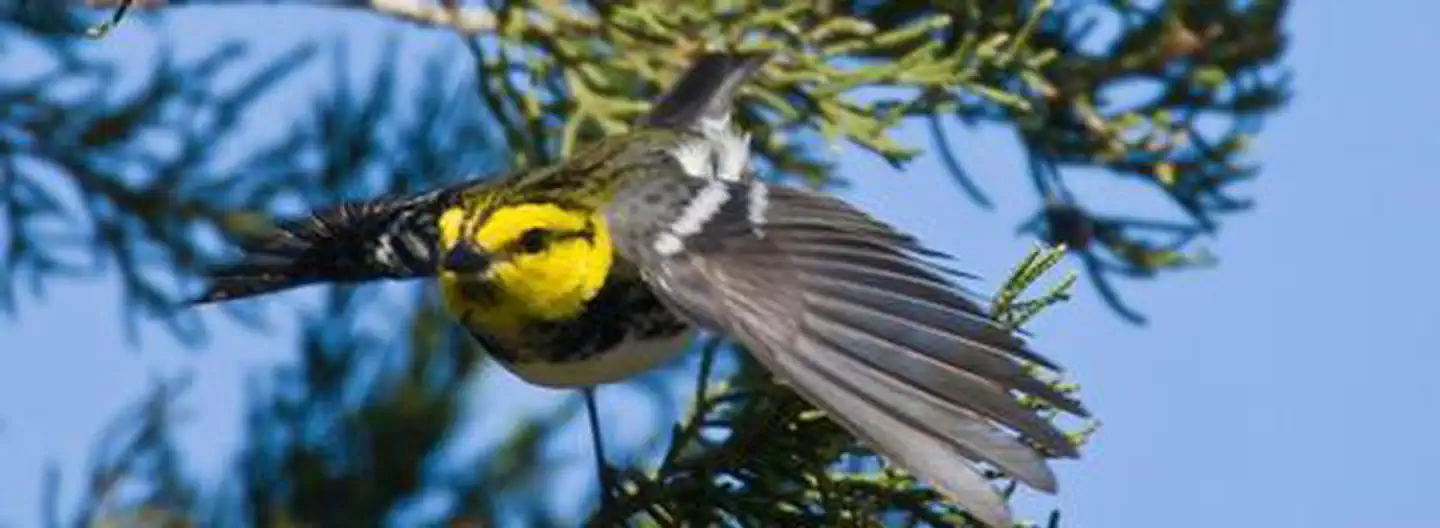
Balcones Canyonlands National Wildlife Refuge
Texas
Nat'l Recreation Area
Park
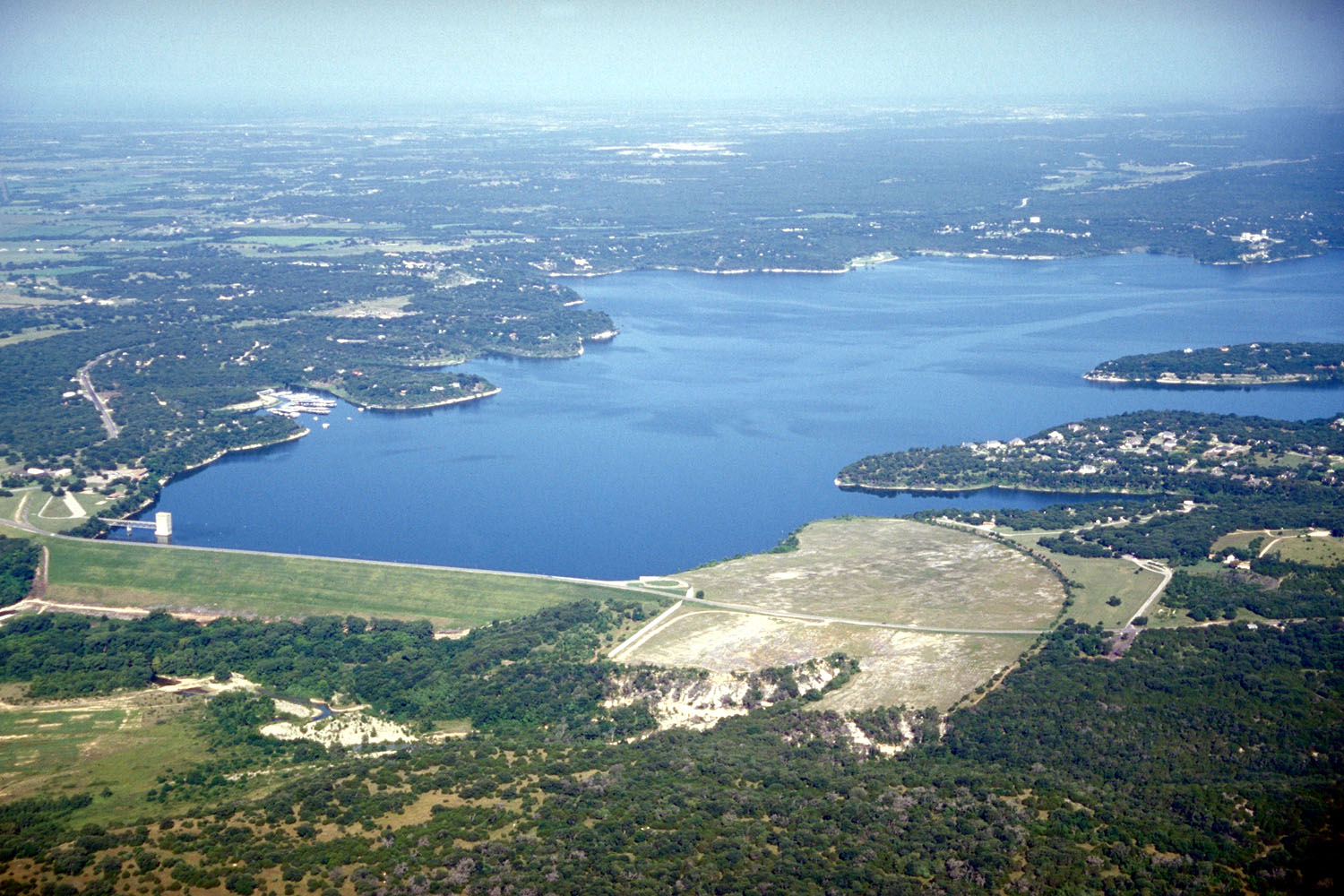
Belton Lake
Texas
National Park
Park
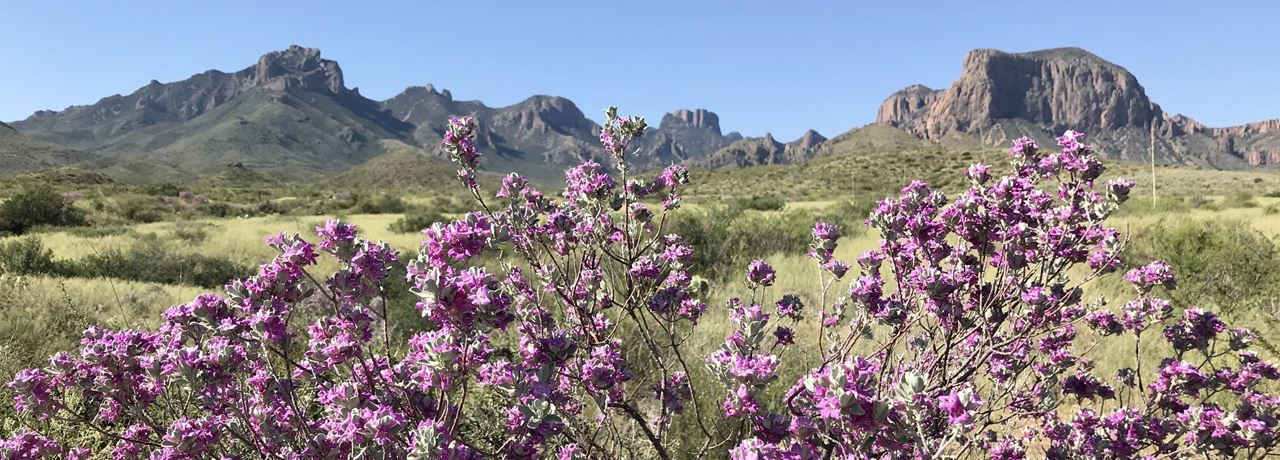
Big Bend National Park
Texas
1,252 sq mi
Spot an error in our data on Santa Ana National Wildlife Refuge?