Long Lake Wetland Management District
Nat'l Recreation Area

Long Lake Wetland Management District

United States

Official sources & verification

Managed by National Recreation Area

Verify before you go

Source of truth

Managing agency

Verify by phone or mail

We display cached information from agency feeds. Hours, fees, permits, closures, fire restrictions, and conditions change without notice. Outdoors is not the permitting authority. Confirm current conditions for this park using the links above before you go — you are responsible for compliance. Last verified by us: May 20, 2026. Spot an error in our data?

About

Imported description
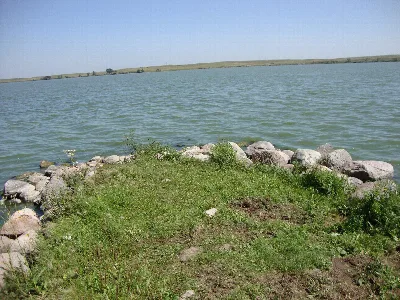
Enjoy the rolling nature of the landscape on the Missouri Coteau and the Missouri River Slope, where precipitation in the area averages around 16 inches annually. Approximately 70% of the land in the three-county area remains virgin sod - native mixed-grass prairie. The wetlands found in the northeastern portion of the Wetland Management District are classic prairie potholes of various sizes and types that are prime duck production habitat. Soils in this area are generally deep and quite productive. Many of the wetlands on Missouri River Slope portion of the wetland management district are large semi-permanent and permanent alkali wetlands. The Long Lake Wetland Management District habitats are comprised of waterfowl production areas, satellite refuges, wildlife development areas, wetland and grassland easements, and private lands agreements. Waterfowl production areas are fee title lands purchased under authority of the Small Wetlands Acquisition Program, funded with Duck Stamp dollars.The goals for the Wetland Management District are listed below:Conserve, restore, and enhance federally listed endangered species and the habitats upon which they depend.Provide life requirements of waterfowl and other migratory birds occurring naturally in this portion of the Prairie Pothole Region.Provide life requirements of resident wildlife species.Provide a wide range of opportunities for compatible wildlife/wetlands-oriented recreation, interpretation, and education.Foster conditions under which prehistoric and historic resources can exist in harmony with the U.S. Fish and Wildlife Service mission.Preserve and enhance the overall environmental quality, wild character, and natural beauty of the Long Lake Wetland Management District.

Source: recreation.gov

From Wikipedia

Long Lake Wetland Management District encompasses three counties in south-central North Dakota, an area famed for its wealth of waterfowl-producing potholes and native prairie grasslands. Headquarters for the Wetland Management District is located in the Long Lake National Wildlife Refuge office near Moffit, North Dakota, which is about 35 miles southeast of Bismarck. Topographical landforms of the area include Missouri Coteau and Missouri River Slope. Precipitation averages just under 16 inches per year. Approximately 68 percent of the land in the three county area remains virgin sod - native mixed-grass prairie. The dominant land use is cattle grazing. The Coteau wetlands found in the northeastern portion of the Wetland Management District are classic prairie potholes of various sizes and types that are prime duck production habitat. These areas, when wet, are very productive. Soils in this area are generally deep and quite productive. Due to the rolling nature of the landscape on the Coteau, a lot of the land is also characterized as highly erodible. Conversely, many of the wetlands on Missouri River Slope portion of the Wetland Management District are large semi-permanent and permanent alkali wetlands. There are 21 wetland sites on the Missouri River Slope that have a history of periodic avian botulism outbreaks. These areas occasionally present localized problems for significant numbers of migratory birds. Soils on the Missouri River Slope are characteristically shallow with high proportions of sand and gravel. Much of the land is highly erodible. Since 1985, substantial land acreage in the three county area that was once farmed has been retired to Conservation Reserve Program grasslands. The program has assisted in restoring waterfowl populations for many species in the Wetland Management District which exceed the highest level ever recorded since surveys began.

Source: Wikipedia — text licensed CC BY-SA 4.0. Verify alerts and operational details with the managing agency below.

Reviews

No reviews yet

Be the first to share your experience and help others plan their visit.

Hunting in this park

Hunting is generally prohibited in this National Park Service unit

Verify current park-specific rules with the National Park Service before planning any hunt. See NPS regulations

Spot an error in our data on Long Lake Wetland Management District?