Park entrance fees, hours, and ranger-issued closures change without notice and may be out of date here. Always confirm current conditions, fees, and access restrictions with the managing agency before you travel. Outdoors is not responsible for closures, fines, or denied entry resulting from outdated information.
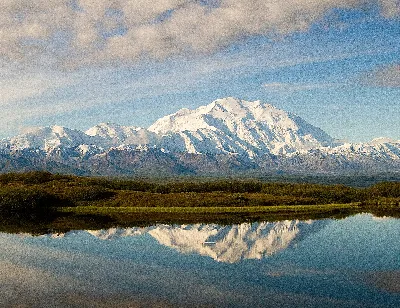
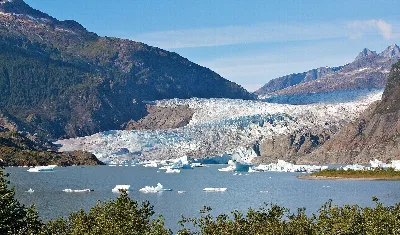
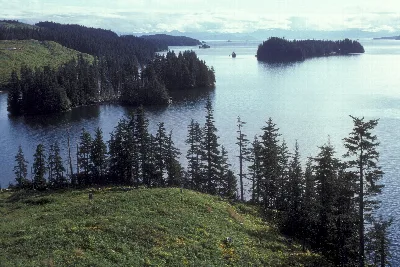
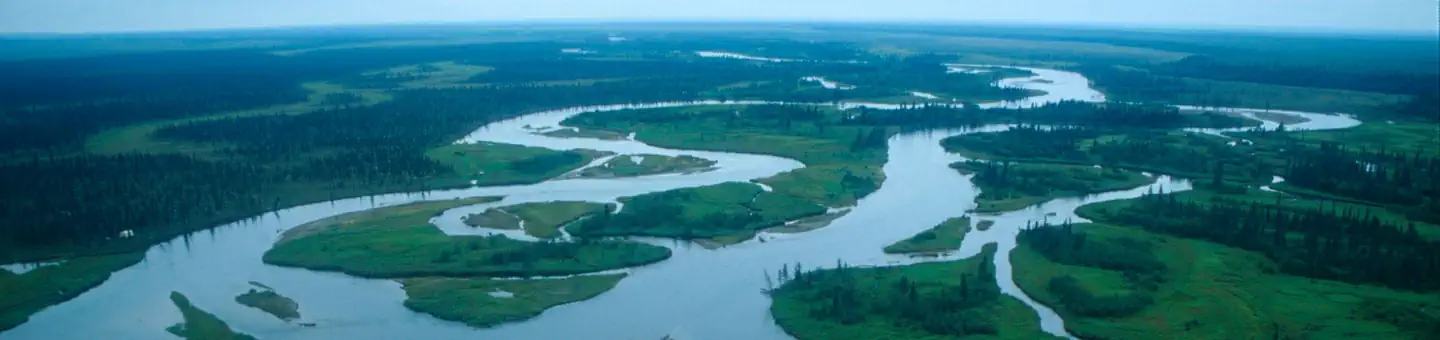
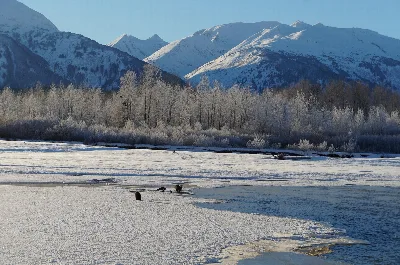
America's largest and northernmost refuge covers a huge swath of remote lands and waters in the northeast corner of Alaska, including the homelands of the Iñupiat people of the north coast and the Gwich'in people of interior Alaska and northwest Canada. It contains the largest area of designated Wilderness in the National Wildlife Refuge System and three of its rivers (Sheenjek, Ivishak, and Wind) are designated Wild and Scenic Rivers. Stretching 200 miles from the Arctic Ocean south over the Brooks Range and into the boreal forest of the Yukon River basin, this 19.64-million acre refuge encompasses five different ecological regions: coastal marine, coastal plain tundra, alpine tundra, forest-tundra transition, and boreal forest. These lands and waters are home to some of the most diverse and spectacular fish and wildlife in the arctic, from polar bears to caribou, Dall sheep, muskox, salmon-sized Dolly Varden char, and Arctic Grayling. Birds from all over the world come here to breed, feed, and rear their young. Conserving these populations and their habitats in their natural diversity is a purpose of the refuge.The Eisenhower administration established the 9-million-acre Arctic National Wildlife Range in 1960 to preserve unique wildlife, wilderness and recreational values. In 1980, the Alaska National Interest Lands Conservation Act (ANILCA) re-designated the range as part of the larger Arctic National Wildlife Refuge, with nearly 40 percent of the refuge designated as Wilderness.Two of the most active and influential proponents for creating a northern refuge were Olaus Murie, long-time Alaska biologist and director of The Wilderness Society, and his wife Mardy. While they worked toward establishment of the refuge, they also worked with Olaus’s partner at The Wilderness Society, Howard Zahniser, to enact new legislation that would eventually become the 1964 Wilderness Act.
The Arctic National Wildlife Refuge or Arctic Refuge is a national wildlife refuge in northeastern Alaska, United States, on traditional Iñupiaq and Gwich'in lands. The refuge covers an area of 19,286,722 acres (78,050.59 km2) in the Alaska North Slope region, with a northern coastline and vast inland forest, taiga, and tundra regions. ANWR is the largest national wildlife refuge in the country, slightly larger than the Yukon Delta National Wildlife Refuge. The refuge is administered from offices in Fairbanks. ANWR is home to a diverse range of endemic mammal species; notably, it is one of the few North American locations with all three endemic American bears, the polar bear, grizzly bear, and American black bear, each of which resides predominantly in its own ecological niche. Besides bears, other mammal species include moose, caribou, wolves, red and Arctic foxes, Canada lynx, wolverine, pine marten, American beaver, and North American river otter. Further inland, mountain goats may be seen near the slope. Hundreds of species of migratory birds visit the refuge yearly, and it is a vital, protected breeding location for them. Snow geese, eiders and snowy owls may be observed as well.
Source: Wikipedia — text licensed CC BY-SA 4.0. Verify alerts and operational details with the managing agency below.
Reviews
No reviews yet
Be the first to share your experience and help others plan their visit.