How to choose the right trail difficulty
Easy, moderate, hard, expert — the labels feel intuitive but hide important context. Here is how to read between them.

Trail difficulty ratings are a starting point, not a verdict. A "moderate" 8-mile hike with 3,000 feet of gain is functionally harder than a "hard" 4-mile hike with 1,500 feet of gain. Mileage, elevation, surface, and exposure matter more than the single-word tag.
Three numbers that matter more than the label
- Miles per 1,000 feet of gain. Under 2 is steep. Over 4 is gradual. Use this to translate between trail descriptions.
- Highest point. Anything over 10,000 feet adds altitude as a variable — plan for slower pace and earlier fatigue.
- Exposure. Trails above treeline or on ridgelines are much less forgiving in weather. Check the forecast.
Ignore any trail description that does not mention surface
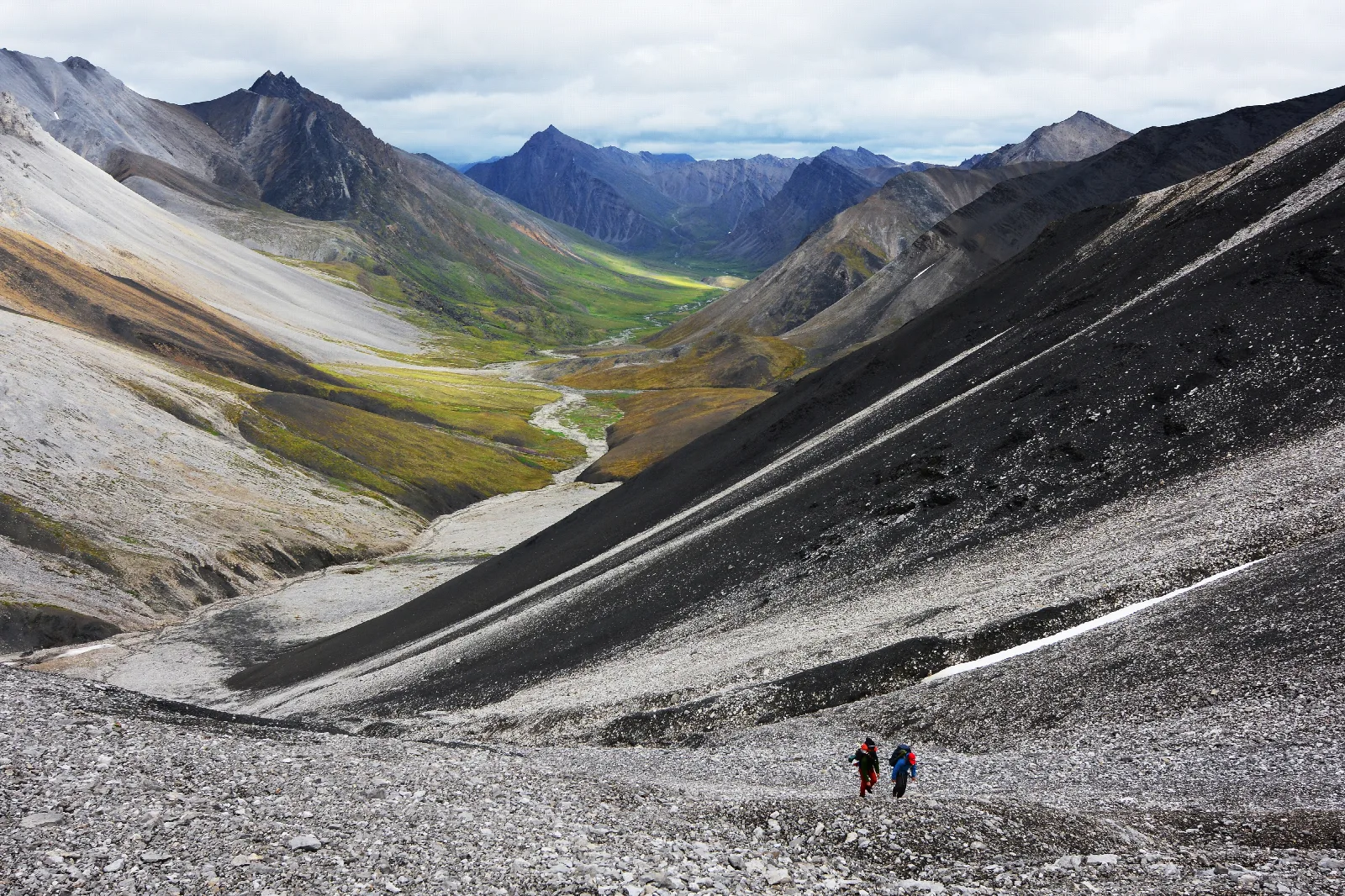
A 5-mile trail across slickrock is a different beast than 5 miles of packed dirt. Expect scrambles, loose scree, or sand to add 30–50% to your wall-clock time.