Dispersed
Mussel Fork Conservation Area
Bucklin, MO
Dispersed camping — confirm current rules
This is a dispersed-camping point on public land. Fire restrictions, road conditions, and access change seasonally. Verify with the managing agency before traveling.
Pricing
Check official pricing0.0
0 Reviews
Official sources & verification
Managed by Dispersed/Primitive
Source of truth
- Agency source page
The page our published rules and notes are derived from.
Verify by phone or mail
- Address:Bucklin, MO
About
Camping is permitted only in designated areas and is limited to 14 consecutive days in a 30-day period.
https://mdc.mo.gov/sites/default/files/2022-03/8422.pdf
This area fronts about two miles of Mussel Fork Creek.
The area's rolling topography is typical of this region of the state which is generally marked by southward draining, closely spaced, sub-parallel streams resulting in a general pattern of narrow, linear ridges and wooded stream valleys.
Historic conditions included plant communities that followed the elevational gradient with prairies occurring on the higher, drier sites blending with oak savannas on the ridges, and more densely forested areas along the steeper slopes. Low lands adjacent to Mussel Fork Creek were prone to flooding and included a complex pattern of wet prairie, marshes, oxbow lakes and river bank timber. These natural communities were home to a wide diversity of plants and animals.
Management emphasis on the area is aimed toward enhancing the processes that result in a diverse prairie-savanna-woodland mosaic. Woodlands are a type of wooded community characterized as having a fairly open canopy cover, a poorly developed understory, and a diverse herbaceous layer of forbs, grasses, and sedges. Woodlands contain fire-tolerant trees, often with wide spreading crowns, and a diverse ground flora that may include species such as little bluestem, wild rye, bottle brush grass, blazing star, coneflower, and a variety of sedges.
In northern Missouri, most woodland communities have been degraded due to extensive logging, fire suppression, overgrazing, and other disturbances. Woodland restoration practices used on the area include thinning and prescribed fire. Thinning removes some of the existing trees which provides a more open canopy and allows sunlight to reach the ground. Prescribed fire is essential to restoring a diverse woodland community as it suppresses small diameter woody vegetation, removes leaf and woody litter, and stimulates herbaceous plant growth resulting in a rich ground flora of forbs, grasses, and sedges.
Well managed woodlands provide excellent habitat for wildlife. Species commonly associated with woodlands include white-tailed deer, wild turkey, bobwhite quail, red-headed woodpecker, Coopers' hawk, Indiana bat, three-toed box turtle, and eastern gray treefrog.
Reviews
No reviews yet
Be the first to share your experience and help others plan their visit.
Amenities
Wifi
Accessible
Fire Rings
Cell Service
Campground Rules
- Campfires generally permitted — verify current fire restrictions before lighting
Within ~30 miles
Trails near Mussel Fork Conservation Area
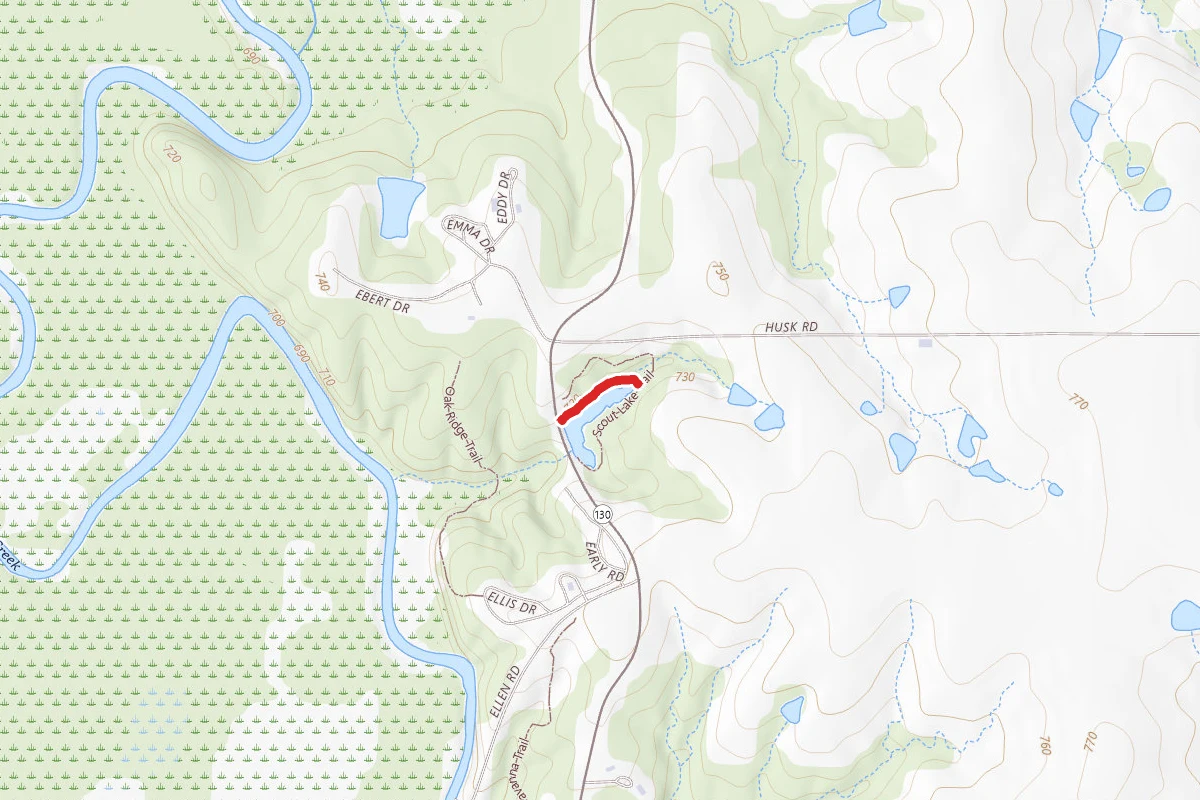
Scout Lake Trail
Missouri
0.2 mi23 ftgain
TrailDifficulty: Easy
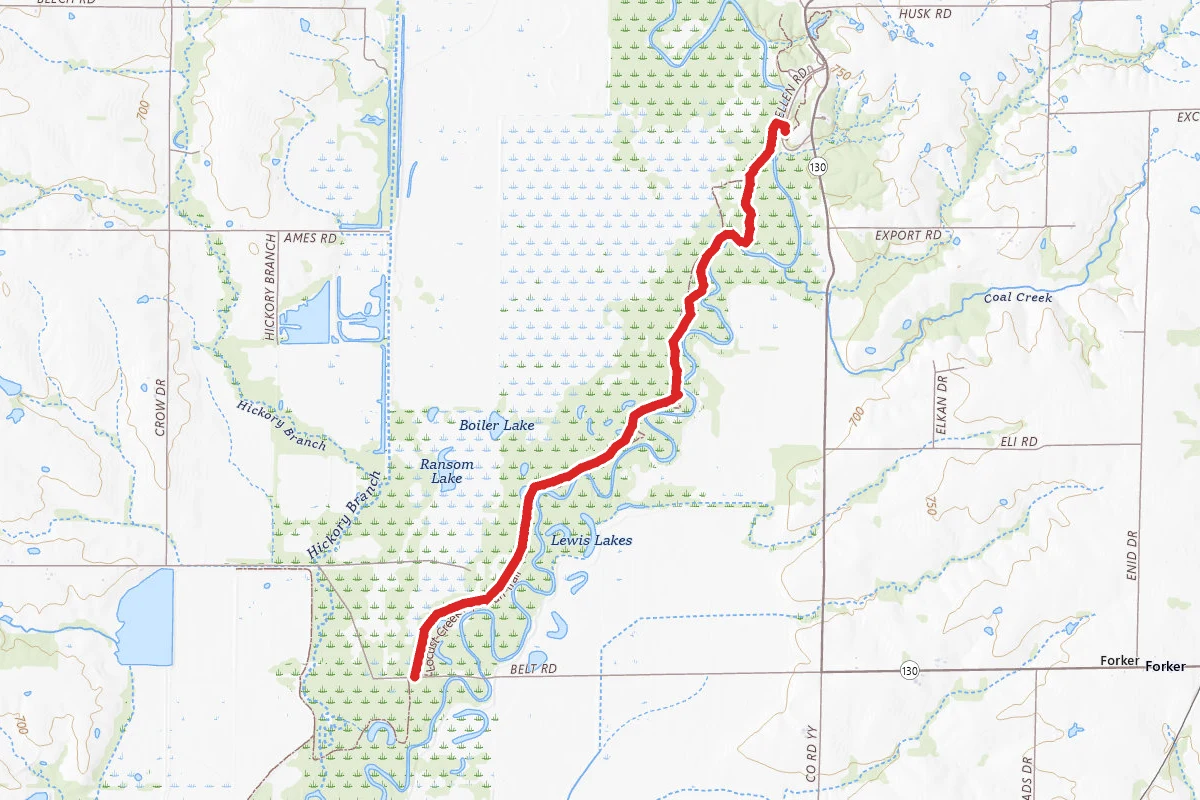
Locust Creek Riparian Trail
Missouri
7.1 mi591 ftgain
TrailDifficulty: Difficult
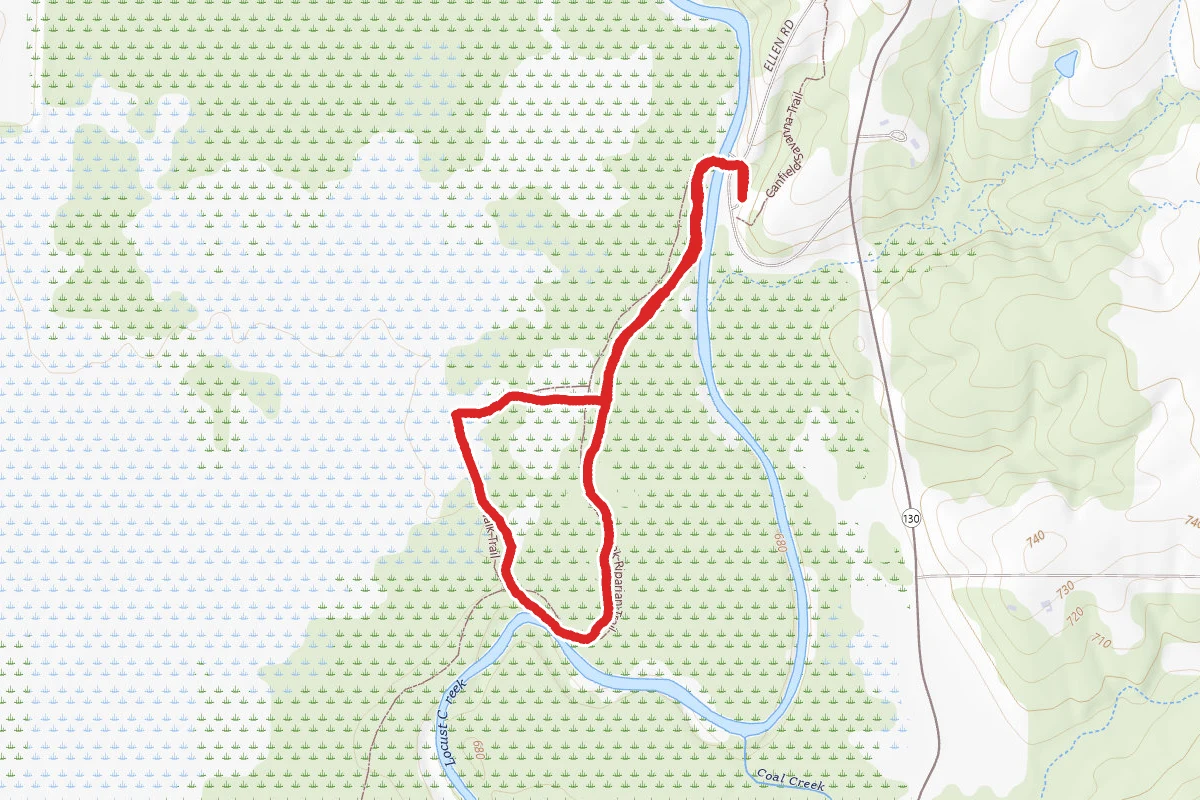
Locust Creek Boardwalk Trail
Missouri
1.6 mi184 ftgain
TrailDifficulty: Easy
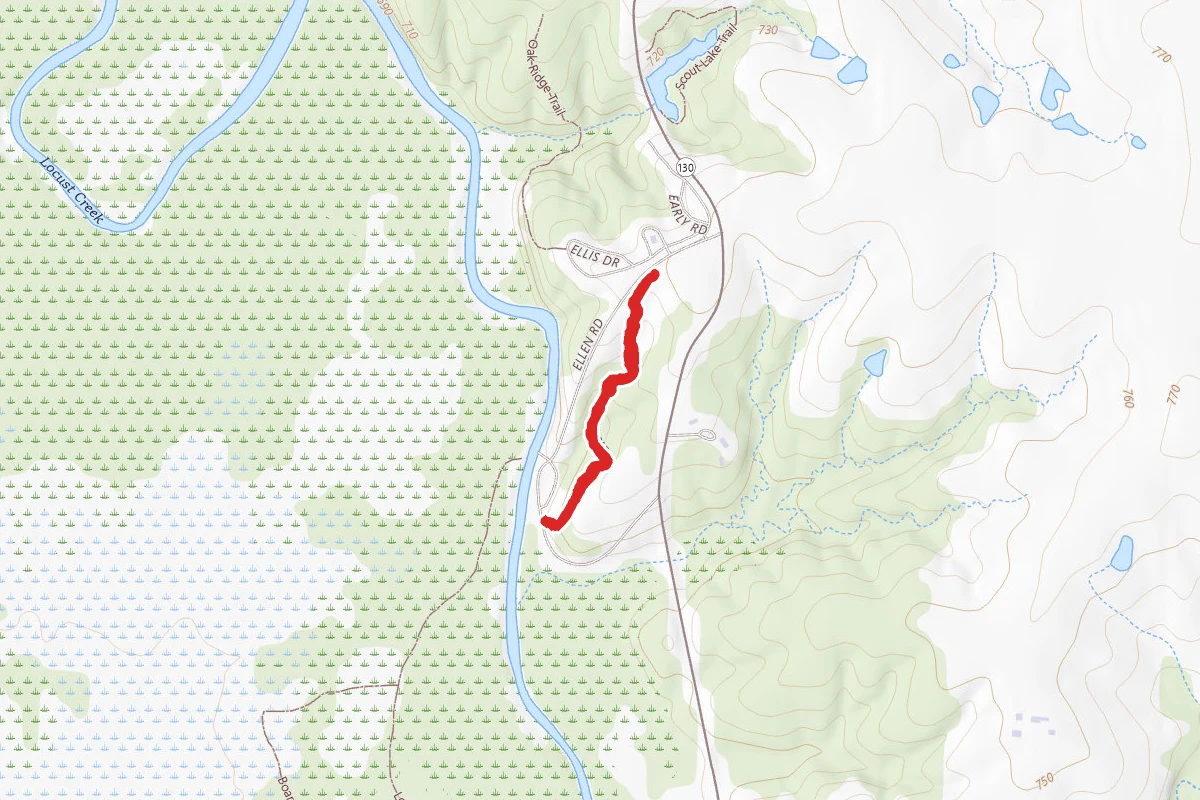
Canfield Savanna Trail
Missouri
0.7 mi62 ftgain
TrailDifficulty: Easy
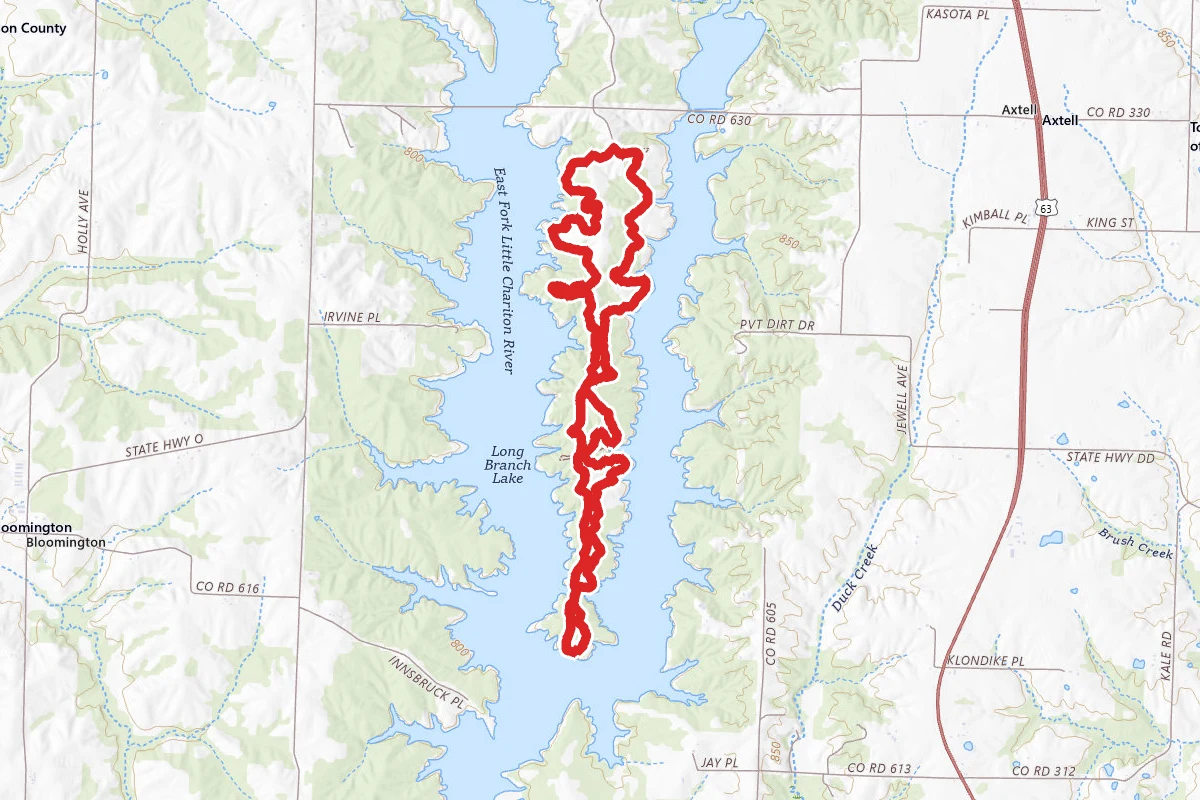
Bee Trace Trail
Missouri
7.3 mi869 ftgain
TrailDifficulty: Difficult
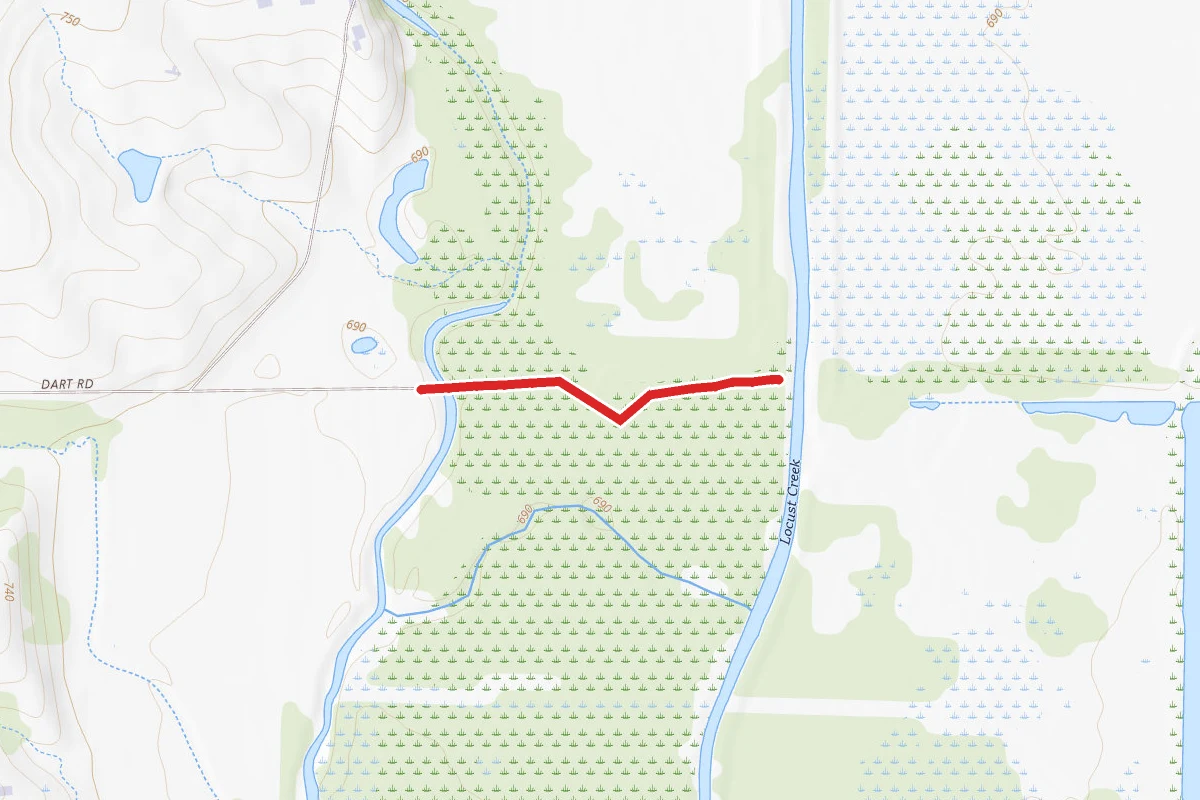
Locust Creek Covered Bridge Trail
Missouri
0.9 mi72 ftgain
TrailDifficulty: Easy
Nearby Campgrounds
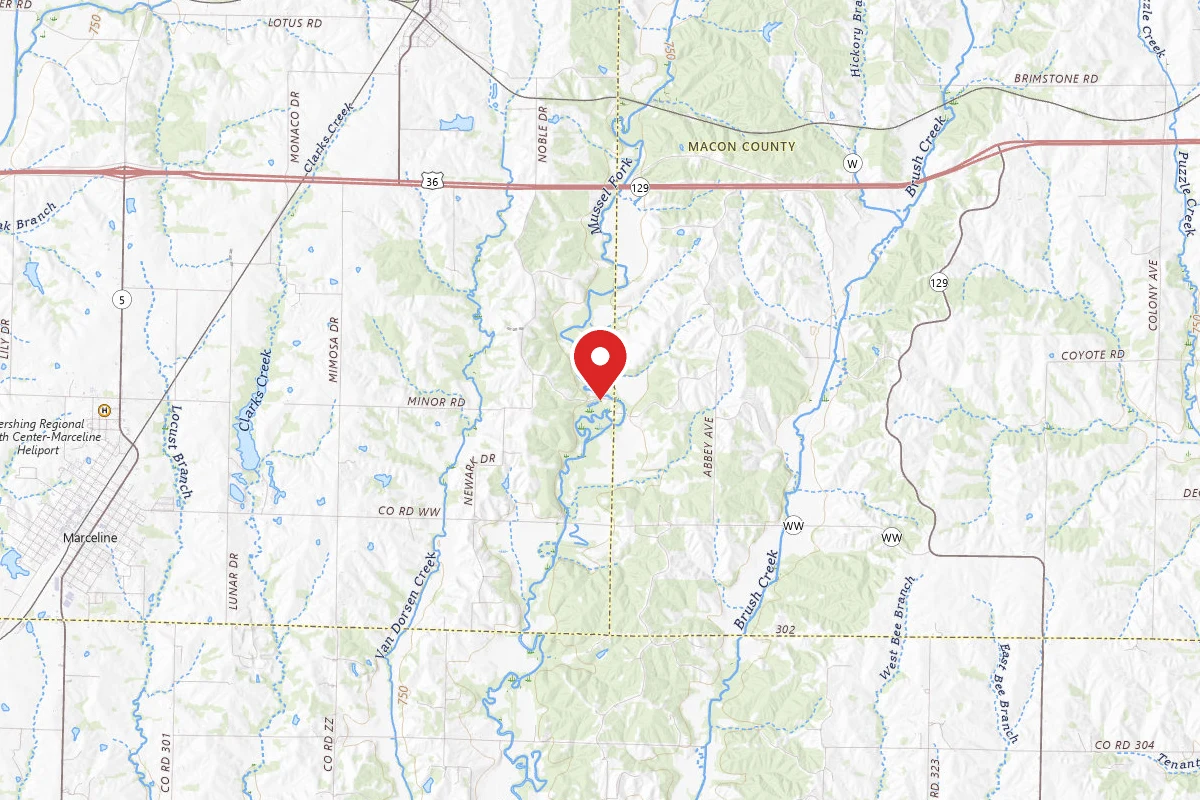
Mussel Fork Conservation Area Dispersed Camping
Pricing varies — check with the operator
Campground Dispersed
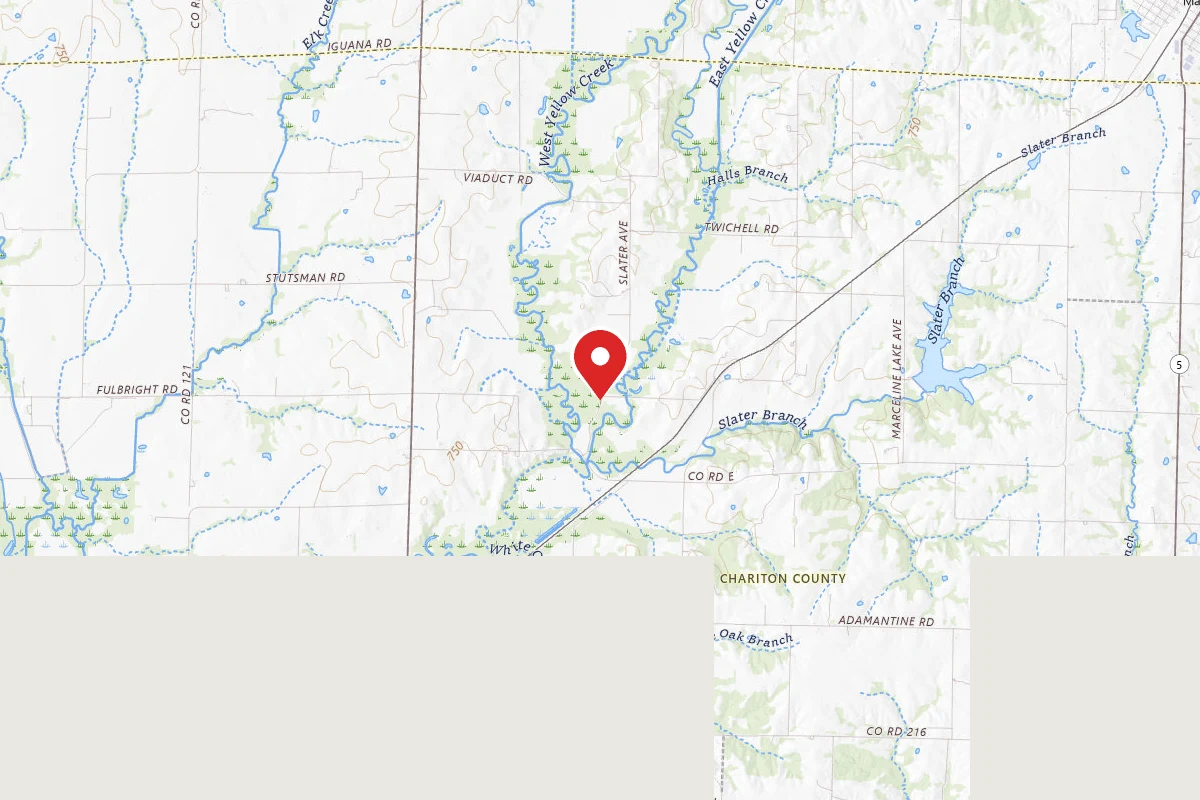
Nannie B. Floyd Memorial Conservation Area Dispersed Camping
Pricing varies — check with the operator
Campground Dispersed
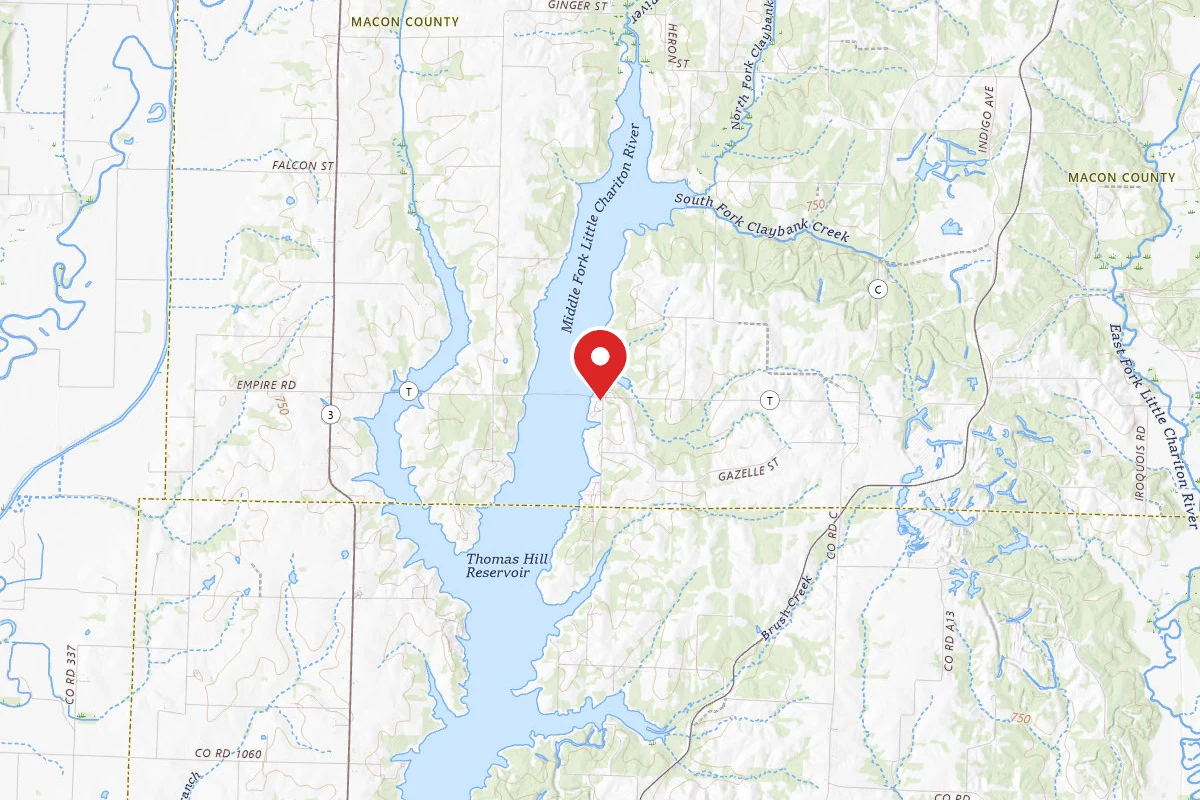
Thomas Hill Reservoir Conservation Area
Pricing varies — check with the operator
Campground State Park
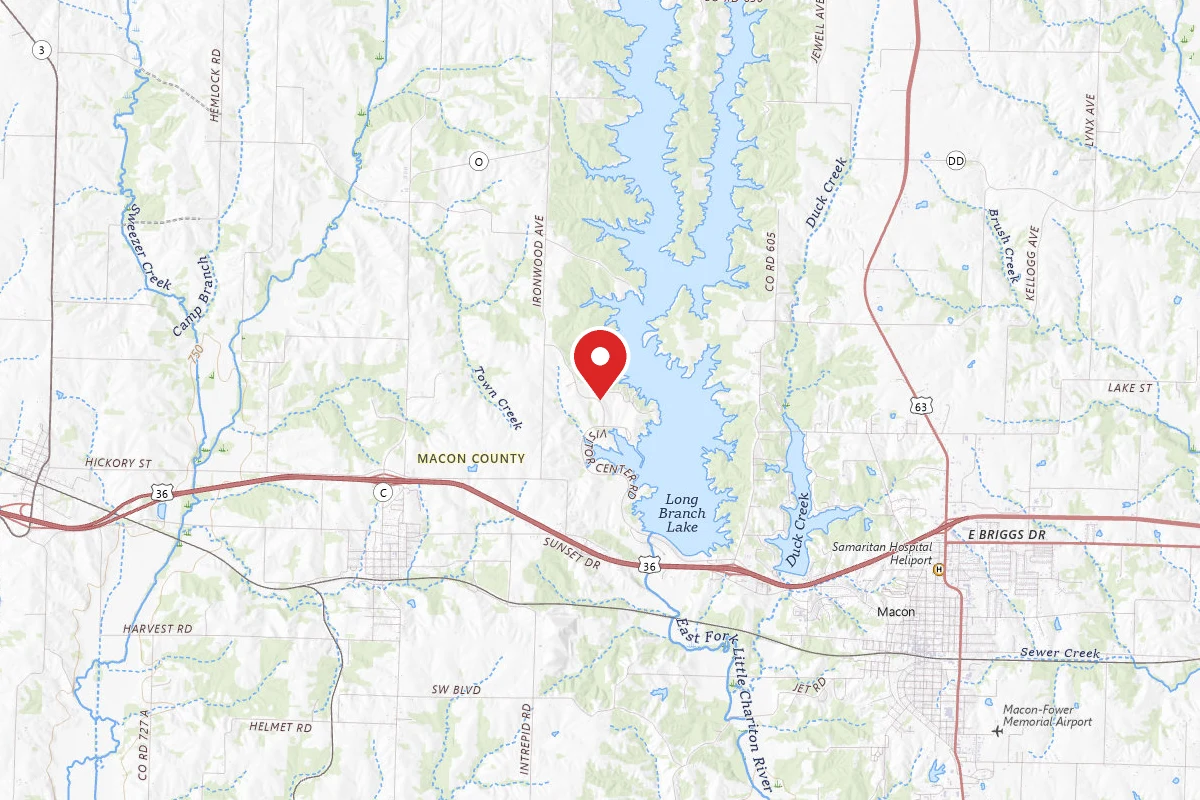
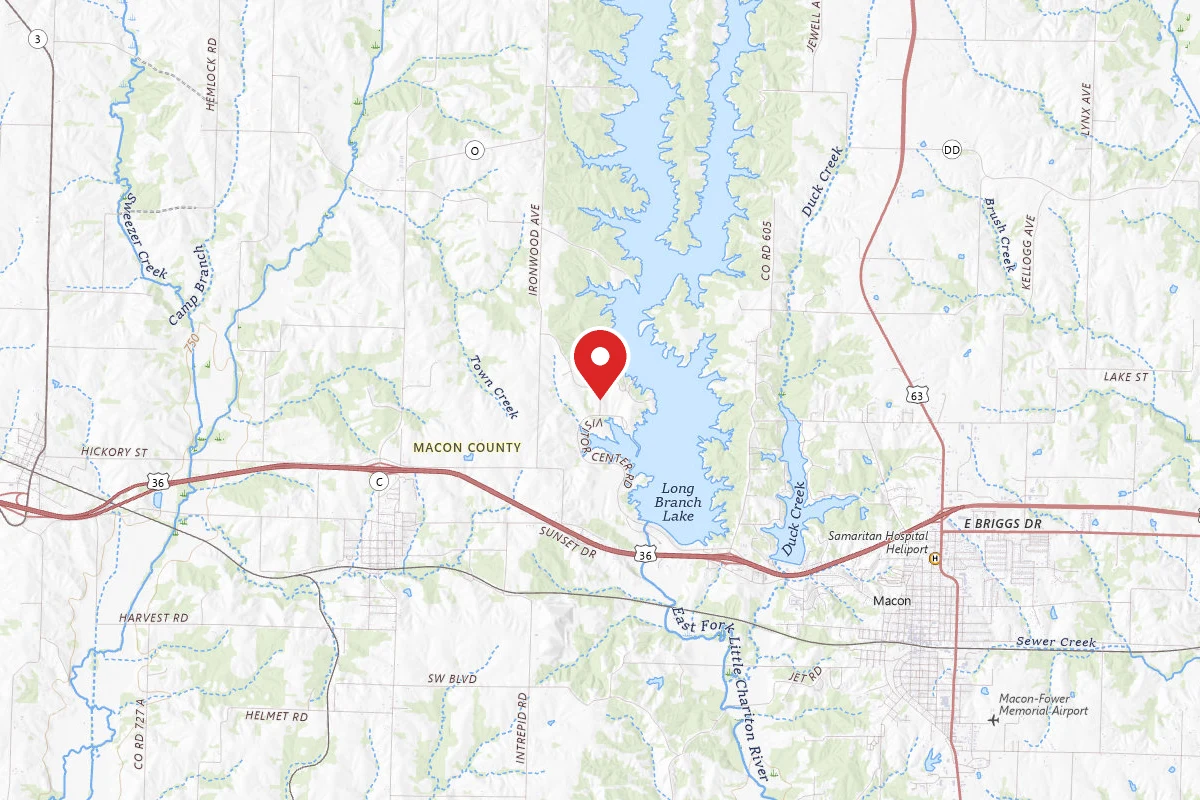
Bloomington
Pricing varies — check with the operator
Campground State Park
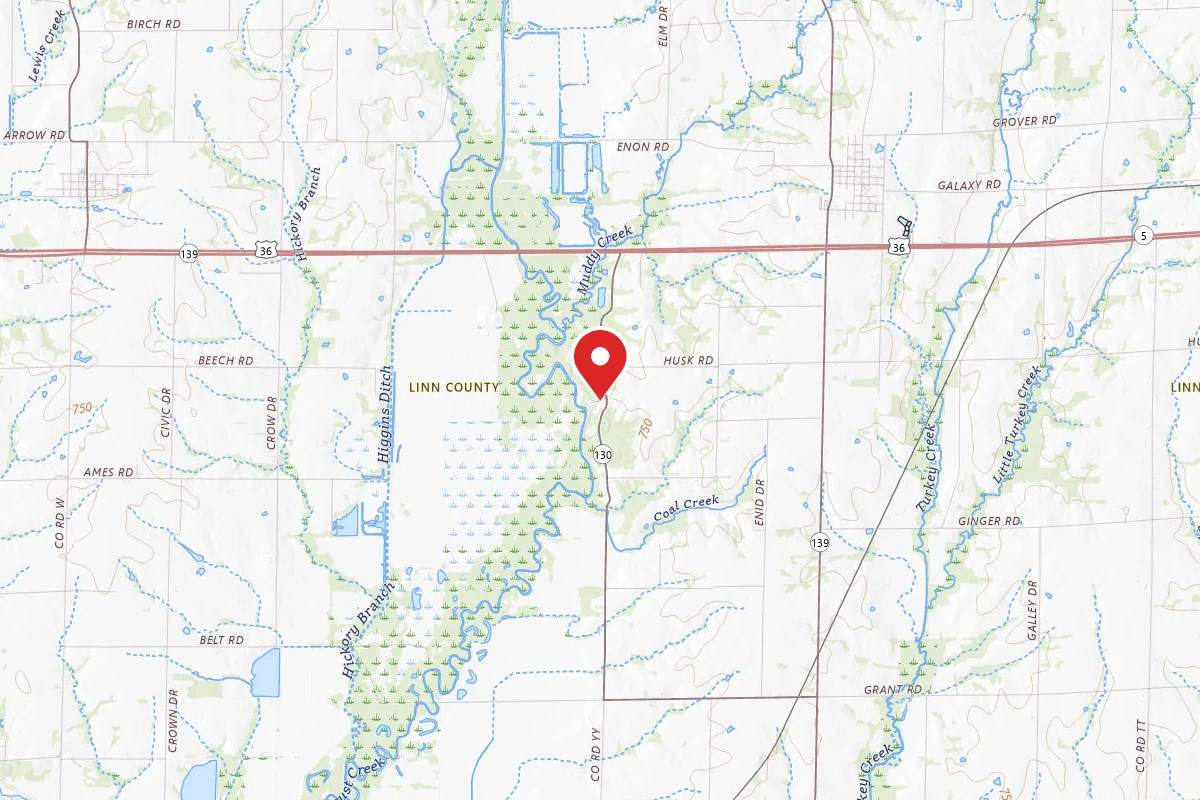
Spot an error in our data on Mussel Fork Conservation Area?